A Total Lunar Eclipse Is Happening Soon — Here’s How to Watch the Blood Moon
If you caught the total lunar eclipses on March 14 and Sept. 7 of 2025, you already know the thrill.
If you missed them — or you’re chasing better frames this time — Tuesday, March 3 brings the third total lunar eclipse in the past year over the contiguous United States.
Make the most of it. The next total lunar eclipse won’t arrive until Dec. 31, 2028, and that one will be much more difficult to see in the U.S. The next total lunar eclipse with good visibility won’t happen until June 25, 2029.
This is your last clean shot at a blood moon for a while.
What Is a Total Lunar Eclipse?
A total lunar eclipse occurs when the Earth passes directly between the Sun and the Moon, casting its full shadow — the umbra — across the entire lunar surface.
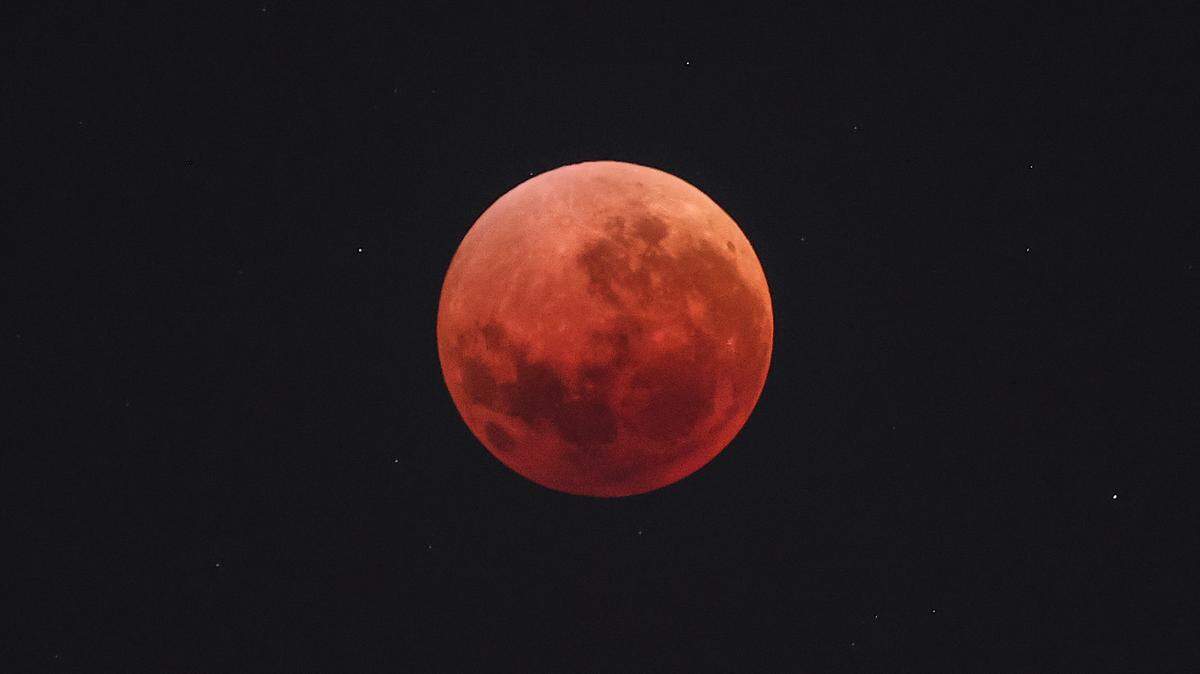
That’s what produces the signature reddish or coppery color known as the “blood moon.”
Two components of Earth’s shadow shape each phase of the event.
The penumbral shadow is the outer, lighter shadow where only a partial blocking of sunlight occurs. During penumbral phases, dimming is subtle — you may barely notice it visually at first, though it can register in longer photographic exposures.
The umbra is the inner, darker shadow where full blocking of sunlight takes place. Once the Moon contacts the umbra, a dark bite progressively sweeps across the lunar surface.
The blood moon color itself comes from sunlight being filtered through Earth’s atmosphere.
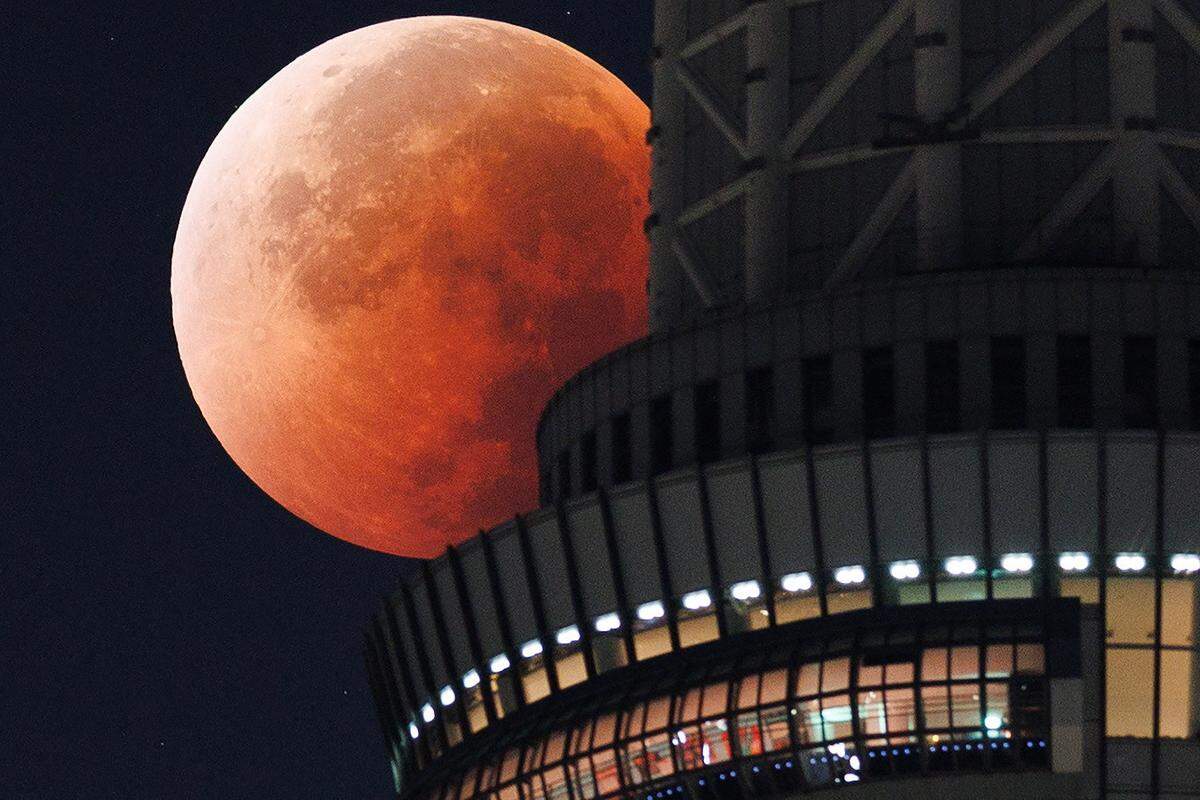
Colors with short wavelengths, such as blue and green, are scattered by the air. Colors with longer wavelengths, such as red and orange, continue through the atmosphere before shining onto the Moon.
That atmospheric filtering is what paints the lunar disk during totality.
Full Phase-By-Phase Timeline (All Times EST)
Total lunar eclipse phases occur in this order: Penumbral, Partial, Totality — then the phases reverse.
Penumbral eclipse begins at 3:43 a.m. EST and lasts 1 hour, 6 minutes.
This is where the Moon makes contact with the outer part of Earth’s shadow. You won’t see much happening at this time, but eventually the Moon will dim. For photographers, this is a good window to dial in your exposure settings and framing while the Moon is still near full brightness.
Initial partial eclipse begins at 4:49 a.m. EST and lasts 1 hour, 14 minutes.
This is where the Moon makes contact with Earth’s umbra, and more of the surface will turn dark. It’s also where the visual drama starts building — that unmistakable curved shadow of the Earth creeping across the lunar face.
Totality begins at 6:03 a.m. EST and lasts 59 minutes. The greatest eclipse occurs at 6:33 a.m. EST.
By then, the entire Moon’s surface will be covered by Earth’s deepest shadow. The Moon will appear a reddish color. The greatest eclipse marks the midpoint of totality, when the Moon sits deepest within the umbra — often producing the most vivid coloring and the moment most worth capturing.
Second partial eclipse begins at 7:02 a.m. EST and lasts 1 hour, 15 minutes.
Totality ends and the process reverses, with the umbra gradually retreating across the lunar surface.
Second penumbral eclipse occurs from 8:17 a.m. EST to 9:23 a.m. EST.
Once the penumbral eclipse ends, the full Moon will be fully illuminated by direct sunlight again.
Where Is the Total Lunar Eclipse Most Visible?
Visibility varies by location. In general, the further west you are, the more visible it will be. Eastern areas may see less, depending on timing and daylight.
For observers in the eastern U.S., note the timeline carefully.
Totality begins at 6:03 a.m. EST and ends at 7:02 a.m. EST, which means you’ll be racing against approaching dawn. The later phases — the second partial eclipse beginning at 7:02 a.m. EST and the final penumbral phase from 8:17 to 9:23 a.m. EST — will coincide with brightening skies for East Coast observers.
Western observers benefit from darker skies during the key phases, with the entire event playing out well before sunrise in Pacific and Mountain time zones.
If you have the flexibility to travel or choose a western vantage point, it will make a meaningful difference for both visual observation and photography.
Viewing and Gear Recommendations
Unlike a solar eclipse, you won’t need eye protection to see the total lunar eclipse. Your naked eyes are safe for the entire event.
The best way to view it is through binoculars, preferably ones marked 7x50 or 10x50.
The 7x50 configuration offers a wide, bright field of view that’s forgiving for handheld use, while 10x50 binoculars provide slightly more magnification with the same 50mm objective lens for solid light gathering.
Either spec will let you resolve the color gradients and shadow edge detail across the lunar surface far better than unaided eyes.
For those planning to photograph the blood moon with telescopes or telephoto lenses, the 59-minute totality window gives you solid working time to experiment with exposure bracketing and capture the subtle shift in hue between the start and greatest eclipse.
What Comes Next
A partial lunar eclipse will occur on Aug. 28 for those tracking the full 2025–2026 eclipse calendar. But for total lunar eclipses visible from the U.S., this is the final favorable opportunity for years.
The next total lunar eclipse arrives Dec. 31, 2028, but it’ll be much more difficult to see in the U.S. The next with good visibility: June 25, 2029.
If you’ve been building a collection of blood moon images across the three total lunar eclipses in the past year, March 3 is your closing chapter for quite some time. Set your alarms accordingly.
Production of this article included the use of AI. It was reviewed and edited by a team of content specialists.