
These Ancient Microbes Survived the Ice Age — Now the U.S. Military Wants Their Secrets
Production of this article included the use of AI. It was reviewed and edited by a team of content specialists.
Imagine something alive today that was already ancient when woolly mammoths still roamed the Earth.
Now imagine that it spent the last 40,000 years locked in frozen ground, dormant but not dead — just waiting.
That’s the stunning reality behind a discovery by U.S. Army scientists who have revived new species of microorganisms from deep within Alaskan permafrost. These organisms are so old they predate human civilization as we know it.
Even more remarkable: many of them are species that science has never seen before.
A Hidden World of New Species Under the Permafrost
Scientists from the U.S. Army Corps of Engineers’ Cold Regions Research and Engineering Laboratory (CRREL) have discovered 26 new species of microorganisms preserved in ancient permafrost in Alaska.
The findings were originally detailed in an announcement published by the American Society for Microbiology in August.
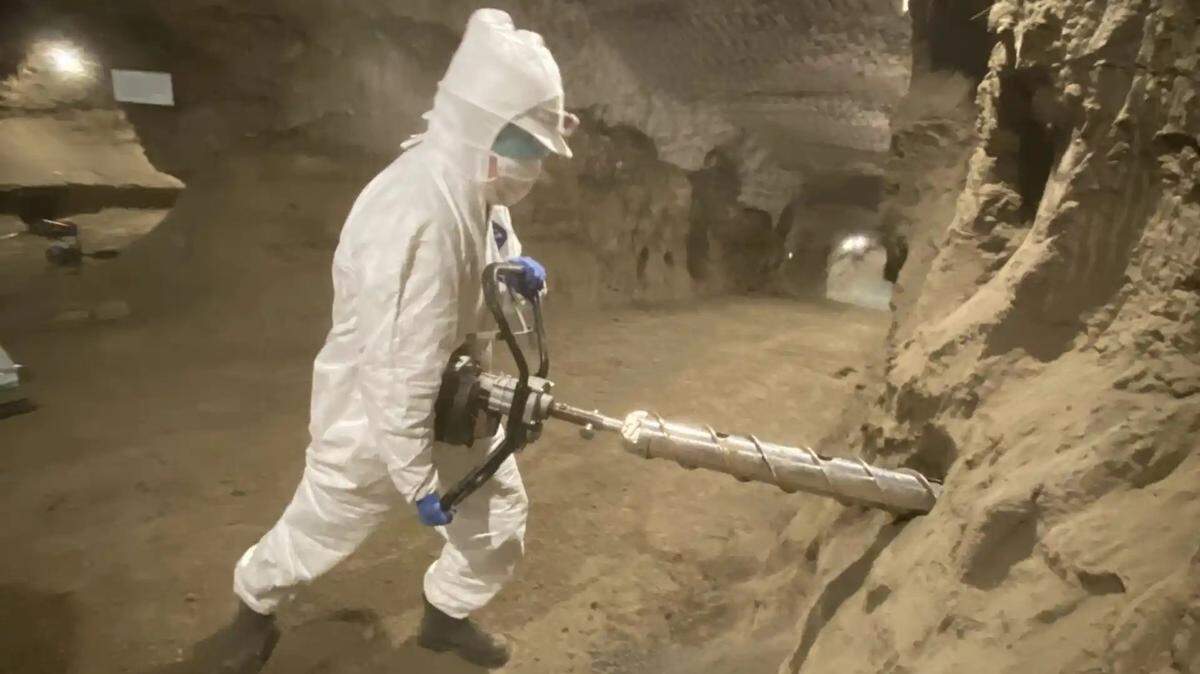
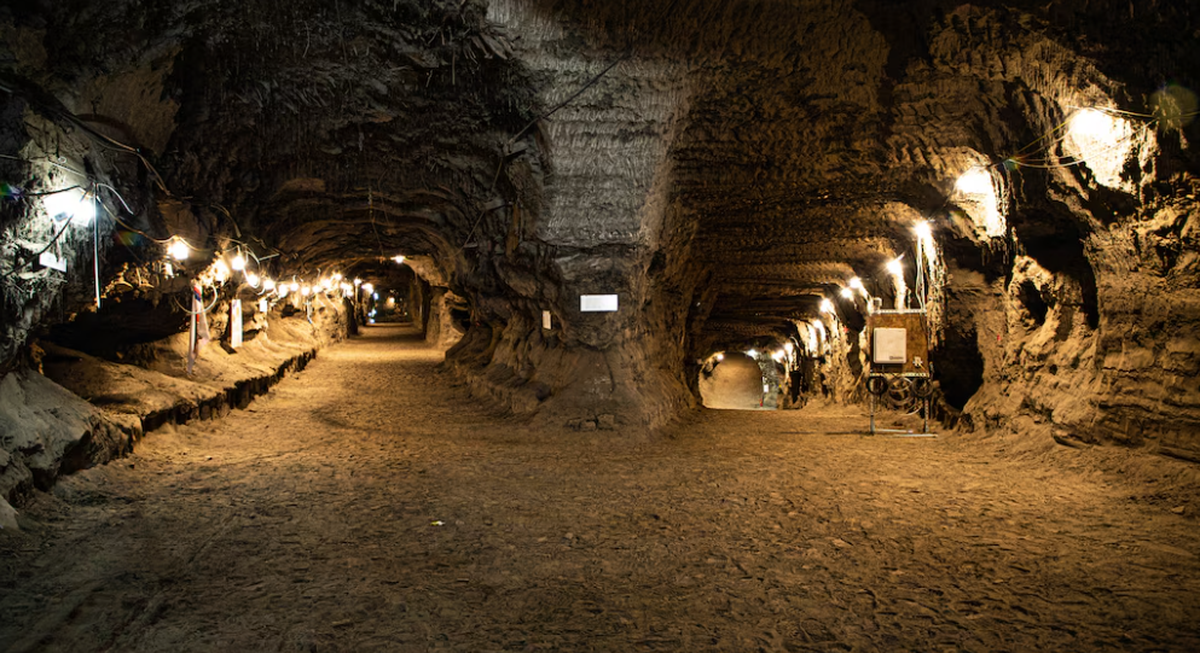
The microbes had been frozen and dormant for an estimated 40,000 years in CRREL’s Permafrost Tunnel Research Facility in Fox, Alaska.
After their long frozen slumber, the microbes were transported to and revived in CRREL’s soil microbiology laboratory in Hanover, New Hampshire, where researchers have been studying them to understand how they survived conditions that would destroy most living things.
“We are discovering new bacteria that have never been discovered before,” said Dr. Robyn Barbato, senior research microbiologist and leader of CRREL’s soil microbiology team, in a Feb. 11 press release.
“Do you remember being enchanted by the animals that Jack Hanna would bring on late night TV? It’s sort of like that. There are these organisms that we didn’t even know existed that have been locked in frozen ice or permafrost,” she added.
Just as the beloved wildlife expert would unveil creatures that left audiences wide-eyed and wondering how such things could exist, these scientists are pulling entirely unknown life forms out of ice that has been frozen since the last Ice Age — and bringing them back to life in a lab.
More Species Are Waiting to Be Discovered
So far, 52% of the bacteria researchers have encountered in permafrost tunnel samples have been new species.
That means more than half of the microbial life found in these frozen samples had never been identified, cataloged, or studied by anyone, anywhere, until now.
That number suggests the ancient permafrost is less like a graveyard and more like an untouched biological frontier — teeming with life forms that have been hidden from science for tens of thousands of years.
“We have every reason to believe that the more we look, the more new species we will find,” said Barbato. “It’s incredibly exciting to be working on the microbiological frontier, so to speak.”
The newly discovered species are classified as extremophiles, a term scientists use for organisms that can survive in harsh conditions such as extreme cold, low nutrients and limited oxygen.
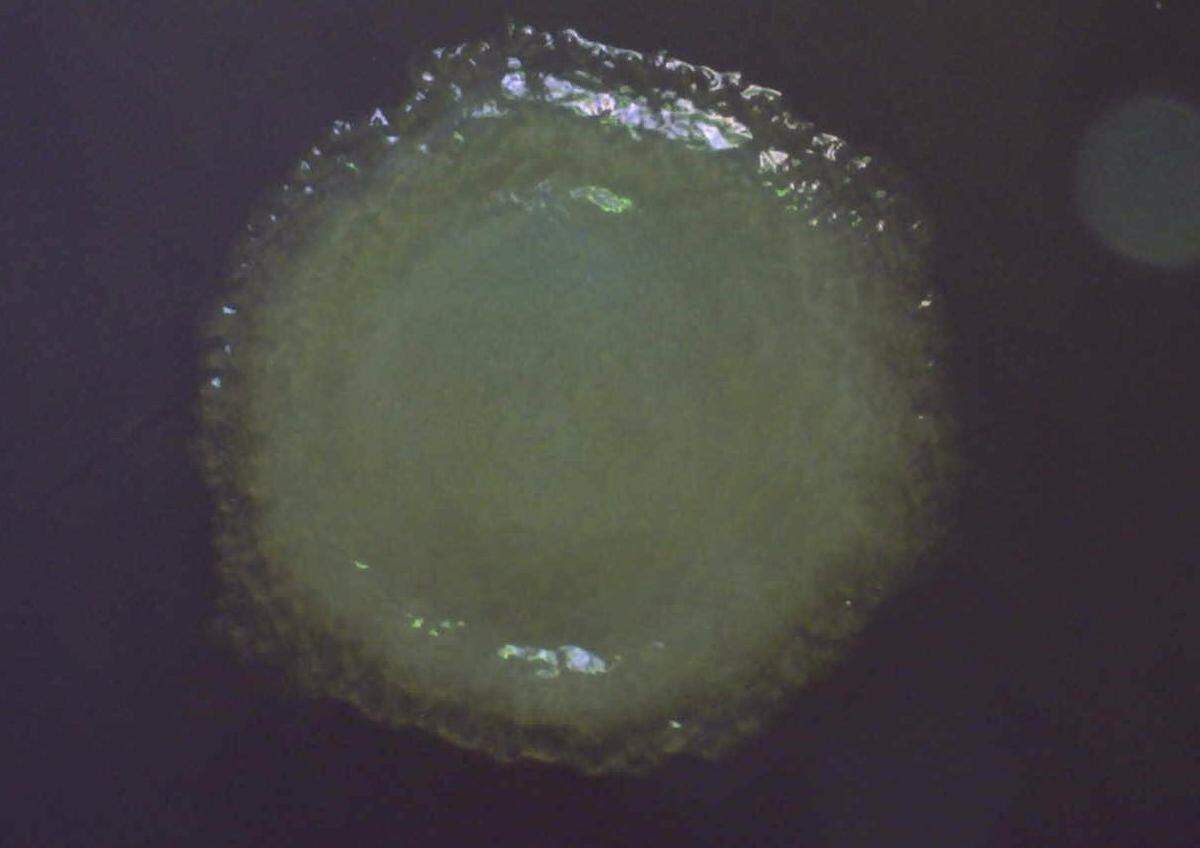
These microbes didn’t just endure being frozen — they remained viable after extremely long periods in a frozen, dormant state. 40,000 years of dormancy, and they could still be coaxed back to life.
The 26 new species will be added to CRREL’s Innovative, Collaborative, Exploratory Cold Regions Organism Library for Discovery in Biotechnology (ICE COLD) library, a growing catalog of cold-adapted organisms that researchers can study and reference.
Why the U.S. Military Cares About Ancient Bacteria
So why is the U.S. Army interested in microbes that have been asleep since before the pyramids were built? The answer lies in what these organisms can teach us about surviving the cold.
The discoveries are part of a Defense Advanced Research Projects Agency (DARPA) project called Ice Control for Cold Environments (ICE).
The project aims to leverage biological adaptations to cold to develop new technologies that help the U.S. military survive and thrive in extreme cold regions.
“These microbes have evolved to remain viable in sub-zero temperatures,” said Barbato. “We want to learn how they do it so that we can develop new biotechnologies that help the U.S. military operate in cold regions.”
The practical applications the researchers envision are striking. They want to identify the mechanisms these microbes use to survive being frozen and develop products that mimic those characteristics.
For example, developing a skin cream that protects troops from frostbite or a spray-on coating that prevents ice buildup from negatively impacting the performance of military vehicles and equipment.
Think about that for a moment. An ancient microorganism that figured out how to keep its cellular structures intact through 40,000 years of deep freeze could someday inspire a product that keeps a soldier’s skin from freezing on an Arctic patrol.
The Microbiological Frontier of Future Science
What makes this story so compelling isn’t just the science — it’s the sense of discovery.
In an age when it can feel like every corner of the planet has been mapped, photographed and cataloged, the idea that more than half of the bacteria lurking in Alaskan permafrost are species completely unknown to science is a powerful reminder of how much remains hidden.
These organisms survived the rise and fall of ice sheets, the extinction of megafauna and the entire arc of human history — all while sitting in frozen silence beneath the Alaskan ground.
Now, revived and studied in a New Hampshire laboratory, they could help unlock technologies that protect people operating in some of the harshest environments on Earth.
And the researchers believe they’ve only scratched the surface.
With 52% of encountered bacteria turning out to be new species, each new sample from the Permafrost Tunnel Research Facility in Fox, Alaska, could hold yet another organism that no human has ever laid eyes on.
It’s the kind of story worth sharing at the dinner table — or in the group chat. 40,000 years of patience, and these microbes might finally get their moment.