Scientists Just Discovered a ‘Dragon’ Millipede Species—And Caught It Mating on a Cave Wall
Production of this article included the use of AI. It was reviewed and edited by a team of content specialists.
Deep inside a limestone cave in northern Thailand, researchers witnessed something rarely seen: a creature that looks like it crawled out of a fantasy novel, scaling rock walls to find a mate. The animal—a millipede with jagged, wing-like spikes running down its body—turned out to be completely unknown to science.
Meet Desmoxytes chaofa, the princess dragon millipede. If you’re someone who loves learning about bizarre creatures before they hit mainstream nature documentaries, this one deserves your attention.
What It Is
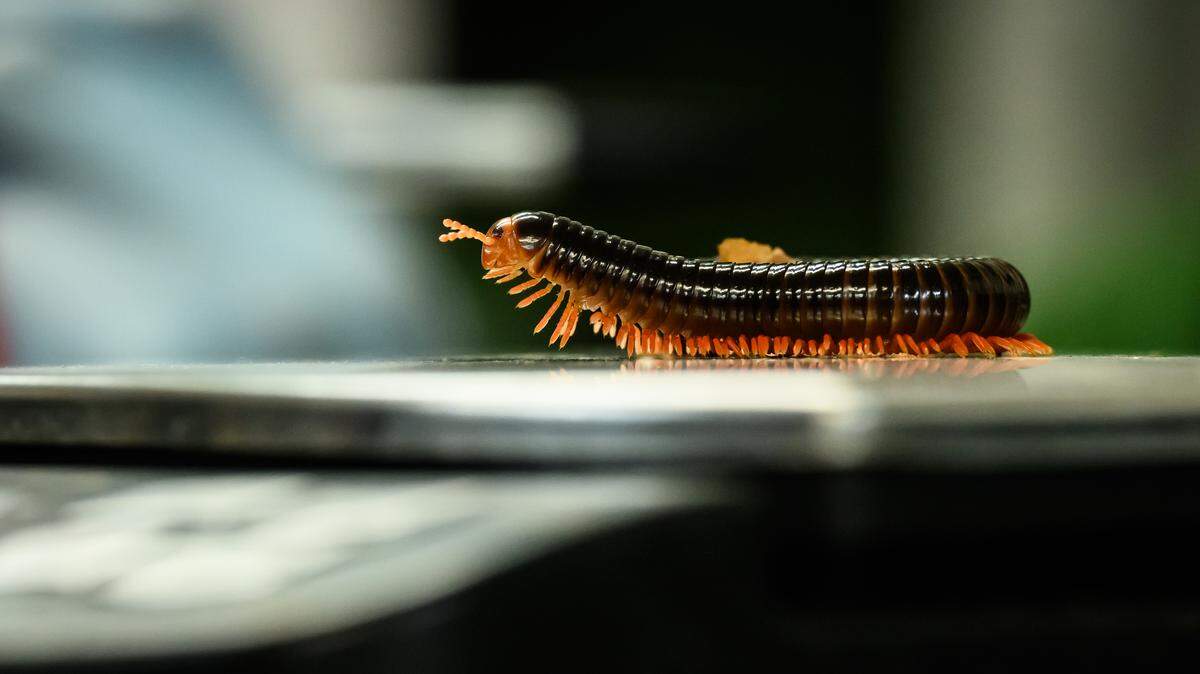
The princess dragon millipede belongs to a group called dragon millipedes, named for their spiky, armored appearance that evokes mythical reptiles. This newly identified species has about 20 body segments, grows to just over an inch long, and features multiple bumps along with paired “wing-like” spike structures on each segment.
Its legs are described as “long” in the scientific literature, and its antennae are “slender”—giving it an almost delicate appearance despite the aggressive-looking spines. The coloring runs dark brown, which serves a practical purpose: it allows the millipede to vanish against the humid, dark rock surfaces of its cave habitat.
“The rocky surfaces in this environment are covered with moisture-retaining mosses, while small herbaceous plants emerge from the crevices, possibly contributing to the overall damp microhabitat essential for the species’ survival,” researchers noted in their study in the peer-reviewed journal Tropical Natural History, published on Oct. 14, 2025.
How Scientists Found It
A team of researchers visited Pha Daeng Cave in 2024 as part of a project to survey wildlife “in unexplored areas of (Thailand), especially karst” rock habitats. Karst landscapes form when soluble rock like limestone dissolves over time, creating caves, sinkholes, and underground drainage systems—environments that often harbor species found nowhere else on Earth.
During fieldwork, the team climbed rock formations inside the cave and discovered dozens of unfamiliar millipedes clinging to walls and tucked into crevices. The creatures’ dark brown coloring helped them blend into the stone, but they were still visible enough for the trained eyes of visiting scientists to spot.
What made the discovery more compelling: researchers observed the millipedes actively mating and “moving along rock walls,” according to the study. Witnessing reproductive behavior in a newly discovered species provides valuable data about how these animals live—information that’s often impossible to gather from preserved specimens alone.
The princess dragon millipede wasn’t the only find from this expedition. During the same survey, the research team—which included Ruttapon Srisonchai, Khanet Srikampha, Theemaporn Benchapong and Somsak Panha—discovered a second new dragon millipede species. This one has pink legs, adding another visually striking creature to the growing catalog of Thai cave biodiversity.
Why It Matters
New species discoveries happen regularly in remote corners of the world, but this one carries extra weight for a few reasons.
First, the princess dragon millipede appears to have an extremely limited range. So far, scientists have only found it at Pha Daeng Cave and “a few nearby locations” in Mae Hong Son Province in northwestern Thailand. Species with such restricted habitats face heightened vulnerability to environmental changes, habitat destruction, or even increased human visitation to cave systems.
Second, the genetic analysis revealed significant divergence from related millipedes—at least 10% genetic difference from its closest relatives. That level of divergence suggests this lineage has been evolving separately for a considerable time, making it a distinct branch on the millipede family tree rather than a minor regional variant.
The research team identified the species based on its coloring, body proportions, genitalia, and other subtle physical features, then confirmed their findings with DNA analysis.
The species name “chaofa” comes from a Thai word signifying a royal princess of the Thai monarchy. Researchers chose it to honor Her Royal Highness Princess Maha Chakri Sirindhorn of Thailand, who is “renowned for her dedication to biodiversity research and environmental conservation.”
Naming species after conservation advocates or royalty who support scientific work is a common practice in taxonomy. It acknowledges individuals who help make biodiversity research possible, whether through funding, policy support, or raising public awareness.