
It appears that QR code menus, a creation of the pandemic, are here to stay
No one, I dare say, will argue that the pandemic has transformed the texture and rhythm of our lives. And some changes I most definitely want to keep, particularly those that involve quality of life issues. An appreciation for nature in my backyard, for instance. A focus on what truly matters to me and not others. The effort to keep in touch with friends and family.
There is, however, one change that I haven’t made peace with just yet. Not that I have any control over it. Not that it truly matters, considering the deaths and despair COVID-19 has inflicted on society. Nevertheless, I’m encountering it so regularly that it’s impossible not to have an opinion on it.
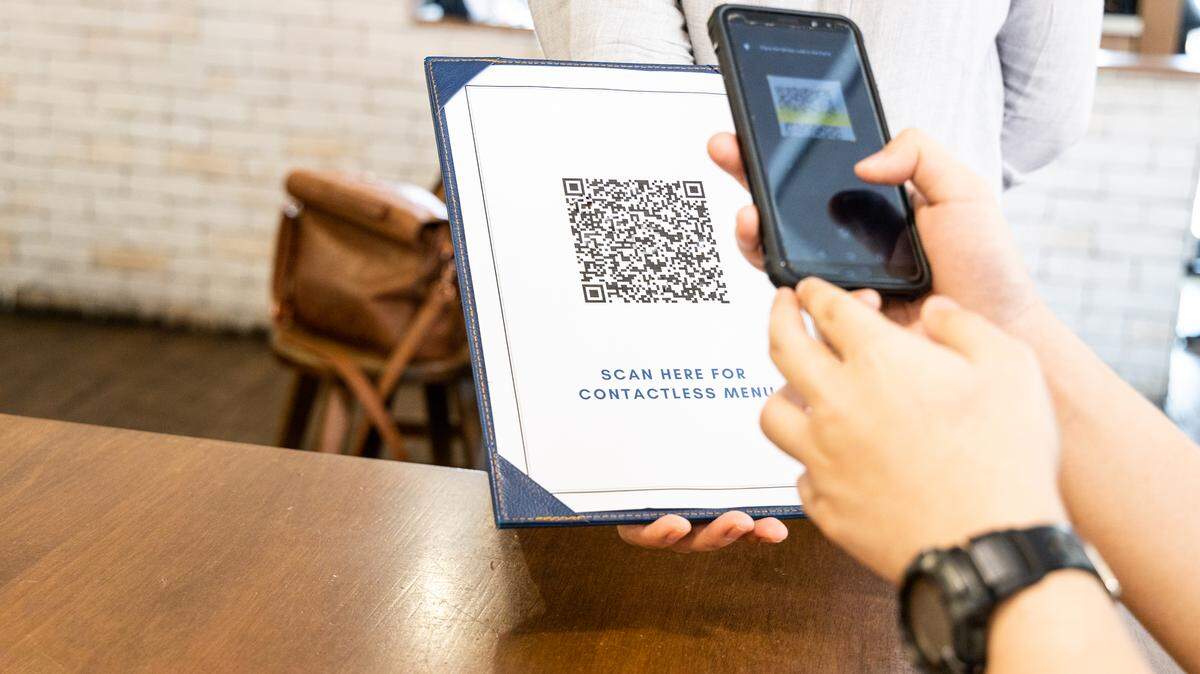
If you are venturing into the world of tips and tablecloths, as I am, you might understand my reluctance. Many of the restaurants I’ve returned to have replaced their printed menus with an increasingly ubiquitous QR code.
Some readers — which is to say, people of a certain age — may have no clue what I’m writing about. Not me. I scanned my first restaurant QR code long before the pandemic hit. Like so much of my introduction to technology, it arrived in the presence of my grown children, when we dined at an Atlanta-area restaurant where the median age was no more than 25. (Obviously, The Hubby and I bumped that number up a few notches.) The eatery was very hip and loud and pricey.
And paperless.
“How come they haven’t brought out the menus?” I asked, after a bit.
Several pairs of judgmental eyes regarded me with alarm. One grandchild took pity on me and kindly instructed me in the fine art of hovering your phone’s camera over the code. I’ve been scanning QR codes ever since.
Back then QR code reading was a choice that made me feel very 21st century. Now, in restaurants at least, it feels annoying. Like mosquitoes after a summer thunderstorm, QR codes have turned up everywhere: taped on a table, framed on the wall, stuck to the entrance door.
One waiter told me management had switched over for fear that customers would object to potentially germy surfaces, but we now know that the chances of getting COVID-19 from a contaminated counter or paper are minuscule. Still, it appears that QR code menus are here to stay.
The reasons are many. Online menus are cheaper and easier to edit when the kitchen has run out of a particular dish or wants to add a seasonal special. In addition to flexibility and the saving of trees, online menus mean that the staff has one less thing to hand out, retrieve and clean. With hospitality employees in short supply, this is an obvious advantage.
So, yes, those squiggly marks in a box appear to be a win-win for the struggling industry, and in these times, restaurants deserve such a gain. Yet, for some convoluted reason, this forced “modernization” doesn’t sit right with me. At the risk of sounding like an insufferable Luddite, I admit that I miss those old-fashioned leather-bound menus, even the plastic laminated ones. I miss the separate wine list (though I rarely ordered from it) and the dessert offerings formally printed on cardstock paper.
Those details made dining out a special occasion, a break from mundane home meals. At a restaurant table, conversation is savored, and consumption is as much social as gastronomical. Somehow whipping out a phone kills the vibe.
I do more than enough scrolling and clicking, tapping and swiping in my everyday life. All of us do. We need different when we go out to eat — especially if we’re generous tippers.
Ana Veciana-Suarez writes about family and social issues. Email her at avecianasuarez@gmail.com or visit her website anavecianasuarez.com. Follow @AnaVeciana.