Last summer, a storm knocked out power in my neighborhood for two days. By the second night, my fridge was sweating harder than I was, and my phone was clinging to 3% battery. That’s when I first borrowed a friend’s portable solar generator, and honestly, it saved me from a miserable weekend.
Power outages aren’t rare. About 80% of major U.S. outages are caused by weather-related events. When storms roll in, having backup power can be a game-changer.
If you’ve been eyeing a portable solar generator or daydreaming about charging your gear off-grid, you’re in the right place. I’ll walk you through how these gadgets work, where they’re awesome (and where they fall short), and what to check before you spend a dime.
Let’s dive in.
Key Takeaways
- Basics: A solar generator is a battery + inverter + solar panels combo that stores sunlight and converts it into usable power.
- Versatility: These portable power stations can charge phones, laptops, or even mini-fridges—great for trips or emergencies.
- Limits: Even high-capacity units aren’t meant for whole-home backup or running big appliances for long periods.
- Convenience: With minimal maintenance and quiet operation, they’re a cleaner alternative to noisy, fuel-hungry gas generators.
- Planning: Matching capacity to your energy needs and pre-charging before storms or outings makes all the difference.
What Exactly Is a Solar Generator?
Think of a solar generator as a portable power station on steroids. It’s not some magical sun-powered box that runs forever. Instead, it’s a simple system made up of three main parts:
- Solar panels – these soak up sunlight and convert it into electricity.
- Battery – stores that electricity so you can use it later.
- Inverter – changes the stored electricity into AC power (that’s the kind your home outlets use).
When you hear terms like portable solar generator or portable power station, it’s basically the same thing, just different names floating around.
And here’s one important detail: most quality units use something called a pure sine wave inverter. Sounds fancy, but all it means is the electricity comes out nice and smooth, so it is safe for your sensitive stuff like laptops, phones, or CPAP machines.
A solar generator is just a clean, quiet way to store and use solar energy wherever you need it.
How Solar Generators Work
Alright, let’s keep this simple. Here’s the play-by-play of what happens when you fire up a solar generator:
- The solar panels collect sunlight. They turn that sunshine into electricity using photovoltaic cells.
- The battery stores the electricity. Think of it like a giant power bank waiting for you to plug in.
- The inverter converts the stored power. It changes the battery’s DC electricity into AC power, the same kind your wall outlets provide.
- You plug in your devices and go. Phones, laptops, lights, and even a mini-fridge can get juice this way.

When I first used one during that storm outage, I was surprised how easy it was. Plug in the solar panels, direct them at the sun, and watch the battery fill up.
Just remember: solar generators don’t create energy at night. They only store what the panels collect during the day. So if it’s cloudy or dark, you’re running on whatever’s already in the battery.
In short, solar generators aren’t magic, but they’re a straightforward, clean energy solution when you need a reliable power source off-grid or during a power outage.
Where Solar Generators Shine (And Where They Don’t)
Solar generators are awesome in a lot of situations, but they’re not perfect. Here’s where they crush it and where you might hit some limits:
Where They Shine
- Outdoor adventures: Camping, tailgating, or road trips where you don’t want to mess with gas or noise.
- Small home backup: Keeping phones charged and lights on during a short power outage.
- Clean energy choice: No fumes, no loud engine, just quiet, renewable power.
- Low maintenance: No oil changes or spark plugs like gas generators.
Where They Don’t
- Whole-home backup: Even a high-capacity solar generator can’t run your central AC or all your appliances at once.
- Cloudy weather or long nights: If the sun isn’t out, you’re limited to what’s already stored.
- Slow charging: Solar panels take time, so you’ll want to pre-charge if a storm’s coming.
- Price: High-quality portable solar setups aren’t cheap compared to some gas generators.
Solar generators are fantastic for backup power and smaller energy needs. Just don’t expect them to keep your entire house running for days.
What Can They Actually Power?
So, what can a solar generator really handle? Here’s the honest rundown:
Everyday Devices They Handle Well
- Smartphones, tablets, and laptops
- LED lights or small lamps
- CPAP machines or small medical devices
- Mini-fridges or portable coolers
- Cameras and drone batteries
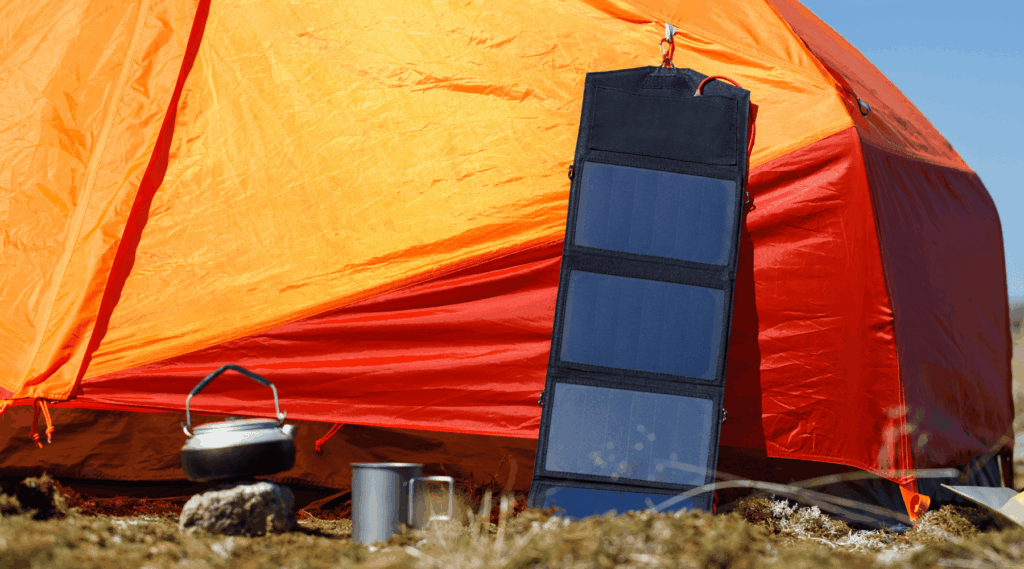
I used mine to keep a fan running through a humid camping trip and still had enough juice to charge two phones. It felt like having a tiny power plant in my backpack.
What They Won’t Run
- Whole-home systems or central air conditioning (whole-home setups need much more continuous power)
- Electric ovens or dryers
- High-wattage tools for long periods
The takeaway: A portable solar generator is perfect for small appliances, backup power during a power outage, or outdoor adventures. Just don’t expect it to keep every big appliance in your home humming.
Key Features to Look For
If you’re shopping for a portable solar generator, a few specs can make or break your experience:
Battery Capacity & Wattage
This tells you how much juice the unit can store and how powerful it is. Bigger capacity means it’s able to run more devices or run them longer. Match this to your energy needs. Charging phones is easy; running a space heater isn’t.
Ports and Outlets
Check for AC power outlets, USB ports, and even DC car-style plugs. The more options, the more flexible your power supply.
Pure Sine Wave Inverter
A pure sine wave inverter keeps the electricity safe for sensitive electronics like laptops or medical gear. Cheap models without this can cause issues.
Portability and Weight
If you’re lugging it on outdoor adventures, weight matters. Look for built-in handles or wheels.
Price and Brand
You don’t have to break the bank, but don’t go bottom-of-the-barrel either. Reputable names like Goal Zero have a solid track record for quality.
Pro tip: If you’re new to solar power, start small, maybe with a mid-sized power station, before investing in a monster setup.
Tips for Getting the Most Out of a Portable Solar Generator
Want your portable solar generator to really pull its weight? Here are some easy wins:
1. Pre-Charge Before You Need It
Don’t wait for a storm to hit. Plug it into the wall or start soaking up solar energy ahead of time so you’re ready.
2. Position Your Solar Panels Smartly
Angle your solar panels toward direct sunlight. Even small adjustments during the day can improve charging speed.
3. Use Efficient Devices
LED lights, low-wattage fans, and efficient chargers stretch your energy supply further.
4. Pair With Extra Panels or Batteries
If you’re planning a longer trip or prepping for a big power outage, extra capacity solar panels or batteries can give you a serious boost.
5. Don’t Rely on It Alone for Whole-Home Backup
Use your solar generator as part of a bigger backup power plan, especially if you need continuous power for critical appliances.
I learned the hard way on my camping trip: I didn’t adjust my panels, and my battery drained fast. A little planning saves a lot of frustration.
Solar Generators vs. Other Power Options
| SOLAR GENERATORS | GAS GENERATORS | BATTERY POWER STATIONS | |
|---|---|---|---|
| NOISE | Silent or very quiet | Loud | Silent |
| EMISSIONS | Zero (clean energy) | Fumes and exhaust | Zero |
| FUEL SOURCE | Free sunlight via solar panels | Gasoline (ongoing cost) | Needs wall/car charge only |
| MAINTENANCE | Minimal-keep panels clean | Oil changes, fuel stabilizer, upkeep | Minimal |
| RUNTIME | Unlimited in sun, limited at night | Continuous while fueled | Limited-no way to recharge off-grid |
| PORTABILITY | Light to moderate, portable solar setups | Moderate to heavy | Light |
| BEST FOR | Outdoor trips, backup power, clean energy | Whole-home or high- demand appliances | Short-term power for small devices |
When you’re choosing backup power, it’s smart to compare a solar generator to other choices:
Solar Generators vs. Gas Generators
- Noise & Fumes: Gas generators are loud and give off exhaust. Solar models are whisper-quiet and produce clean energy.
- Maintenance: Gas units need oil changes and fuel storage. Solar generators? Just keep the solar panels clean and charged.
- Fuel Costs: Gas burns money over time. Sunlight’s free.
Solar Generators vs. Basic Battery Power Stations
- Charging Options: A standard power station plugs into the wall or your car, but it can’t recharge itself without a power source. A portable solar generator can keep going as long as there’s sun.
- Longevity: On long trips or during extended power outages, solar keeps you topped off while a non-solar battery eventually dies.
In short, solar power isn’t always the cheapest up front, but for quieter, cleaner backup power, it’s a solid bet.
Conclusion
So, do solar generators work? Absolutely, but with some caveats. They’re not miracle machines that’ll run your whole home, but they’re fantastic for backup power, outdoor adventures, or keeping essential devices charged during a power outage.
If you’re looking for a quiet, clean power source that won’t choke you with fumes like gas generators, a portable solar generator is worth considering. Just match the unit’s energy needs to what you’ll actually use, and remember: sunlight isn’t always predictable, so pre-charge when you can.
I can tell you from experience, borrowing one during that big storm saved my weekend and kept my fridge from becoming a science experiment. If you’ve been curious about trying one, start small, test it out, and see how much more prepared you feel.
FAQs
Yes and no. Solar generators only store what’s charged in daylight, so you’ll use stored power after dark or on cloudy days.
Mini-fridges or small devices can be powered by a solar generator. Full-size fridges or high-watt tools, not for long.
Charging a solar generator takes bout 6–8 hours in strong sun for small units; bigger ones can take a day or more.
Yes, solar generators are great for quiet, clean backup or camping. For whole-home power, gas may be better.
When deciding which solar generator size to buy, add up your device wattages and choose a slightly bigger capacity for wiggle room.