Art Week hours, a traffic jam made of sand and Kehinde Wiley: Here’s our Basel bible
.png "Leandro Erlich’s installation of a life-size traffic jam, at Lincoln Road on the beach.")
If Art Week Miami were a dessert buffet, chocoholics would be loosening their waistbands and boosting their insulin. This year’s offerings are arguably richer than ever.
Start with three new permanent art spaces, with works ranging from contemporary masters William Kentridge and Kara Walker to the art of graffiti. Sprinkle in a talk with art superstar Kehinde Wiley, a massive sculpture made of sand, interactive culinary rituals on the beach, and you’ve got a schedule that will keep you hopping 24/7.
Whether this is your once-a-year immersion into visual arts or indulgence in your passion, this year will be worth the traffic. We promise.
Editor’s note: Art experiences marked with * will last beyond December but may have special hours and access during Art Week.
NEW SPACES
* Rubell Museum
The private collection of Don and Mera Rubell and son Jason opens in its massive, newly refurbished 76,000-square-foot warehouse museum in Allapattah. With 40 galleries and almost twice the space of its original, 1993 Wynwood space, the new museum can now showcase far more of the Rubell holdings. They comprise 7,200 works by more than 1,000 of the world’s most influential contemporary artists, including Rashid Johnson, Cindy Sherman, Richard Prince and Yayoi Kusama, working in all media. Locals may want to avoid the crowds and come in January, after the museum opens a Basque restaurant, LEKU, and a garden bar.
Opens Dec. 4. During Art Week, admission is free courtesy of HBO; the museum is open from 9 a.m.-5 p.m. Dec. 4-6 and 10 a.m.-5 p.m. Dec. 7-8. After Dec. 8, Wednesday-Sunday 10:30 a.m.-5:30 p.m.. At 1100 NW 23rd St., Allapattah, a short walk from the Santa Clara Metrorail station. //rfc.museum, with admission of $10 for Miami-Dade residents, $15 general admission; free for 18 and under.
* El Espacio 23
Also in Allapattah, real estate developer and philanthropist Jorge M. Pérez is opening a permanent showcase for his private collection, El Espacio 23, at the intersection of Northwest 23rd Avenue and Northwest 23rd Street. The inaugural show “Time for Change: Art and Social Unrest in the Jorge M. Pérez Collection,” features more than 80 artworks intended to provoke disquiet through themes of state terror, activism, migration, displacement, history and memory, exploitation, spatial politics and individualism. Works come for a pantheon of contemporary art superstars — Americans Kara Walker and Rasheed Johnson, China’s Ai Weiwei — but lean most heavily on artists from Latin America and the Caribbean. Take the time to watch the video by William Kentridge and a second by fellow South African Tracey Rose.
Opens Dec. 4 at 2270 NW 23rd St., Allapattah. Art Week hours Dec. 4-8, 9 a.m.-5 p.m. Regular hours: Thursday-Saturday, 10 a.m.-5 p.m. Free.
* Museum of Graffiti
This new permanent Wynwood museum takes an educational and scholarly approach to graffiti as an art form, from the ephemeral train scrawls of 1970s writers including Riff170 and Phase2 to 1980s legends Dondi White and Sonic Bad. Miamians make the mix as well, including Abstrk and Crome. The opening exhibit features works by Dutch artist Niels Meulman, aka Shoe. Of course, there’s more than a bit of limited-edition fun to take away, including umbrellas by Miami’s Ahol Sniffs Glue, $50. The museum is the brainchild of Alan Ket, grafitti artist and historian, and Miami lawyer Allison Freidin.
Opens Dec. 5 at 299 NW 25th St., Wynwood; open daily 11 a.m.-7 p.m. Admission $23 adults, $15 students. museumofgraffiti.com. Great for teens.
INSTALLATIONS
MIAMI BEACH
Meridians
Art Basel introduces a new sector, Meridians, dedicated to large-scale installations so massive they fill the 60,000-square-foot ballroom atop the Miami Beach Convention Center. This first year, the sector includes 34 works, both historical and new works by emerging artists. All are too large for a conventional fair booth. The biggest: a nine-screen video by Isaac Julien in a 2,000-square-foot space. Along with works by international stars Sam Francis, Laure Prouvost, Fred Wilson and Theaster Gates, curator Magali Arriola has put an emphasis on artists and works from the Americas. Unless you own a museum, you won’t likely be taking these home — but you will want to add extra time at Art Basel to see them.
Dec. 5, 3-8 p.m.; Dec. 6-7, noon to 8 p.m.; Dec. 8, noon to 6 p.m. Part of Art Basel Miami Beach and accessed from within the main exhibition space of the Miami Beach Convention Center, 1901 Convention Center Drive. Included with fair admission of $65 for one-day ticket, $45 for seniors and students. Avoid lines and buy online. artbasel.com.
Beach Jam
You might be forgiven for thinking traffic has gotten so bad people have resorted to driving on the oceanfront sands, but the 66 life-size cars that make up “Order of Importance” are actually made of sand, commissioned by the City of Miami Beach (it’s the city’s first temporary public art commission). They are the work of internationally renowned installation and conceptual artist Leandro Erlich, based in Buenos Aires, who has shown in numerous biennials and created the sensational “Swimming Pool” for MOMA PS1, the optical illusion of the “Dalston House” in London, and recently filled China’s giant Central Academy of Fine Arts with the “The Confines of The Great Void,” which included 20 large-scale interactive installations.
The sand sculptures will be left to slowly degrade throughout the duration of the 15-day exhibition. By recasting the ultimate 21st-century, slow-moving configuration of the mechanized jam in sand, Erlich alludes to time in both a representational and material sense. The sand replicas of vehicles frozen in time symbolize a harsh and rigid modernity that is at odds with natural and porous material from which they are made.
“Order of Importance” traffic jam of 66 life-size sand sculptures, Dec. 1-15. On Miami Beach at Lincoln Road. Free. Especially good for children.
The Last Supper
Alan Faena and the enterprises he spawns continually seek to veer from the expected. For its second Art Week Faena Festival, Faena Art Chief Curator Zoe Lukov has arranged new commissions, video installations, performances, sculptures and interactive culinary experiences centered around that daily act of physical and spiritual sustenance that unites us all: taking a meal. The festival will encompass the entire Faena Arts District, from the hotel’s cathedral-like entry hall to its film theater, the Faena Forum and onto the beach. Like last year, an LED billboard boat will sail along the beach, serving as a platform for video installations by Janine Antoni, Jillian Mayer and Ana Mendieta. Nightly screenings in the hotel cinema will include films by artists Yael Bartana, Faith Ringgold and Martha Rosler. In the Faena Forum, Camille Henrot’s newest film, “Saturday,” explores aspiration; the Propeller Group’s 2014 film “The Living Need Light, The Dead Need Music” looks at funerary traditions. Hotel visitors will be greeted by a series of Haitian beaded Vodou flags hand-made by Myrlande Constant and her family. Zhang Huan’s pair of 17-foot-high Buddhas will be set on the beach, setting for both a Last Supper earthwork table by Jim Denevan and Lunafridge and dinners by Paul Qui and Francis Mallmann. Don’t miss the Last Supper beer, created by Nigerian artist Emekah Ogboh.
Dec. 2-8; Faena Art District, Collins Avenue from 32nd to 36th streets; hotel at 3201 Collins. Screenings, installations and exhibitions free; supper tickets available through eventbrite. faenaart.org.
* Raleigh Gardens
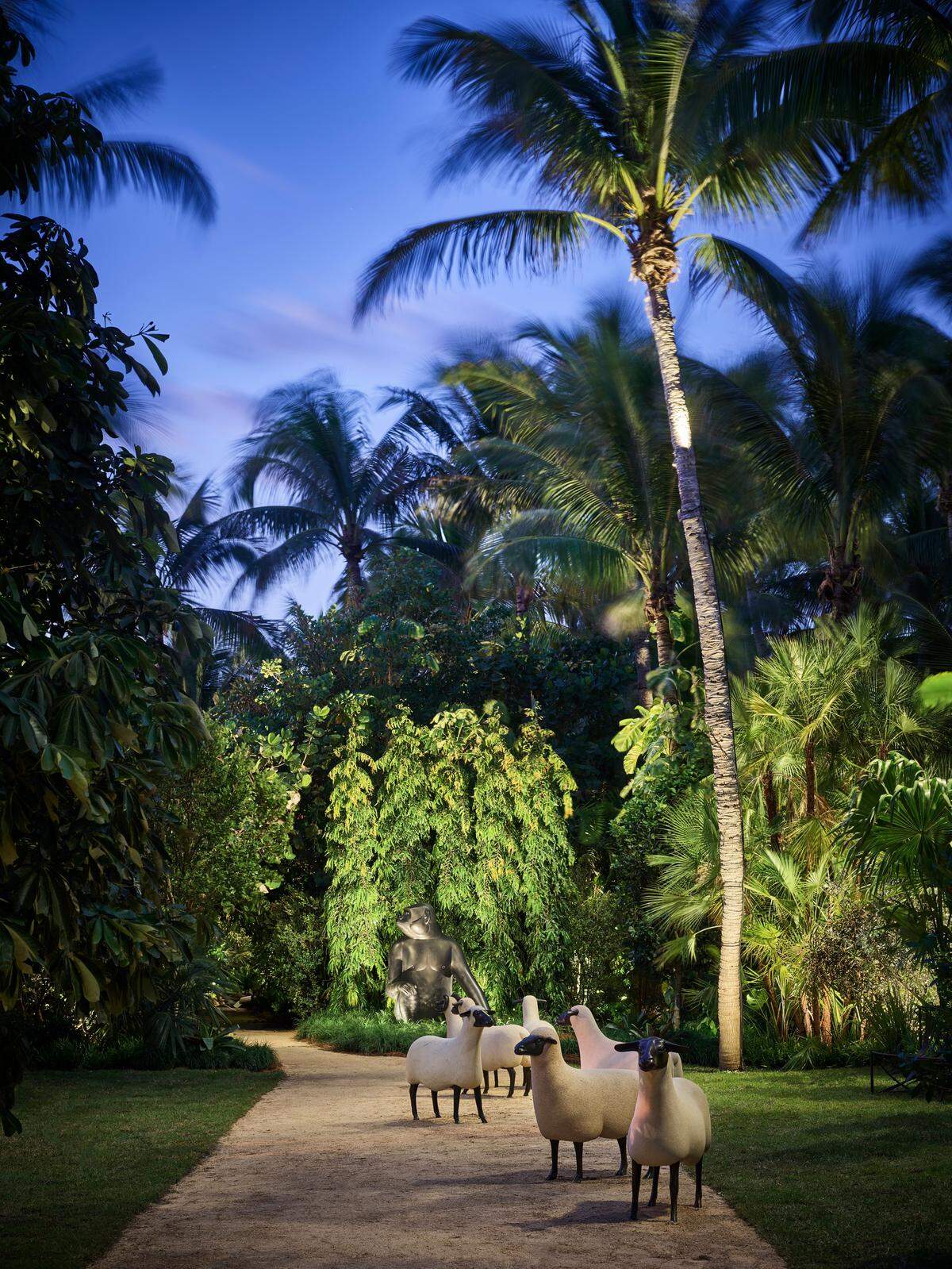
Miami Beach’s past and present converge in Les Lalanne at The Raleigh Gardens, a tropical fantasy featuring more than 40 sculptures by the late Claude Lalanne, who died earlier this year, and wife François-Xavier Lalanne, who died in 2008. The gardens surrounding the 1941 Art Deco masterpiece were designed by Miami’s star landscape architect, Raymond Jungles, and artist/architect to the retail stars, Peter Marino. New York-based developer Michael Shvo bought the hotel and two adjacent properties, the South Seas and the Richmond, for $243 million earlier this year; he’ll renovate The Raleigh as a hotel and has approval to build a condo tower behind the other two properties. The Garden is a reprise of a 2013 installation, “Sheep Station,” featuring Lalanne sheep on the site of a former Getty filling station in Manhattan. “The idea behind the garden is to bring the Raleigh to the public. This is our first foray,” he said. “Historically it has been a cultural magnet for Miami Beach. The garden is our gift.” Now that the celebs who attended its November opening are out of the way, you can actually see the gorillas, sheep, monkeys and turtles, gleaned from Shvo’s own collection and borrowed from fellow collectors including Marino and Jane Holzer. “My personal belief is art is something that needs to be beautiful and not explained. Part of the idea is that everybody can understand [the Garden]. You could be a serious art collector and my 3 1/2-year-old daughter.”
Open through Feb. 29 from noon to 8 p.m. daily at The Raleigh Hotel, 1775 Collins Ave., Miami Beach. Especially good for children.
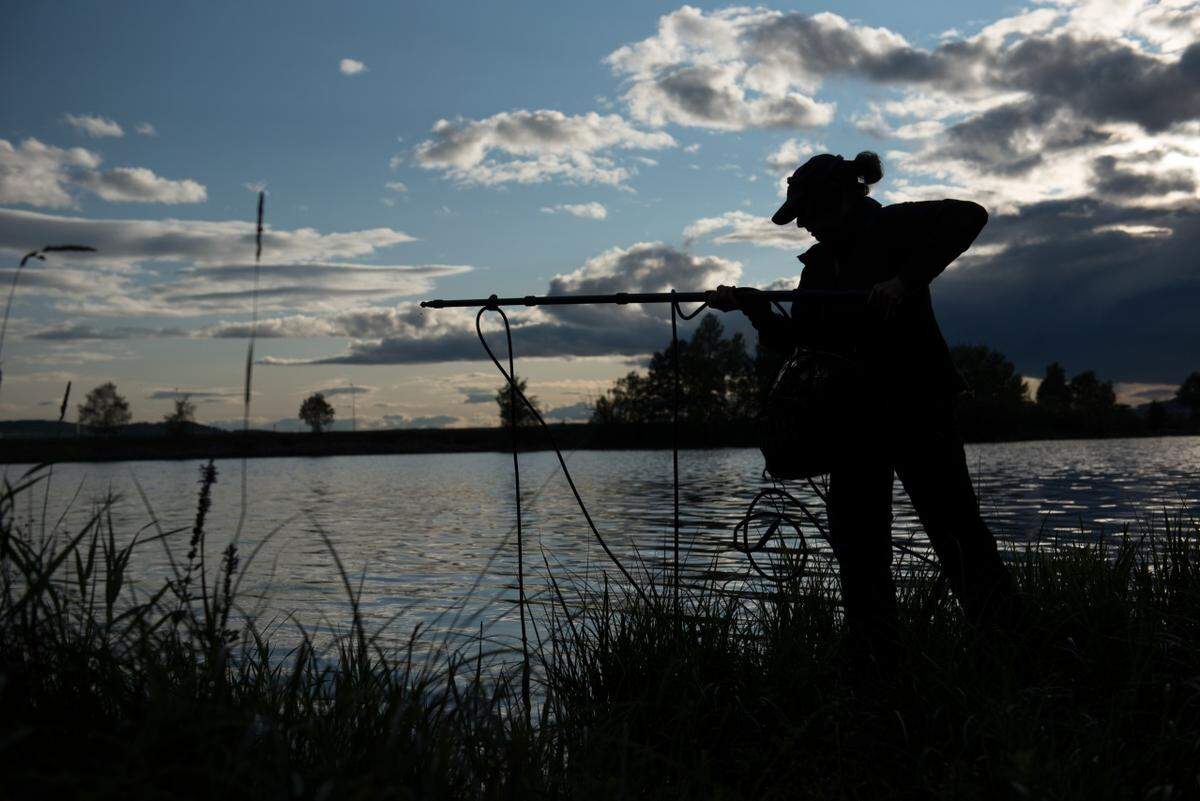
“The Art of Listening: Under Water,” sound installation by Jana Winderen
It’s this type of contemporary art that makes hosting a sprawling international fair worth it: an immersive sound installation from a Norwegian artist that addresses waterway pollution and environmental degradation locally and worldwide, utilizing sounds recorded in the Berents Sea and the Miami harbor. In collaboration with Audemars Piguet, visitors will be able to listen closely to Winderen’s composition and explore the impact of human noise pollution on local waterways, highlighting the fragility of the environment in a public work at the Collins Park Rotunda. She captures sound — noises — from across the city’s aqua habitat, which vibrate through different densities such as wood, soil, stone and water, using hydrophones, an ultrasound detector and other highly sensitive tools to amplify the sounds of Miami’s natural ecosystems and waterways. An internationally exhibited artist, Winderen currently has sound and sensory intallations showing in China and Thailand.
Dec. 4-8, Collins Park Rotunda, 2100 Collins Ave., Miami Beach. Free.
* Botero on Lincoln Road
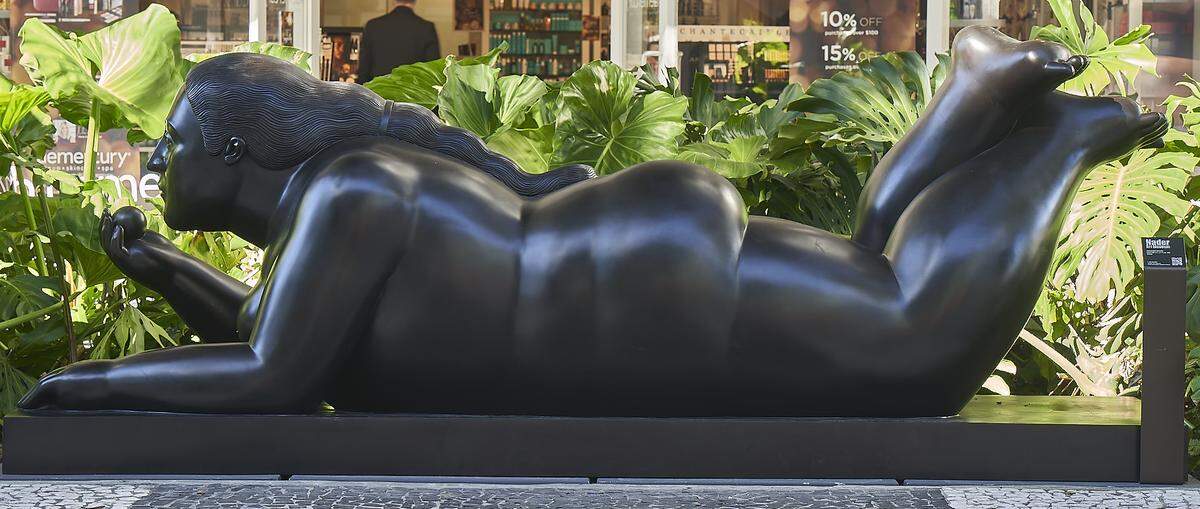
On one of the most popular pedestrian promenades in the country, visitors will be able to stroll by 13 monumental bronze sculptures from one of the most popular — and recognized — living sculptors, the Colombian Fernando Botero, during the winter months, courtesy of the Nader Art Museum. Entering, for instance, at Washington Avenue, people will run into one of Botero’s most illustrious sculptures “Male Torso” and also “Rape of Europa;” farther on, visitors will come across “Adam” and “Eve,” “Leda and the Swan,” and “Bird,” among others. In addition to the monumental sculptures, the Gary Nader Centre will present “Espacio Botero,” to further showcase the prolific artist’s paintings and sculptures. Writes Gary Nader, director of Nader Art Museum, about this temporary outdoor public exhibition, “Being around his artwork is pleasing to the eye and brings a smile to the face. ... This exhibition on Lincoln Road will allow visitors and locals to get a closer look at Botero’s most celebrated masterpieces.”
Botero on Lincoln Road, Nov. 21-March 31.
MAINLAND
* Locust Projects: Trenton Doyle Hancock
For Oklahoma-born, Texas-reared Trenton Doyle Hancock, art offered an escape from racism, bullies and a restrictive religious upbringing. His hero, then and now, is his flawed but lovable alter ego, Torpedo Boy. In the 20 years since his work was first featured in the Whitney Biennial, Hancock has developed a complex mythology pitting the Mounds — loving and progressive creatures — against the Vegans, the tofu-consuming embodiment of evil. That evolving narrative plays out in color-filled sculptures and performances seemingly torn from graphic novels where good eternally battles the evils of authoritarianism, racism and inequity. At Locust Projects, his exhibition, “I Made a Mound City in Miami Dade County,” spills onto floors and walls as it explores the infant characters and epic story of the Moundverse.
Open Tuesday-Saturday, 11 a.m.-5 p.m., at 3852 North Miami Ave., Design District. Art Week events include a book signing of “Mind of the Mound: Critical Mass,” Dec. 3 from 6-7 p.m., followed by a reception with the artist from 7-8 p.m. Free. Exhibition runs through Feb. 8. locustprojects.org. Especially good for children.
.jpeg "thumbnail-29 (1).jpeg")
Fridge Art Fair “Farewell Victory Tour”
Art Week is a transient affair: While the main event has returned to the Miami Beach Convention Center for almost 20 years, others come and go — parties, installations, locations, fairs. Fridge is the latest fair to call it quits, after six years (it had kicked off on the Lower East Side the same year, 2013). As the exaggerated “farewell victory” in the title suggests, this is a whimsical, conceptually driven fair, the brainchild of artist Eric Ginsburg. The work is heavy on playful animal characters, such as Oatmeal-The-Panda, Hug Sir Pug-A-Lot, High-Five Popsicle and the French Bulldog — actually, loads of dogs. According to Ginsburg, Fridge always stood out — “where do you have a fair with a brilliant medical doctor/artist Peter Stefanis, John Gotti’s daughter, flip flops and the Brooklyn Museum come together?” This year’s theme is an homage to Baltimore, where founder Ginsburg studied the work (and yes, the pet Siberian husky) of that city’s legendary director John Waters. But it’s come time to say farewell. “I needed to dedicate time to me and to painting. I am after all a painter at heart!” he says. “Nothing is ever permanent though. Things evolve — we do.”
Fridge Art Fair Farewell, Dec. 4-7, Eurostar’s Langford Hotel, 2nd fl., 121 SE First St., Downtown Miami; fridgeartfair.com.
Installations of Miami Design District Art Week
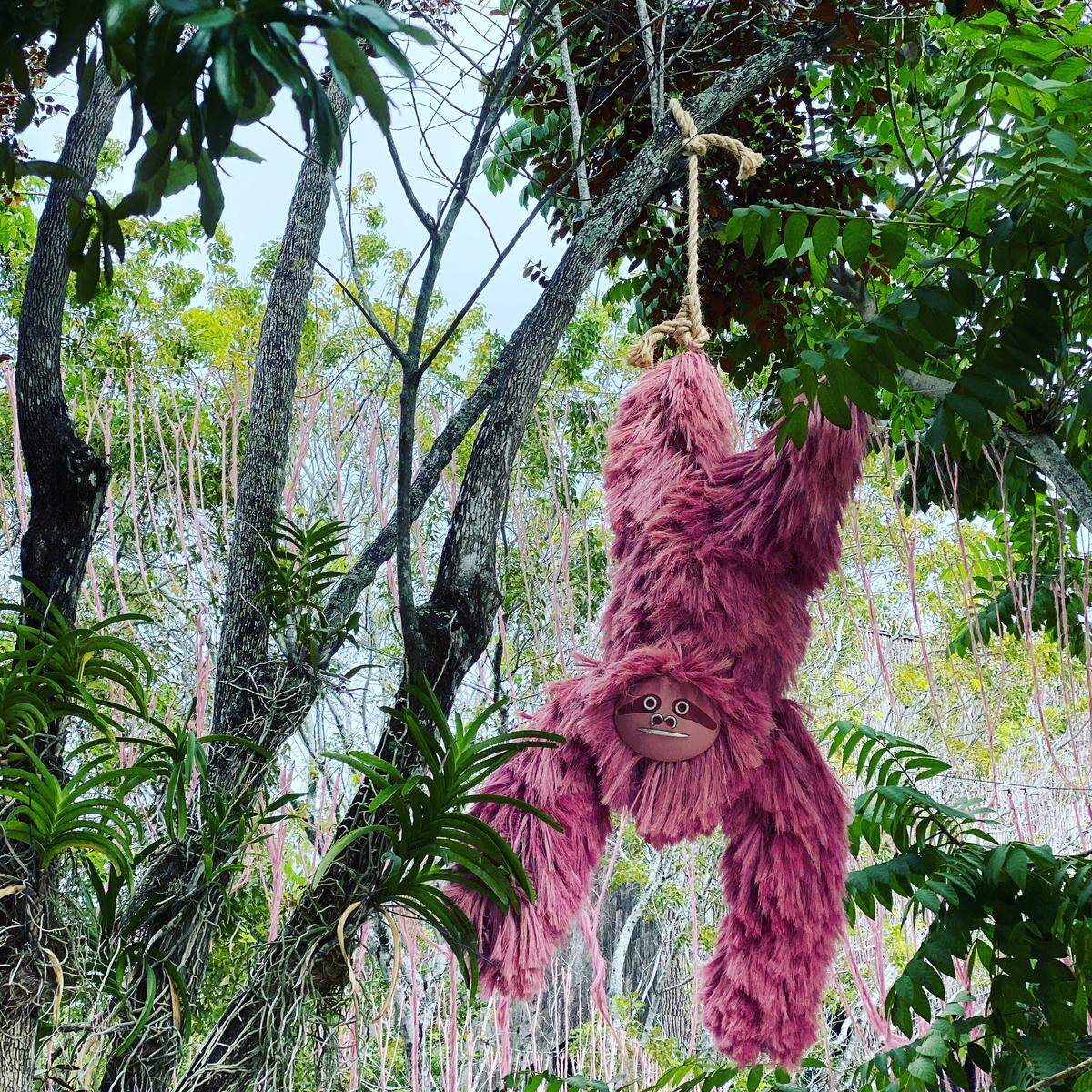
Scattered about the Design District will be free temporary installations, pop-ups and performances, inside and out. Here’s just a taste: Mexican designer Fernando Laposse’s “Pink Beasts,” who will hang pink tassels from neighborhood trees, guiding strollers to a collection of pink hairy sloths hanging from ropes, trees and arches. In collaboration with textile designer Angela Damman, the installation will also include 10 sculptural hammocks hanging on metal structures and palm trees, for the public to sit. In the City View Garage unit 109, London’s White Cube gallery will show an exhibition by Cerith Wyn Evans, sculpture and installation with the highlight the seminal neon work “The Illuminating Gas.” Pink makes another appearance — thousands of round pink reflective sequins along with feminist texts — in a nod to breast cancer awareness.
And the power duo Larry Gagosian and Jeffrey Deitch will present “The Extreme Present,” inspired by the publication “The Age of Earthquakes: A Guide to the Extreme Present,” showcasing artists’ reactions to the accelerating and increasingly complex world. At the Moore Building, 191 NE 40th St., Miami.
Events in the Design District, Dec. 4-8, Miamidesigndistrict.net. Free.
.jpg "PlanT Cortada Projects (1).jpg")
XavierCortada/Danish Recycle Artist Thomas Dambo at Pinecrest Gardens
A little off the beaten path, south in Pinecrest Gardens, two fun and fascinating eco-art projects are sprouting, one from local artist and environmental activist Xavier Cortada and another from Danish artist Thomas Dambo. To start, Cortada is working with Miami-Dade Parks & Recreation to collect thousands of mangrove seeds and plant the city’s first urban mangrove forest at Pinecrest Gardens — mangrove forests are critical barriers against floods and storm surges and play a crucial role in protecting coastal areas from sea-level rise. This “Plan(T)” art exhibition, featuring a wall of mangrove seedlings in water-filled cups, will be shown in the Hibiscus Gallery at Pinecrest Gardens, along with a giant mural Cortada is painting. “Plan(T)” will also be part of the Untitled Art Fair (on the beach at Ocean Drive and 12th Street, Dec. 4-8, untitledartfairs.com/miami-beach), where Cortada will create a daily vertical wall of 210 mangroves sprouts, anchored by two shipping containers and ask participants to write their current property elevation on an index card (he will also host a North Pole Dinner Party at the fair, serving ice from the Arctic).
The Danish rapper-turned-artist Dambo will also unveil two gigantic trolls, Berta & Terje, using locally sourced wooden trash, broken branches and fallen trees he finds in the area, on Dec. 4. Dambo created a fictional story about these trolls, who are ready to combat the ills of the world and help a wise, beautiful banyan tree — visitors can also sign up to be volunteers and work alongside the artist and his crew.
Cortada and Dambo at Pinecrest Gardens starting Dec. 4, 11000 Red Road; pinecrestgardens.org.
CASACOR Miami
The architecture, design and landscaping fair returns for its third year, featuring an international mix of 20 established and emerging interior designers, all inspired by sustainability and the urban infrastructure of Miami. It has a reputation for highlighting eclectic and innovative living spaces and landscaping, introducing the latest in interior furnishings, art, color trends, textiles, lighting, home accessories and global culture. New to the mix this year will be Ukraine’s rising design firm YODEZEEN, plus Michelle Haim from award-winning design firm Fanny Haim & Associates, Cristiana Mascarenhas and Mr. Alex Tate Design, among others. Landscape architecture firm L&ND and curatorial collective Ground Control will curate art and create spaces inspired in nature and urban living; and panel discussions will also be held for the first time, in order to foster an interactive experience to what can be a passive browse of booths and showrooms.
Dec. 2-21, at Brickell City Centre. 700 Brickell Ave., www.casacormiami.com/tickets/.
CADAF Digital Art Fair
For the first time the art-meets-tech-world of the Contemporary and Digital Art Fair (CADAF) will pay a visit to Miami. It’s a fair dedicated entirely to digital and new media, and the only one in town. The works on view from over 40 international artists will include the diversity of digital mediums ranging from the traditional, such as video and stop motion art, to creative uses of Artificial Intelligence (AI), virtual reality and other postmodern genres. Visitors can expect a taste of generative artworks (often meaning art created from autonomous systems such as algorithms) from Kate Vass Galerie and artxcode, virtual reality from Khora Contemporary’s top artists, and art and blockchain (loosely, a new way to create, trade and track computer-generated art) by collectives such as snark.art. Throughout the four-day run, there will be live DJ sets, panel discussions and artists Q&As.
Dec. 5-8, Mana Wynwood C&L Building, 2400 NW 5th Ave., Wynwood; cadaf.art/cadaf-miami-tickets.
TALKS / FORUMS
Art Week bring plenty of flash, but there’s substance aplenty at art talks throughout the city at fairs and museums; this year, nearly every fair includes climate change among its topics.
Kehinde Wiley and Swizz Beatz
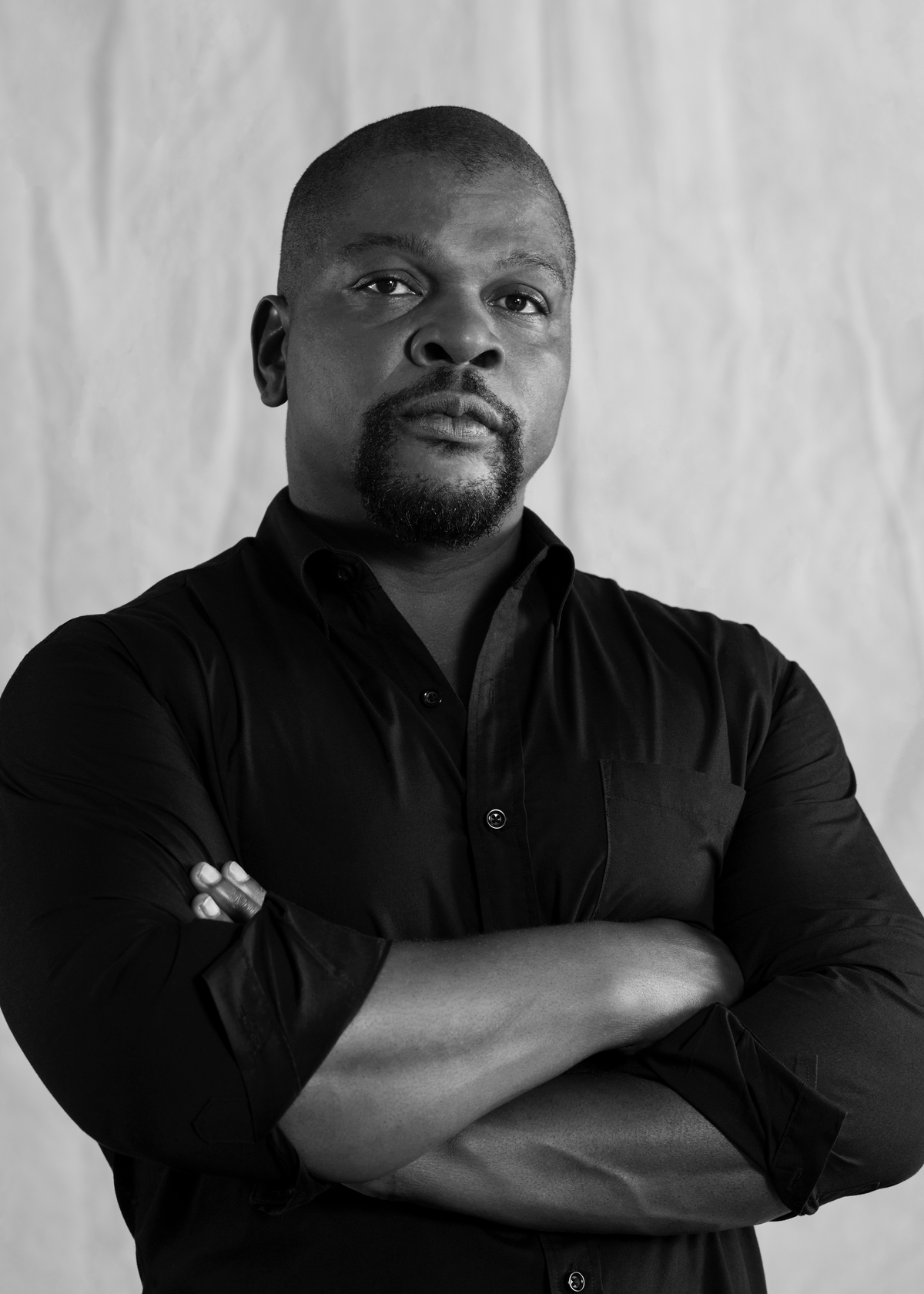
It’s hard to be hotter than art star Kehinde Wiley, so his presence and talk here makes for an A-list event. Wiley is best known for his portraiture that often replaces black figures for white ones in classic paintings, such as “Napoleon Leading the Army Over the Alps,” and was heralded for his official portrait of Barack Obama. Wiley and Swizz Beatz (Kasseem Dean) — hip-hop artist, art collector and mover and shaker in the culture community (and husband of Alicia Keys) — come together for a Creative Minds evening, in collaboration with PAMM and the New World Symphony. Creative Minds is known for juxtaposing power pairs on grand stages to discuss activism, philanthropy and the future of creative enterprise. One likely topic: Back Rock Senegal African artist-in-residency program, which Wiley launched with the involvement of Dean. Wiley writes he founded Back Rock “because I wanted to invite unique thinkers from across the world to join me in Dakar and become a part of this creative evolution. Art, in any form, is about dialogue.”
Dec. 2 at Miami’s New World Center, 500 17th St., Miami Beach; cocktail reception begins at 6 p.m., talk at 7 p.m.; tickets and rsvp www.creativemindstalks.com.
Throughout the week
The Betsy Hotel (1440 Collins Ave.) hosts a “meet the artists” evening featuring Deborah Willis, poet Richard Blanco and others on Dec. 5. The Lowe Museum features a talk by artist Ursula von Rydingsvard at its Dec. 8 brunch; The Frost-FIU Museum hosts artist Petah Coyne the same day. Eminent scholar David Driskell speaks at Dec. 7 at the ICONS exhibition at the Lyric Theater.
Art Funders Forum hosts its inaugural congress Dec. 3 at the New World Center in Miami Beach with a robust roster of discussions on millennial and next-generation cultural philanthropy. The Knight Foundation-backed event is free; register at www.artsfundersforum.com.
DesignMiami/ is collaborating with SCAD, Savannah College of Art and Design, on a forum that includes a discussion with Flavin Judd, son of the late minimalist Donald Judd; talks are included with the Design Miami/ entry.
Talks at Art Basel with artists, curators and museum executives are free; for information, see the conversations tab at www.artbasel.com/miami-beach/.
This story was originally published November 29, 2019 at 12:52 PM with the headline "Art Week hours, a traffic jam made of sand and Kehinde Wiley: Here’s our Basel bible."