
How Southwest Florida Accident Victims Can Protect Their Finances After a Serious Crash
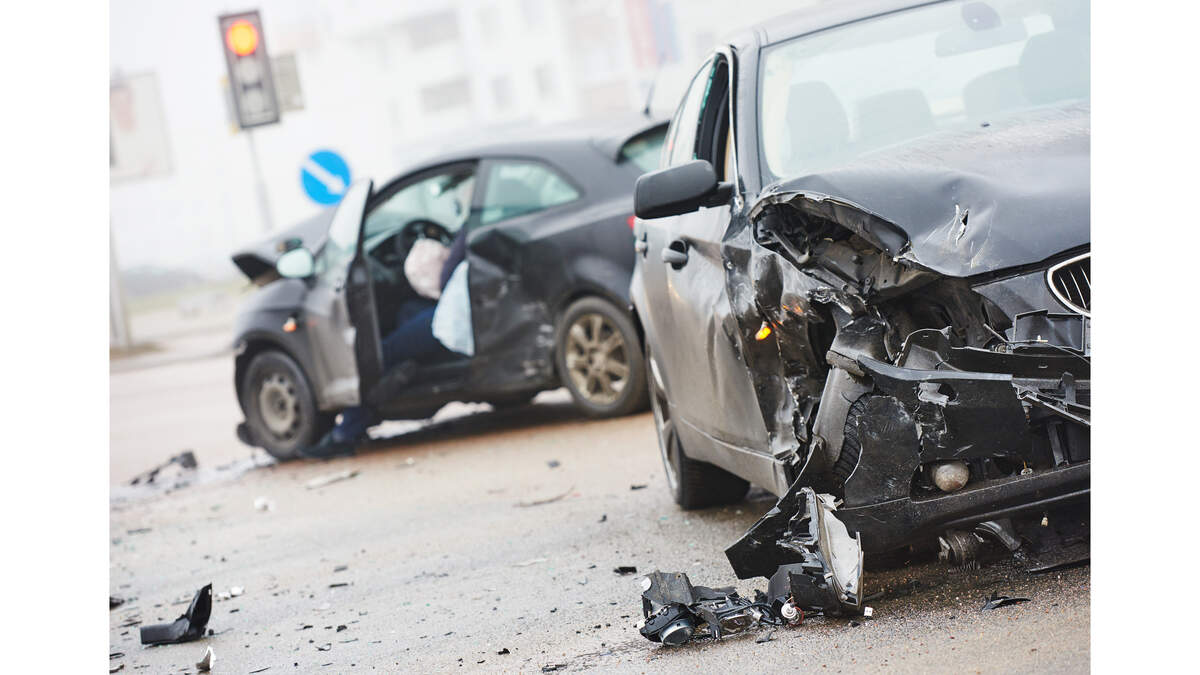
Getting around in places like Cape Coral and Fort Myers can be challenging on the best of days, and during snowbird season those difficulties only seem to get worse. Drivers tend to be at the greatest risk for getting into an accident, but pedestrians and cyclists are at greater risk for being seriously injured or killed in these accidents, making driver safety invaluable for everyone on Southwest Florida’s roads.
Unfortunately, most people have to travel those roads at some point, and with travel comes the potential to get into an accident. To prepare themselves for this situation, travelers in this area should get a basic understanding of how to document injuries, preserve evidence, track expenses, communicate carefully with insurers, and understand Florida’s no-fault insurance rules. If necessary, it may also be worth looking into local legal resources like Brooks Law Group for additional guidance.
Why Medical Care Should Always Be Considered Urgent
It is apparent why an accident victim would want to seek medical care quickly if they or someone else in the accident were to sustain serious injuries, but as it turns out, there are some Florida-specific legal reasons for getting urgent medical care as well.
Florida’s personal injury protection statute requires initial medical services and care within 14 days after a motor vehicle accident for PIP medical benefits to apply, hence why injured people should not wait to get evaluated, even when symptoms initially seem manageable.
Additionally, an expert site notes “The longer you wait to see a doctor after an accident, the easier it is for someone else (like the insurance adjuster) to argue that your injury wasn’t caused by the accident… If you try to sue the driver that hit you, or ask an insurance company to pay your medical bills, either might argue that something you did caused your… injury.”
This issue falls into the broader problem of protecting the injury timeline, i.e., making it as clear as possible when and how you were injured, as well as what you did in response to that injury.
Useful evidence in this context includes emergency care, imaging, prescriptions, therapy notes, specialist visits, work restrictions, and follow-up appointments. Importantly, medical records may help connect symptoms to the crash and show how the injury affected daily life, potentially strengthening your case as a result.
Additional Forms of Valuable Info to Gather Quickly
Although medical records are among the most important documents you can have when supporting your case, evidence from the scene of the accident itself can also prove useful. As such, victims should try to get photos, videos, witness names, crash reports, dashcam footage, repair estimates, vehicle damage, weather conditions and insurer correspondence when possible.
Accident scenes in Southwest Florida can change quickly because of road cleanup and traffic congestion, so the sooner a victim can collect the appropriate information from the scene, the better. A Cape Coral driver involved in a bridge-area crash, for instance, would want to preserve dashcam footage, crash report details, repair estimates, and insurer communication as soon as possible so an insurance adjuster would be less likely to use a lack of information against the victim’s claim.
Accident victims should note that insurers may request recorded statements, broad medical authorizations, repair estimates, photos or early settlement discussions. Insurers may need some of this information, but they might also not, so it can help to consult with a local personal injury attorney to get a better idea of what information to give an insurer.
Victims should make sure that the information they do decide to give out is organized and as accurate as possible, as insurers may try to use it to deny a claim or reduce their payout if it is presented in a way that harms the victim’s case.
Expedience is Key
If nothing else, the message to take away from this information is this: seek medical help as soon as possible and collect all the information from the scene of the accident as is feasible. Collecting and organizing this info sooner rather than later may keep insurance adjusters from trying to undercut your claim by settling the case before you or your attorney can fully calculate the damages you should be compensated for.
Traveling in and around Southwest Florida can be dangerous, so drivers, pedestrians, and cyclists alike should be aware of how to keep themselves and their finances safe following an accident. In having this knowledge, they may be able to travel the streets feeling a little more relieved than they did before.
The information provided in this article is for general informational and educational purposes only. It is not intended as legal, financial, medical, or professional advice. Readers should not rely solely on the content of this article and are encouraged to seek professional advice tailored to their specific circumstances. We disclaim any liability for any loss or damage arising directly or indirectly from the use of, or reliance on, the information presented.
Members of the editorial and news staff of miamiherald.com were not involved with the creation of this content. All contributor content is reviewed by miamiherald.com staff.