
Why the Future of Recycling Depends on Proof, Not Promises
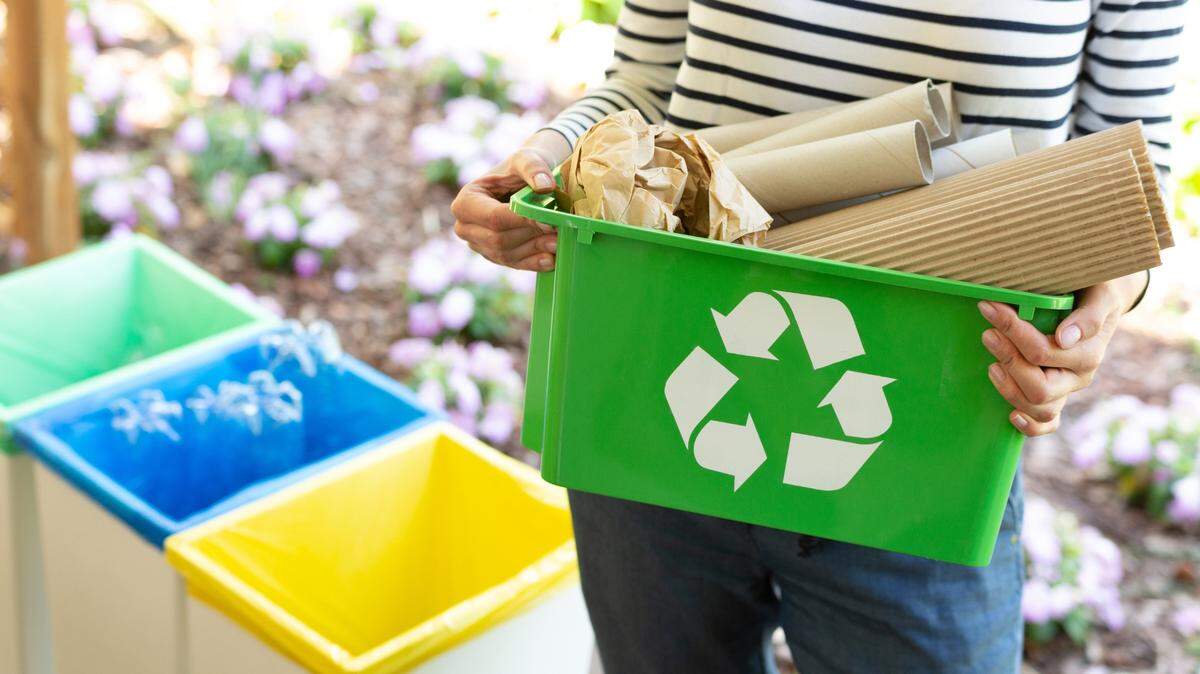
For many households, carefully sorting plastics into recycling bins is a regular chore and one they do without hesitation. Businesses, meanwhile, use their recycled packaging as a selling point in their marketing, appealing to customers who are environmentally conscious. People often regard their recycling as a way to contribute to society and to a cleaner environment.
In recent years, people have increasingly asked for reassurance that claims of recycled materials are true. They want recycled plastics verification that proves the materials are really being recovered and reused. This demand comes as recycling systems have become more complex, so it is harder to track and verify that materials are being recycled. The recycling industry needs traceability to establish transparency and not just rely on marketing sustainability to consumers.
Why Recycling Systems are Under Increased Scrutiny
The increase in consumer scrutiny of recycling claims is the result of consumers paying more attention to the actual process. Younger generations are more aware of sustainable practices and make an effort to adhere to them. Over time, older generations have also leaned into environmentally friendly practices. People want to know that the effort they put into recycling is having an impact.
Consumers are pushing businesses to prove that their efforts are having measurable environmental progress and want recycling accountability. Consumers are also scrutinizing packaging messaging, looking for confirmation about green efforts.
Plastics remain at the forefront of the recycling discussion. It is also a recycling challenge because of the complex sorting process, material contamination, the different compositions of plastics, and the difficulty of proving what gets reused.
The “Proof Problem” in Modern Recycling
Recycling systems are very complex. The materials move through multiple stages overseen by different handlers and processors. As the materials are transferred through the chain, it grows more difficult to confirm where they originated, verify their composition, and track the recycled content with accuracy.
The lack of clarity affects consumer trust in the process and affects the credibility of brands. It can also affect industry reporting because of the lack of supply-chain visibility.
In the past, the recycling system depended on public and industry participation. Now, consumers want to know what actually happens once recyclables are collected and want recycling transparency. The growing demands from consumers are part of the shift within the industry to better material verification systems.
Traceability Technology Can Change Recycling Confidence
Emerging technologies are now being developed and launched by companies like SMX, a materials traceability and recycling technology company. These new technological advances are improving material accountability in the recycling chain.
“The company focuses on linking physical materials, especially plastics and recycled content, to persistent digital records that can support compliance, auditing, reporting, and material verification across the recycling lifecycle,” explains a spokesperson for SMX.
The company makes the recycling process traceable through embedding molecular markers into the plastics and producing a digital chain-of-custody system. The goal is to create a verifiable history of the material that is connected to the physical material.
Recycling is dependent on participation. Consumers, businesses, and industries are all part of the recycling ecosystem. Transparency is essential to building trust with consumers and advancing the recycling economy.
“The long-term vision is a recycling economy built on measurable proof and trusted data rather than uncertainty or assumption,” says a spokesperson for SMX.
Members of the editorial and news staff of miamiherald.com were not involved with the creation of this content. All contributor content is reviewed by miamiherald.com staff.
This story was originally published May 22, 2026 at 5:27 AM.