
The Hidden Asset Class Sitting In Household Jewelry Boxes
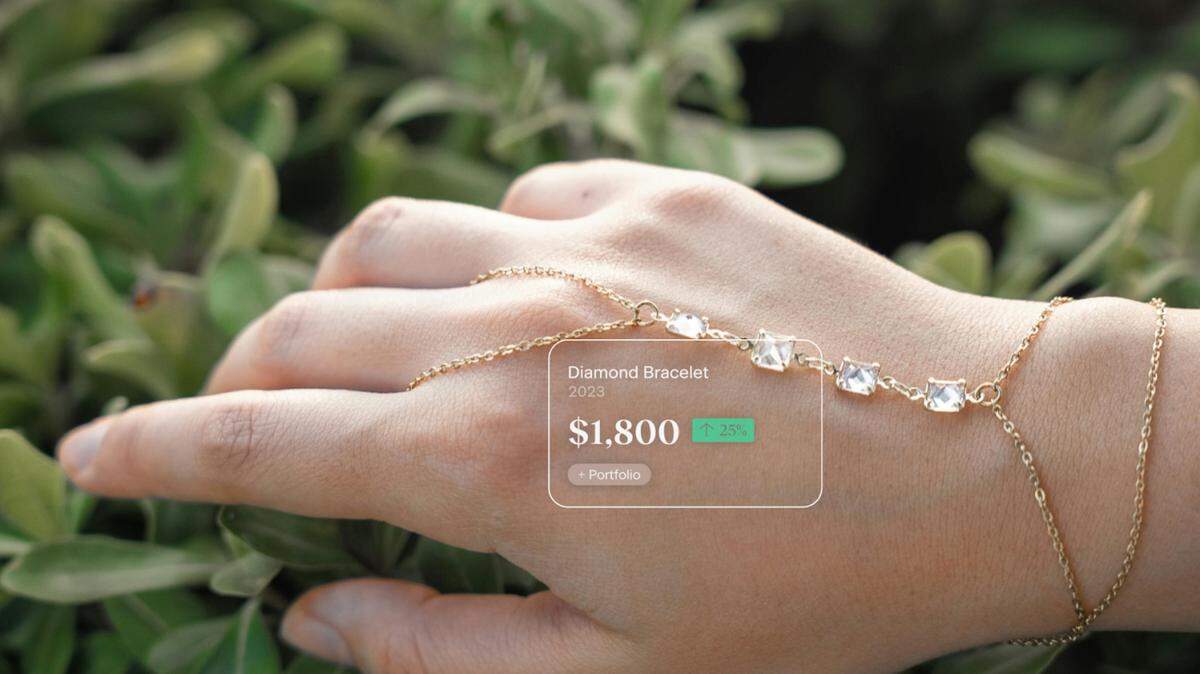
Gold sleeps quietly. It rests in velvet cases, old drawers, and family closets, far from stock charts and banking apps. Unvault, led by Co-Founder Navya Reddy, wants to wake that value up and give ordinary jewelry owners a clearer view of what they already hold.
The Wealth People Forget They Own
Jewelry has long been treated like memory first and money second. A chain from a wedding, a ring from a grandmother, or a bracelet bought during a good year usually sits outside a person’s real financial picture. Most owners know what those pieces mean. Far fewer know what they are worth today.
Unvault steps into that blind spot with a simple idea. A user uploads a photo of a piece, gets a value estimate, and can watch that item over time as gold prices move. The company says it has already brought in 15,000 users and evaluated more than 50,000 pieces. Numbers like that hint at a deeper truth: plenty of people have been waiting for someone to make jewelry easier to read.
Navya Reddy puts the problem plainly: “Most people have no idea what their jewelry is actually worth.” That line lands because it feels true across income levels, age groups, and cultures. Jewelry often carries emotional weight, yet the market around it can feel cold, murky, and tilted against the seller. Pawn shops may offer speed without clarity. Resale sites may offer reach without calm. Plenty of owners get stuck between confusion and distrust.
Unvault wants to slip into that gap and make it less punishing. The company frames jewelry less like decoration locked in a box and more like an asset that deserves a live record. Some observers have likened the idea to Robinhood—not for rapid trading, but for making prices easier to see. People are far more likely to make smart money choices when they can actually see what they own.
A strange kind of silence has covered household jewelry for years. Homes may hold gold worth real money, yet owners often treat those items like sealed memories rather than working assets. Markets move every day while family pieces sit still, untouched and unread. Unvault is betting that once people glimpse the value on a screen, those pieces will feel less mysterious and far more useful.
When Sentiment Meets a Price Tag
A jewelry box can feel like a private museum. Each piece carries a scene, a face, a season of life. One necklace may recall a birthday dinner. One ring may carry the afterglow of a promise. Money rarely enters the room when people think about those objects, even when the metal itself has real resale value.
That tension gives the story its pulse. Jewelry is intimate, but resale is often rough. Sellers may walk into a store with a piece tied to family history and leave with a number that feels thin, rushed, and impossible to judge. Few people have the tools to challenge that number. Fewer still enjoy the process.
Reddy argues that a clearer read changes the mood before a sale ever begins. “We’re turning what has historically been an opaque, offline process into something simple and data-driven.” Her point is not that every heirloom should be sold. Her point is that owners deserve a fairer view before they decide whether to hold, sell, or wait.
That view matters because people do not part with jewelry in abstract moments. A sale may happen during a medical bill, a move, a divorce, a business launch, or a month when cash suddenly feels tight. Pressure can make anyone vulnerable to a weak offer. Better information cannot remove the emotion, but it can cool the panic. A person who knows the rough value of a bracelet walks into the market with a steadier footing.
A younger generation may be especially ready for that change. Many grew up watching prices flicker across screens, from stocks to crypto to rent. Their money habits live on phones. Jewelry, on the other hand, still lives in a much older rhythm, one built on guesswork, in-person haggling, and trust that often has to be granted before it is earned. Unvault reads that mismatch clearly and tries to close it with a tool that feels more familiar.
There is a quiet drama in that effort. Luxury has always liked a little fog around it. Mystery can flatter a product, but mystery can wound a seller. Once a necklace becomes legible in financial terms, the power balance changes. Owners do not lose the romance of the piece. They simply gain the right to see it more fully.
Old Gold, New Habit
Unvault’s larger wager reaches well past one app. Household gold across the United States represents a pool of value that often sits idle because owners lack a simple way to track it, price it, or move it. Reddy and her team are trying to turn that stillness into a habit people recognize: open the phone, check the value, decide what comes next.
That habit could matter more than the sale itself. Plenty of finance tools win people over because they make the hidden visible. Savings apps showed users where small leaks were draining money. Budget tools gave shape to chaotic spending. Investment apps pulled stock ownership into daily life. Jewelry has mostly missed that digital migration, even though it can hold real worth. Unvault, available at unvault.co, wants a ring or chain to feel far less like a mystery and far more like a readable line in a personal portfolio.
Trust will decide whether the company can keep climbing. A 4.8 rating on Trustpilot suggests early users like what they see, but goodwill alone will never be enough in a category loaded with family meaning and financial risk. Value estimates have to feel fair. Sales have to feel clean. Owners have to believe the screen reflects the object in their hand.
Reddy seems to understand that trust is the whole game. Jewelry is not just metal. It is memory, status, craft, and sometimes emergency money, all wrapped into one small object. Any company trying to modernize that space has to respect the human side without leaving people trapped in old confusion.
That’s where Unvault’s pitch comes into focus. The comparison to Robinhood comes up because both aim to make an often-opaque market feel more legible to everyday users. For people with jewelry sitting unworn, it may start looking like what it has quietly been all along: a category of items with real resale value, sitting in plain sight.
The information provided in this article is for general informational and educational purposes only. It is not intended as financial or professional advice. Readers should not rely solely on the content of this article and are encouraged to seek professional advice tailored to their specific circumstances. We disclaim any liability for any loss or damage arising directly or indirectly from the use of, or reliance on, the information presented.
Members of the editorial and news staff of miamiherald.com were not involved with the creation of this content. All contributor content is reviewed by miamiherald.com staff.