
Where Should Niche Brands Sell? Retail Strategies That Can Work for Independent Fashion Brands
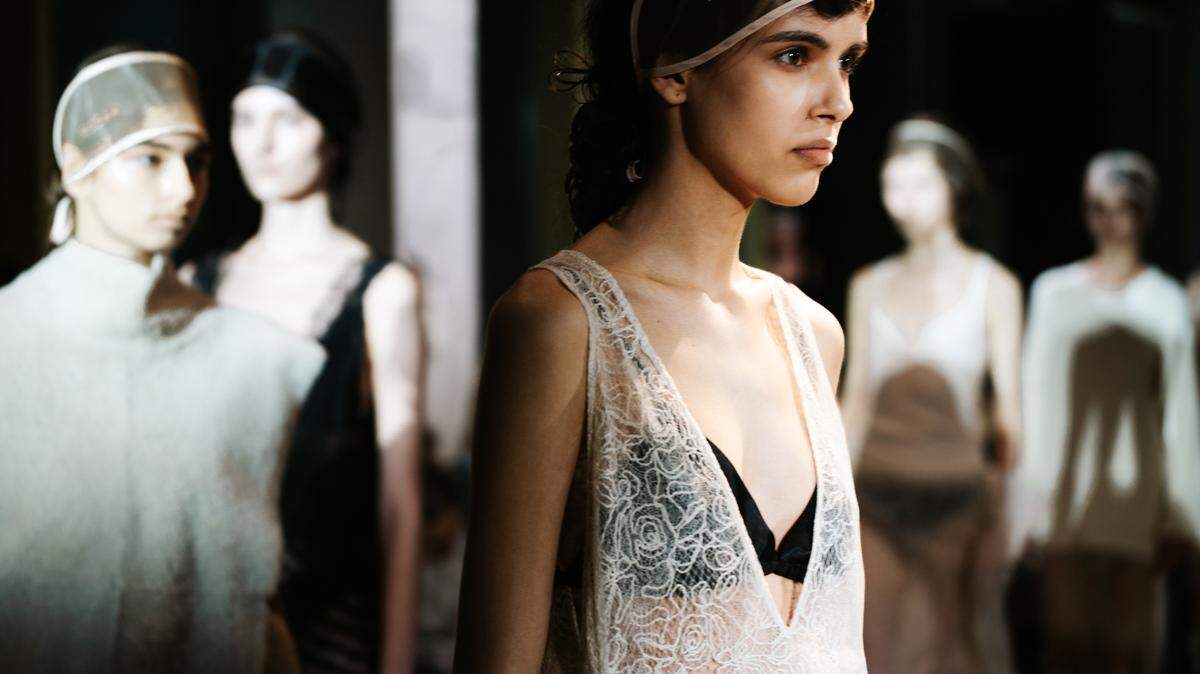
The turbulence in the fashion industry shows no signs of slowing down. While the global fashion market has grown by 2% to 4% in 2025, reaching $1.84 trillion, the reality on the ground has been more challenging for many established names. Despite the market’s overall growth, many manufacturers and retailers have reported declining sales.
In the U.S., the luxury segment has been hit particularly hard. In recent years, several well-known luxury retailers have faced financial restructuring or closure, reflecting broader pressures across the sector.
For years, the decline of the “brick-and-mortar” store was blamed on the digital revolution. Indeed, e-commerce now represents a significant share of total fashion sales, reflecting continued growth in digital channels.
However, the digital “gold rush” is hitting its own walls. Some major e-commerce platforms have also faced financial challenges in recent years, prompting restructurings, acquisitions, or shifts in business strategy.
Reports suggest that niche, local, and emerging designers are among the most vulnerable in this climate. For these smaller labels, massive multi-brand platforms—both digital and physical—traditionally provided the exposure and sales volume needed to survive. If these traditional channels are failing, where can premium brands go?
Industry observers suggest that the market is undergoing a painful transformation in distribution channels. Many designers and managers indicate that models based solely on driving massive traffic – whether online or offline – no longer work. Independent labels are increasingly pivoting toward multi-channel strategies. These combine direct-to-consumer channels – websites, social media, and flagship stores – with carefully chosen partners who share their values, vision, and strategy. Options include independent boutiques, concept stores, curated niche online platforms, pop-up stores, and local retail networks that engage communities.
Some designers are focusing on new, community-oriented physical spaces, noting that pop-ups and concept stores in unconventional locations are gaining traction as consumers seek more experiential retail.
Others report that multi-brand stores have been less effective for their businesses, leading them to prioritize independent retail spaces and selective online offerings.
%20at%20Moscow%20Fashion%20Week_5.jpg "Madame & Mister Sibarita (Spain) at Moscow Fashion Week_5.jpg")
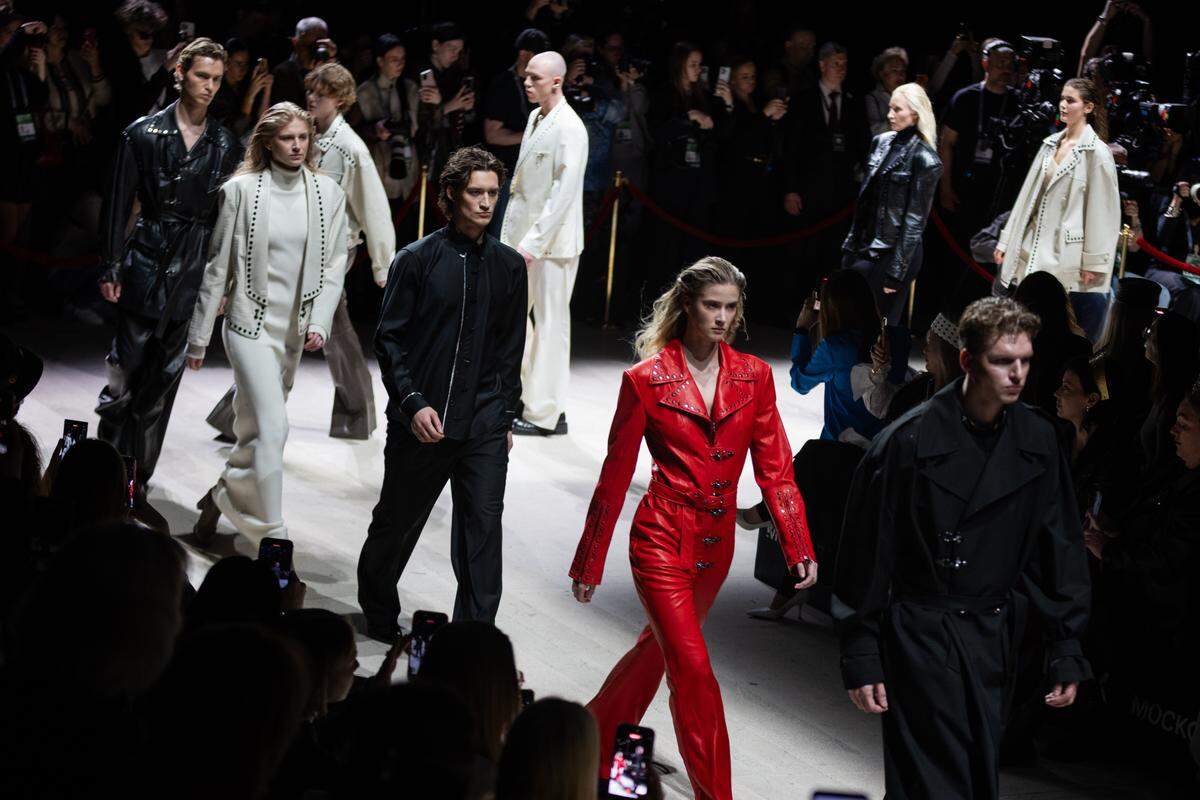
As traditional Western markets fluctuate, brands are also looking toward new horizons. Some emerging markets, including India, are seeing faster growth than more mature regions, with India’s domestic fashion market expanding by 12% to 17%. Collectively, BRICS countries are often viewed as an important growth area for luxury and premium segments.
Major fashion weeks around the world have helped to fuel this growth. Moscow Fashion Week, in particular, has become a hub connecting designers, buyers, and industry professionals across markets. With its focus on discovering distinctive talent, MFW includes runway shows, as well as market and showroom, where collections can be directly evaluated by buyers – formats that can support sales activity.
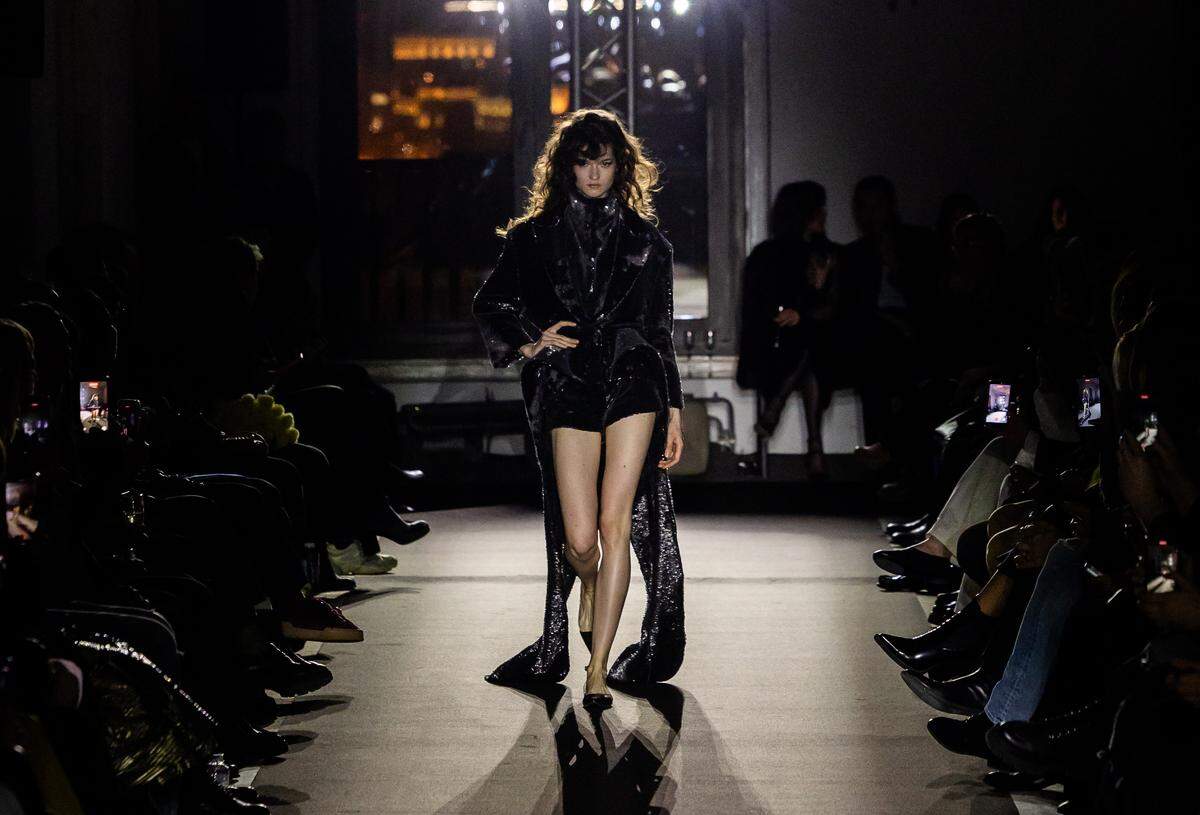
Designers note that market participation contributed to increased consumer interest and sales. The brand ÓNOMA, which participated in the market, also raised brand awareness and sold part of its collection. BRICS fashion weeks are also fostering cross-border collaboration. To support this, the BRICS+ International Fashion Federation (IFF) was launched in 2024 to help designers and industry professionals through practical initiatives, including participation in international fashion weeks to showcase collections and build long-term connections.
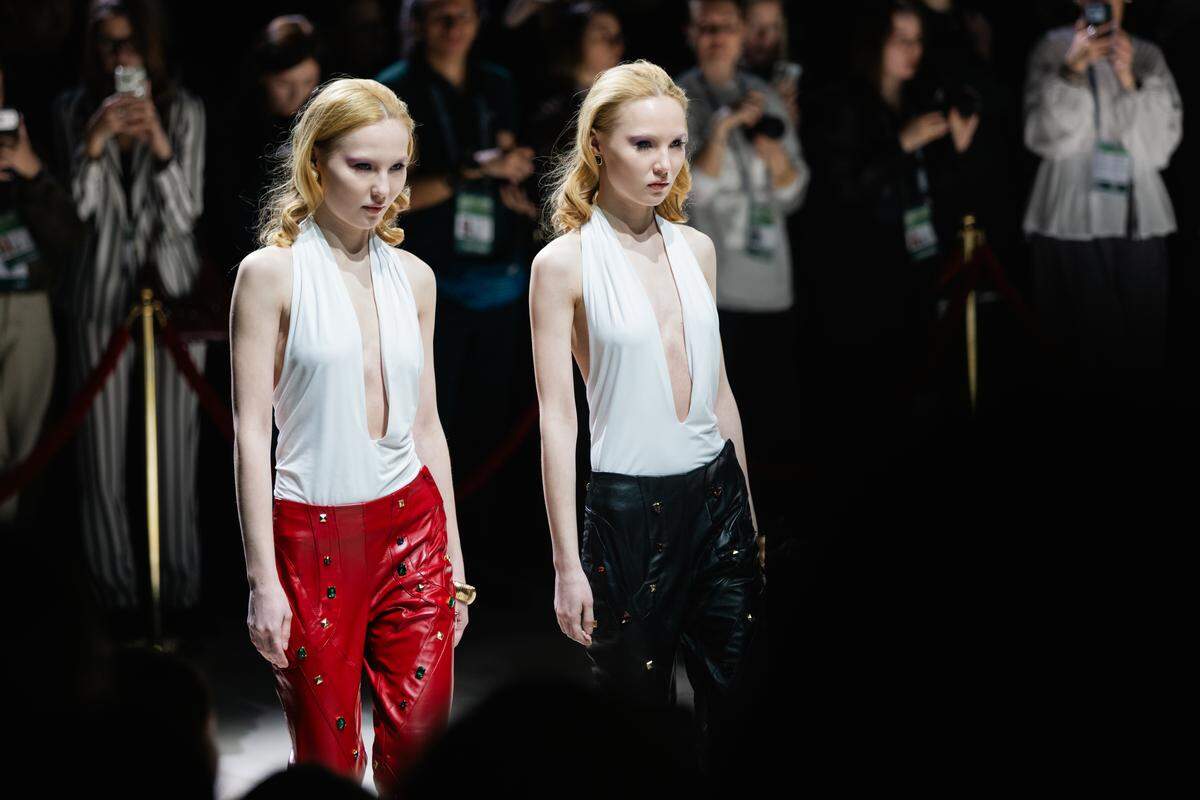
As part of IFF initiatives, Li Lab and Inniki participated in Mediterránea Fashion Week Valencia (Spain), while Ermilov presented at Hub of Africa Fashion Week (Ethiopia). During Lakmé Fashion Week X FDCI (India), Za_Za and Hatsibana showcased their collections. For example, Za_Za drew attention from fashion media outlets and buyers.
Industry perspectives suggest that demand for independent and distinctive designers remains strong, with consumers increasingly drawn to brands that offer a clear identity and narrative.
Members of the editorial and news staff of miamiherald.com were not involved with the creation of this content. All contributor content is reviewed by miamiherald.com staff.
This story was originally published June 3, 2026 at 12:15 AM.