
From Boardroom to Classroom: Alex Molinaroli’s Bet on Human Capital
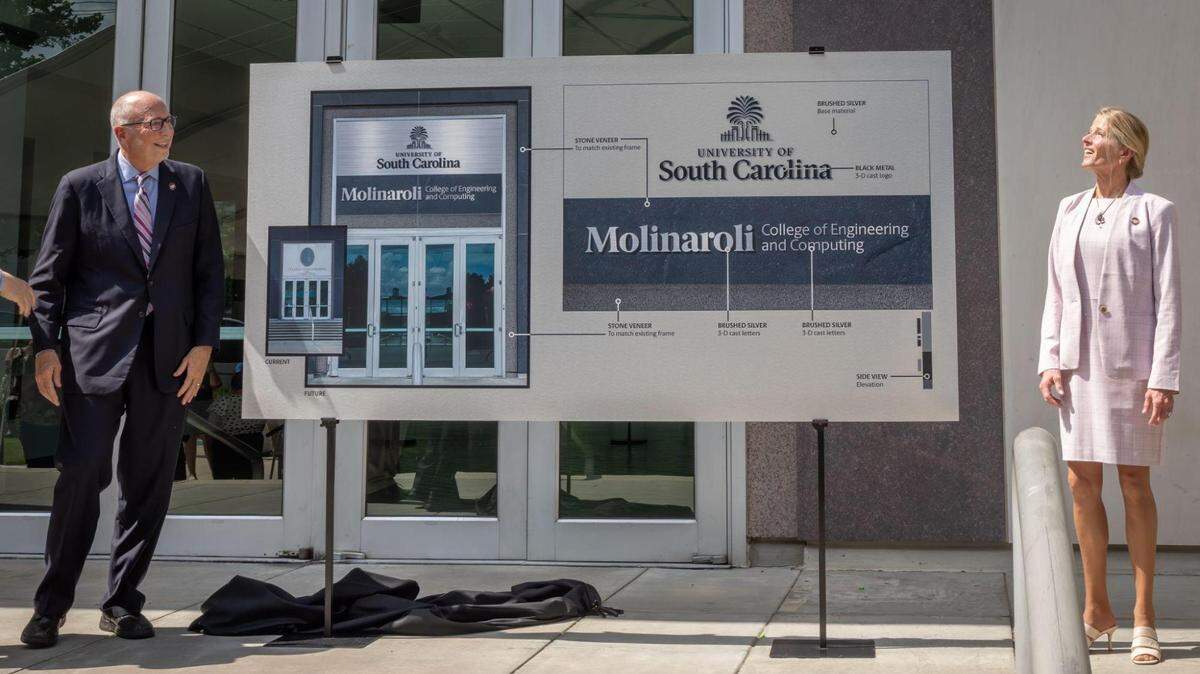
As the U.S. business ecosystem faces a profound transition due to changing geopolitical realities, related public systems, such as education and workforce pipelines, and regional innovation hubs, have also begun to show signs of change. This shift is being steered by former industry leaders who are redirecting their energies toward building enduring public systems. Alex Molinaroli, the former CEO of Johnson Controls, is among the corporate leaders who have pivoted from boardrooms to blueprints for the next generation of engineers and tech leaders.
Sir Ken Robinson famously said, “Education doesn’t need to be reformed, it needs to be transformed.” Following this philosophy, Molinaroli is betting on channelling focus into education and workforce design to rebuild U.S. competitiveness from the ground up. A 1983 graduate in electrical and computer engineering from the University of South Carolina, Molinaroli rose through Johnson Controls’ ranks during an era when global supply chains demanded relentless systems thinking. As CEO and chairman from 2013 to 2017, he oversaw significant changes within the company, including the spin-off of the automotive business, a merger with Tyco International, and the development of a unified global operating model that integrated building technologies, fire safety and energy efficiency. What lingers from those years is not just the numbers, but the philosophy — redesign foundations. This mindset now fuels his broader mission to strengthen the very foundation of learning.
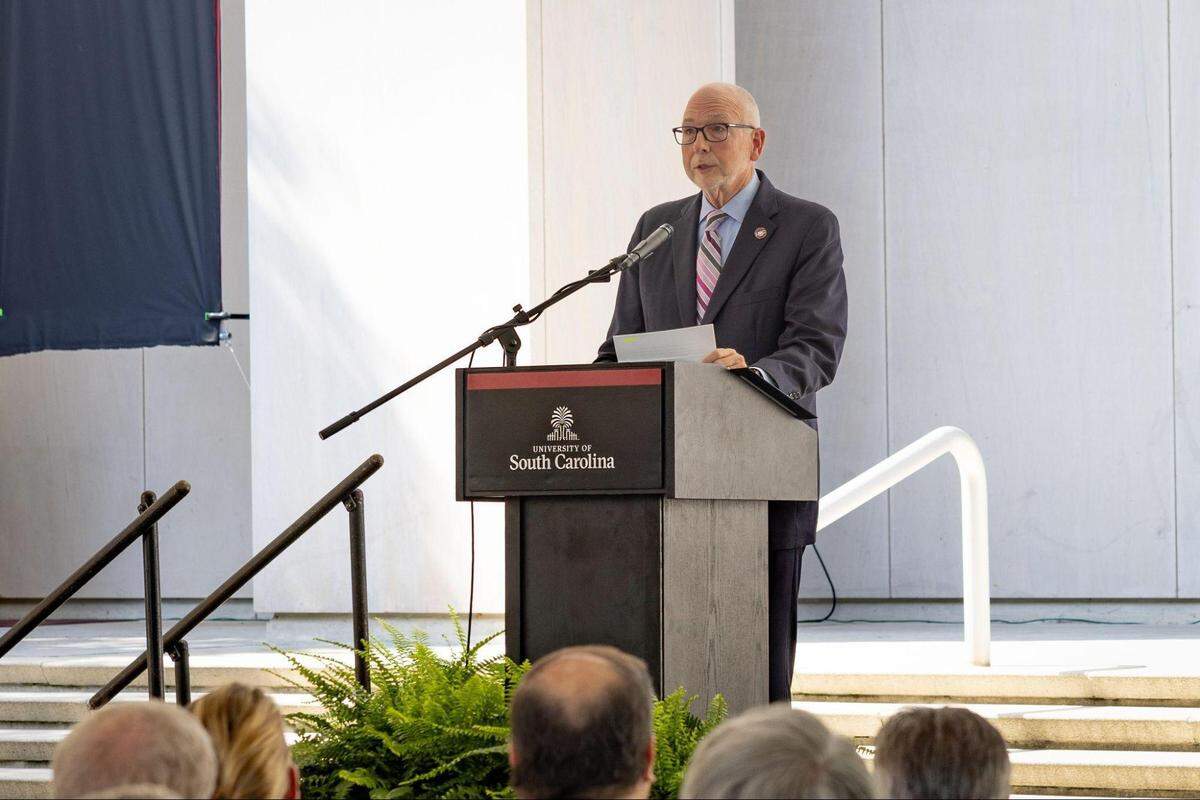
Freed from the cadence of earnings calls, Molinaroli has immersed himself in the machinery of talent production. Universities, he argues, mirror the factories and supply networks he once optimized, and are not mere classrooms, but high-stakes systems where inputs like curricula and faculty determine outputs in innovation, jobs, and competitiveness. His recent $30 million investment in USC’s College of Engineering and Computing — now bearing the Molinaroli name — exemplifies this shift, but it’s framed less as philanthropy than as applied engineering to public institutions.
The funds he committed to USC will seed new programs in advanced manufacturing, energy systems and intelligent infrastructure, and also recruit top faculty. Molinaroli’s role extends to strategy sessions with college leaders to align academic curriculum with industry demand. “Relevant education draws students and employers, employers fuel research, and research elevates the institution, creating self-reinforcing regional growth,” he reasons.
Recent events, like the college’s hosting of an advanced nuclear summit with the Palmetto Nuclear Coalition — where Molinaroli is a Board Member and co-chairs the Executive Leadership Council — highlight the interplay of education feeding workforce needs in emerging sectors like clean energy.
Molinaroli’s footprint spans beyond South Carolina. In Milwaukee, where Johnson Controls was headquartered, he served on the Milwaukee School of Engineering’s Board of Regents, supporting curricula changes amid manufacturing’s digital pivot. He co-chaired the United Way of Greater Milwaukee and Waukesha County’s 2015 campaign, bridging philanthropy with community workforce stability. As director of the Johnson Controls Foundation, he directed resources toward education and innovation long before his exit as CEO. USC’s focus is now aligning with South Carolina’s priorities in nuclear, manufacturing and infrastructure areas.
According to Molinaroli, he also supports individual students through direct tuition aid and mentoring, blending systemic reforms with personal levers of opportunity. “Targeted interventions where engineering logic meets public good can make a difference, one step at a time,” Molinaroli says. He believes American technical education is held back by a structural mismatch between what institutions teach, what employers need, and who can afford to access high‑quality, hands‑on training. “The result is a persistent skills gap, chronic under‑supply in key technical occupations, and uneven participation across class and geography,” he says.
In Molinaroli’s calculation, the metrics have changed. No longer revenue, EBITDA and cash flow growth but graduation rates, research successes and jobs secured and retained. Johnson Controls taught him to build for endurance; now, he’s applying it to the institutions he is supporting. Molinaroli sees his effort as a laboratory for social change because education for him is not the filling of a pail, but the lighting of a fire.
Members of the editorial and news staff of miamiherald.com were not involved with the creation of this content. All contributor content is reviewed by miamiherald.com staff.
This story was originally published January 8, 2026 at 9:00 AM.