Finding an LSAT prep course that actually works shouldn’t feel like another test.
With 176,000 students recently sitting for the Law School Admission Test, all competing for the same coveted law school spots, a strong prep course can be the difference between a low test score and one that opens real doors.
The two names I kept hearing were Blueprint and 7Sage, and after testing both, I get why. They share the same goal but go about it in completely different ways. Here’s what I learned about each, and how to figure out which one matches your study style best.
Blueprint or 7Sage LSAT: Which One Fits Your Study Vibe?
- If you’re a visual learner, Blueprint’s video-based lessons and adaptive study planner keep you organized and engaged.
- If you prefer structure, Blueprint’s live classes and instructor support make staying consistent easier.
- If you’re on a tight budget, 7Sage’s Core or Live plans offer strong value for self-motivated students.
- If you want a guaranteed score increase, Blueprint’s 170+ Course gives you that added layer of confidence.
- If community is your priority, 7Sage has one of the most active LSAT forums around.
- If you’re aiming for law school scholarships, Blueprint’s analytics and coaching help maximize every point.
Quick Take: Blueprint vs. 7Sage LSAT
If you’ve ever opened your laptop after a long day and thought, “I can’t study another section tonight,” you already know what matters most in LSAT prep: staying consistent. I tested both Blueprint and 7Sage to see which one actually helps with that.
Blueprint made it easier to keep going with short lessons, a flexible planner, and feedback that feels useful, not overwhelming. 7Sage gives you tons of content and freedom, but it demands more self-discipline. So the real question is, do you want structure that supports you, or freedom that tests your focus? Let’s break things down.
Blueprint LSAT Prep: Modern Prep That Actually Works

Blueprint LSAT Prep has been around for years, but it still feels modern compared to other top LSAT courses. When I tested it, the setup felt easy to use and thoughtfully built for real students. The dashboard is simple, lessons flow naturally, and the visuals make tough concepts click faster.
The video lessons are short but packed with examples that make logical reasoning and reading comprehension feel doable. You can move at your own pace without feeling lost or stuck.
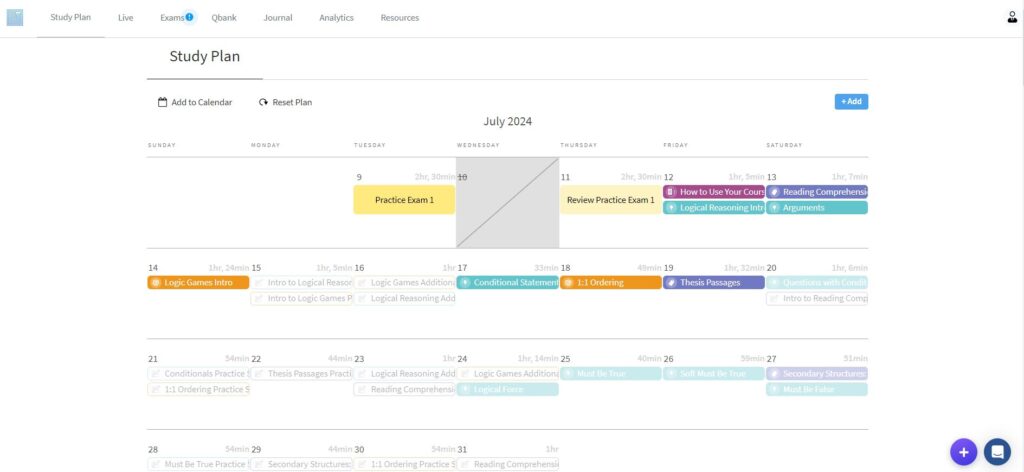
The study planner was what made it stand out for me. I added my test date, and it built a schedule that adjusted automatically when I had to move things around for work. That flexibility made studying feel sustainable. I also liked how the analytics highlighted what I was actually missing instead of flooding me with data. It was very helpful, saved me time, and made me focus on improving weak spots.
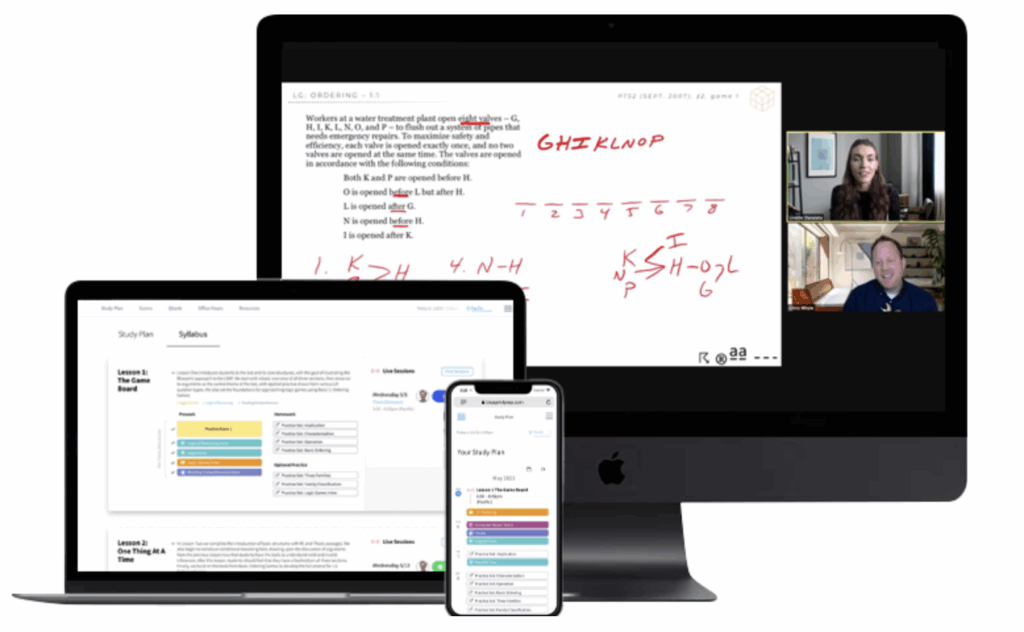
Overall, Blueprint LSAT feels organized, adaptable, and easy to stick with; the kind of course that makes steady progress feel realistic, even when life’s busy.
Which Blueprint Package Suits You?
- Blueprint Self-Paced Course: 61+ video lessons and a smart study planner that fits your timeline.
➡️ Best for students who want total flexibility. - Blueprint Live Online Course: Real-time classes with 98th-percentile instructors, plus adaptive tools and full LawHub integration.
➡️ Best for learners who need structure and instructor support. - Blueprint 170+ Course: Intense prep with small-group coaching, advanced analytics, and a score guarantee.
➡️ Best for students targeting 170+ and top law schools. - Blueprint Tutoring: One-on-one sessions with 99th-percentile tutors and custom study plans.
➡️ Best for students who want personalized prep and accountability.
See my full review of Blueprint LSAT.
💬 “…Being someone who is busy, I took the Live Online Course with Spencer Robins and Sam Fox (they have different accommodations for different schedules) and I must say they are truly incredible tutors.”
Student Feedback.
Blueprint Features
- An adaptive study planner that adjusts to your test date and schedule
- Over 6,000 real LSAT questions and 57 official practice exams
- AI-powered Qbank that identifies weaknesses
- Interactive modules with quizzes and short-form lessons
- Analytics that track timing, accuracy, and question type
- Integrated LawHub access for official materials

Pros
- Comprehensive Structure: Covers every LSAT concept through interactive lessons and real exam questions.
- Flexible Learning: Switch between self-paced and live options without losing progress.
- Real Data Tracking: Analytics pinpoint your weakest areas and show where to focus.
- Top-Tier Instruction: All classes are taught by 98th–99th percentile instructors.
- Score Guarantees: Each main course includes a clear, built-in score improvement promise.
Cons
- Requires Commitment: The sheer amount of material can feel overwhelming for casual learners.
💬 “Blueprint was a lifesaver! Blueprint helped me so much in prepping for the LSAT. It’s methodical approach meant that no question was too hard and the online version allowed me to go at my own pace with my busy schedule. The instructors were great and the customer service was spectacular. My score was raised 15 points and I give all the credit to Blueprint!”
Student Feedback.
Blueprint LSAT Prep
7Sage LSAT Prep: Self-Paced and Packed with Content

7Sage LSAT was created by former test takers who wanted a simpler, no-nonsense way to study, and that’s exactly how it feels. When I tested it, everything was direct and easy to jump into. The video lessons are short, focused, and cover every logical reasoning and analytical reasoning question ever released.
The adaptive scheduler helps you stay on track, automatically adjusting when you fall behind. It’s not as sleek as Blueprint’s planner, but it still keeps you moving. I liked that I could log in, watch a quick lesson, do something else, and pick up right where I left off without feeling lost.
The community is one of the biggest perks. Thousands of students share real test-day experiences, study habits, and honest score updates. It feels supportive, even if it gets a little chaotic at times.
Overall, 7Sage LSAT is packed with great content and realistic practice tools. It’s best for independent learners who want depth and flexibility over polish, the kind of prep that feels real, not scripted.
Which 7Sage Package Suits You?
- 7Sage Core Plan: 900+ lesson videos + adaptive scheduler + full analytics.
➡️ Best for self-motivated learners who prefer to go solo and move fast. - 7Sage Live Plan: Adds daily live classes, group study, and recorded sessions.
➡️ Best for affordable live instruction, though fewer bells than top-tier alternatives. - 7Sage Coach Plan: Adds two monthly 45-minute tutoring sessions + weekly check-ins.
➡️ Best for those who want some personal guidance on a budget.
Learn more about 7Sage LSAT courses in this review.
💬 “The material is very comprehensive and clearly well-researched, however it struggles to target different types of learners. If you have the package where you can watch the live lessons then this may not be a limitation for you”
Student Review“.
Best Features
- 900+ short videos with written explanations
- Adaptive study scheduler
- Detailed analytics for timing and accuracy
- 60+ weekly live classes and 3,000 recordings
- Online community with active forums and study groups
Pros
- Depth of Content: Every question ever released by the admissions council is explained.
- Strong Analytics: You can track timing, accuracy, and question types in detail.
- Active Community: A large forum where students help each other.
- Flexible Access: Live + recorded classes plus self-paced options.
Cons
- Basic Interface & Experience: The platform works, but compared to Blueprint, it looks and feels less polished.
- Less Structure if You Need It: If you rely on live, instructor interaction and built-in accountability, 7Sage gives less than Blueprint.
- Heavy Self-Motivation Required: Because the content volume is large and the guidance lighter, students who need more hand-holding report slower progress.
💬 “I enjoy this course, I like that is is broken down into small bits to be more digestible. For questions I wish the wrong answers choices are explained in a little more detail but overall I think this course is incredibly helpful.”
Student Feedback.
7Sage LSAT Prep
Blueprint vs 7Sage Feature Comparison
| Feature |  |  |
| Price | $99/Month-$4,319 | $69-$399/month |
| Course Format | Mix of live classes, self-paced, and tutoring options | Mostly self-paced with daily live classes |
| Curriculum | Interactive video lessons + adaptive planner | Video and written explanations for all LSAT questions |
| Analytics | Tracks progress, weak areas, and timing in detail | Basic tracking for accuracy and timing |
| Study Planner | Fully adaptive; adjusts when you’re busy | Simpler layout; manual updates needed |
| Practice Tests | 57 official LSAC practice tests with analytics | Import practice tests via LawHub |
| Live Classes | 30–60 hours taught by expert tutors | 60+ live classes weekly, group format |
| Score Guarantee | Includes a score increase guarantee | None offered |
| Community | Instructor-led groups and private chat | Large student forum and peer help |
| Interface | Modern, clean, and intuitive | Functional but dated |
| Best For | Structured learners who want accountability | Independent learners who prefer studying solo |
| Get Started | Start Now | Start Now |
Both Blueprint and 7Sage aim to help students crush the Law School Admission Test, but they take different routes to get there.
Blueprint leans on structure, adaptive tech, and guided lessons, while 7Sage keeps things simple with deep content and a strong student community.
Here’s the real head-to-head look at how they compare in design, tools, teaching, and value, the stuff that actually matters when you’re choosing an LSAT prep course.
First Impressions: Style vs. Substance
Blueprint: The interface looks modern and easy to follow. The study plan automatically adjusts if you move your test date, and the short video lessons make studying manageable even on busy days.
7Sage: The layout is simple, but it’s straightforward to use. Everything centers on content, tons of video explanations, and written lessons for anyone who cares more about substance than design.
Winner: Blueprint – it’s far more organized visually.
Study Tools and Practice Tests: Hands-On Prep That Matters
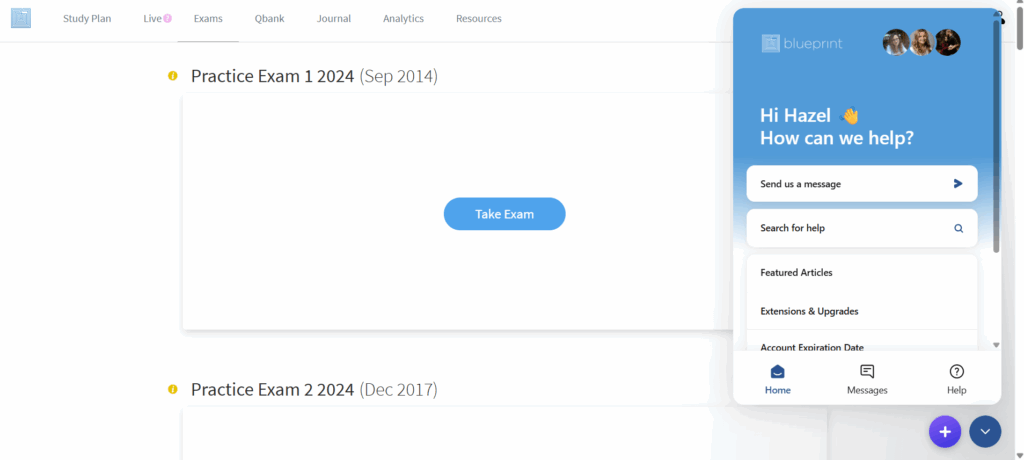
- Blueprint: Includes 57 official LSAC practice tests, plus adaptive analytics that track progress and highlight weak areas automatically. It’s easy to run a test, review mistakes, and see where to focus next.
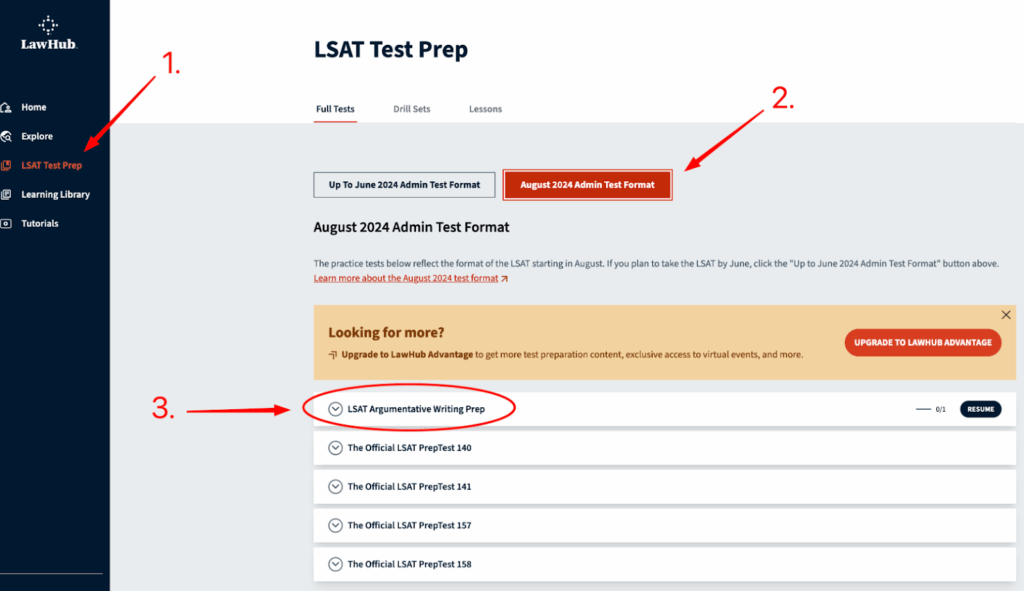
- 7Sage: Uses LawHub integration for official practice tests and provides strong analysis tools. It’s thorough but requires more self-tracking since updates aren’t automatic.
Winner: Blueprint – its tracking tools save time, but 7Sage’s coverage is equally reliable if you like manual control.
Class Energy: Real Interaction vs. Variety Overload
- Blueprint: Includes 30–60 hours of live classes led by top-scoring tutors. Sessions move at a steady pace and focus on applying strategies during class, which helps with accountability.
- 7Sage: Runs 60+ live classes each week with rotating instructors and different levels. You can drop in whenever, though consistency depends on which sessions you attend.
Winner: Tie – Blueprint’s consistency helps structured learners, while 7Sage’s flexibility fits independent schedules.
Analytics and Feedback: Knowing Where You Stand
- Blueprint: Offers clear, automatic feedback on timing, accuracy, and performance. The analytics make it easy to see what’s improving and what still needs work.
- 7Sage: Delivers detailed numbers on accuracy and speed, but leaves the interpretation to you. It’s great for detail-oriented students who like to dig into data themselves.
Winner: Blueprint – more guidance and automation, though data-focused students may prefer 7Sage’s transparency.
- Blueprint: Keeps communication structured through study groups and instructor access. It’s calm, focused, and ideal for learners who want quick answers without distraction.
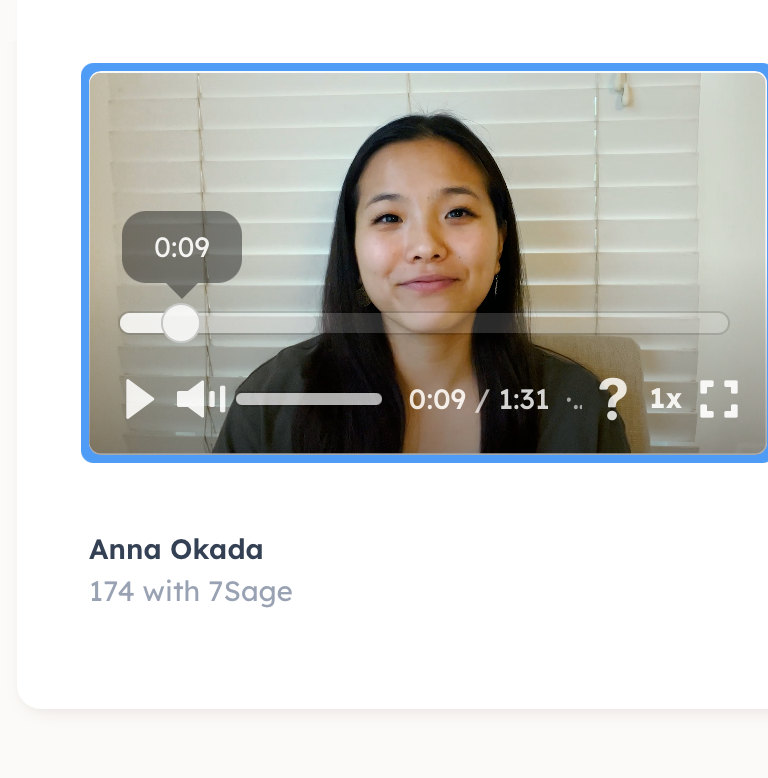
- 7Sage: Known for its massive online forum, thousands of students share study tips, practice scores, and test-day advice. It feels like a study group that never sleeps.
Winner: 7Sage – stronger peer community and real-time support from other test takers.
Value and Access: What You Actually Get for Your Money
- Blueprint: Offers self-paced and live courses with adaptive features, instructor support, and a score increase guarantee. It’s more structured and guided, but costs more upfront.
- 7Sage: Lower monthly cost, full core curriculum, and plenty of live classes, though no personalized coaching or guarantees.
Winner: Depends on your needs – Blueprint if you want structure and built-in accountability, 7Sage if you want affordability and flexibility.
My Final Verdict
Both courses are strong, but they work for different study styles. 7Sage is great if you like to learn independently and want tons of explanations to dig through.
Blueprint just feels easier to keep up with. The lessons connect smoothly, the planner keeps things organized, and it takes less effort to stay consistent. For most students, that structure makes a bigger difference when it counts.
Like my favorite LSAT prep course that keeps things organized and flexible?
FAQs
Blueprint’s core curriculum blends videos, live classes, and smart analytics that help students track progress and pinpoint weak areas, all while studying at their own pace.
Yes. Blueprint offers both self-paced plans for independent learners and classes taught by 98th-percentile tutors. You can switch formats anytime without losing course access.
7Sage’s LSAT preparation relies heavily on video explanations and a massive curriculum covering the basics and every reading comprehension concept, but it lacks a score increase guarantee like Blueprint’s.
In my experience, Blueprint’s LSAT course is more structured and easier to follow. The analytics and practice exams help you focus on the exam sections that need real improvement.
If you want structured prep, adaptive tools, and top LSAT tutors, Blueprint’s program is worth it. It helps students commit, stay consistent, and prepare effectively for law school admission.