
If you want to work with solar PV systems, design basics, installation concepts, or energy projects, the right training can make a big difference.
That’s especially true now, with solar accounting for 54% of new electricity-generating capacity added to the U.S. grid in 2025.
The challenge is knowing which course is actually worth your time.
I reviewed the top solar training programs to see which ones offer clear instruction, practical skills, and an easy-to-follow course experience. Here’s how the best options compare.
Best Solar PV Courses at a Glance
- Green Training USA: Best overall for certification and long-term solar career growth
- Solar PV Training: Best for learning solar fundamentals and system components
- Solar Energy International: Best for structured, career-focused training
- NFPA: Best for safety standards and National Electrical Code training
- ImmerseLearn: Best for hands-on, real-world solar training with VR
- Solairgen: Best advanced solar PV course for energy storage and system design
| Solar PV Course Comparison | ||
 |
| LEARN MORE |
 |
| LEARN MORE |
 |
| LEARN MORE |
 |
| LEARN MORE |
 |
| LEARN MORE |
 |
| LEARN MORE |
1. Green Training USA: Best Overall Solar PV Course
When I tested Green Training USA, it immediately stood out as one of the most complete solar training programs available. This isn’t just a basic solar energy course; it’s built for people who are serious about entering the PV industry or advancing to higher-level certifications.
NABCEP prep is not cheap, and Green Training USA discount codes regularly take a chunk off the bundled solar track.
The 58-hour NABCEP Advanced PV Certification Training combines foundational solar fundamentals with advanced system design and installation training. I liked that it’s structured in two phases: first covering the basics of solar PV systems, then moving on to more complex topics such as the National Electrical Code and commercial PV systems.
This course goes beyond theory. It focuses heavily on real-world experience, safety standards, and preparing you for actual PV installation work.
- 58 hours of NABCEP-approved training
- Covers solar photovoltaics, system design, and installation
- Includes practice exams and instructor support
- Focus on NEC, safety, and electrical engineering
- Self-paced with lifetime review access
- 300% satisfaction guarantee
Pros
✅ Built specifically for NABCEP certification and real solar career paths
✅ Includes instructor access for a deeper understanding of complex topics
Cons
❌ Higher upfront cost compared to most online courses
❌ Material can be overwhelming at first
Bottom Line
If your goal is to build a long-term career in solar, this is the most complete course I have tested. It combines foundational knowledge with advanced concepts in a way that prepares you for both certification and real work in the field. While the upfront cost is higher than most online courses, the depth and structure justify the investment. I would recommend it for anyone serious about entering the solar industry or advancing into higher-level roles.
2. Solar PV Training: Best for Beginners

Solar PV Training is clearly designed for beginners, and that shows in how the material is presented. When I reviewed it, I worked through the lessons on system components, load analysis, and grid connections. The course does a good job of breaking down complex ideas into manageable sections, which makes it easier to understand how solar systems actually function.
I also liked that it includes practical topics like site assessment and financial considerations, which are often skipped in beginner courses. The inclusion of quizzes and labs helped reinforce the material, although the overall depth is still limited. It felt like a strong foundation, but not something that would fully prepare you for certification or advanced system design.
This is ideal if you want to understand how solar systems work before committing to more advanced training.
- 10-hour course with textbook included
- Covers the basics of electricity and PV systems
- Includes quizzes, labs, and discussion groups
- Focus on system components and installation basics
Pros
✅ Strong introduction to solar energy systems and system components
✅ Includes structured lessons, labs, and quizzes for better understanding
Cons
❌ Not enough depth for solar installation or advanced PV system design
❌ Better as a foundation than a complete training solution
Bottom Line
If you are completely new to solar, this is one of the best starting points I’ve tested. It builds a clear understanding of how systems work without overwhelming you. However, it is not a complete training solution and will need to be paired with a more advanced course for certification. I would recommend it for beginners who want a structured introduction before moving on to deeper training.
3. Solar Energy International: Best for Career Launch

Solar Energy International’s course felt much closer to a formal training program than most online options. When I reviewed the curriculum, I spent time going through the system design and performance estimation sections, which were noticeably more detailed than other courses. The content focuses heavily on real-world applications, including wiring, grounding, and inverter selection, which are critical for anyone entering the installation side of the industry.
Solar Energy International’s PVOL101 course feels like a true gateway into the solar industry. When I reviewed the curriculum, I noticed how much emphasis it places on real-world applications and system design.
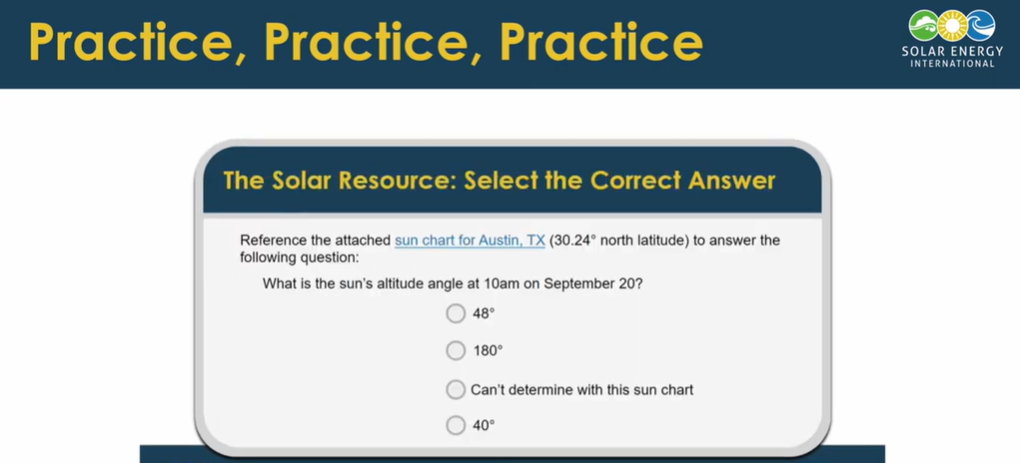
The structured format also stood out. Unlike self-paced courses, this one requires a consistent time commitment over several weeks. While testing it, I could see how this structure helps reinforce learning, but it also makes the course more demanding. If you do not have a basic understanding of electrical concepts, some sections may feel challenging at first.
- 6-week structured program
- Focus on system design and installation
- Covers grid-tied solar systems and performance
- Strong emphasis on electrical engineering concepts
Pros
✅ Well-structured course aligned with real solar industry workflows
✅ Strong focus on system design, grid integration, and installation
Cons
❌ Requires a higher time commitment than self-paced options
❌ Can feel overwhelming without basic electrical knowledge
Bottom Line
If you are serious about launching a career in solar, this course provides the structure and depth needed to build real skills. It is more intensive than most online programs, but that also makes it more effective. The time commitment may not work for everyone, especially beginners with no background. I would recommend it for learners who are ready to commit and want a more career-focused training experience.
4. NFPA: Best for Safety and Code Training

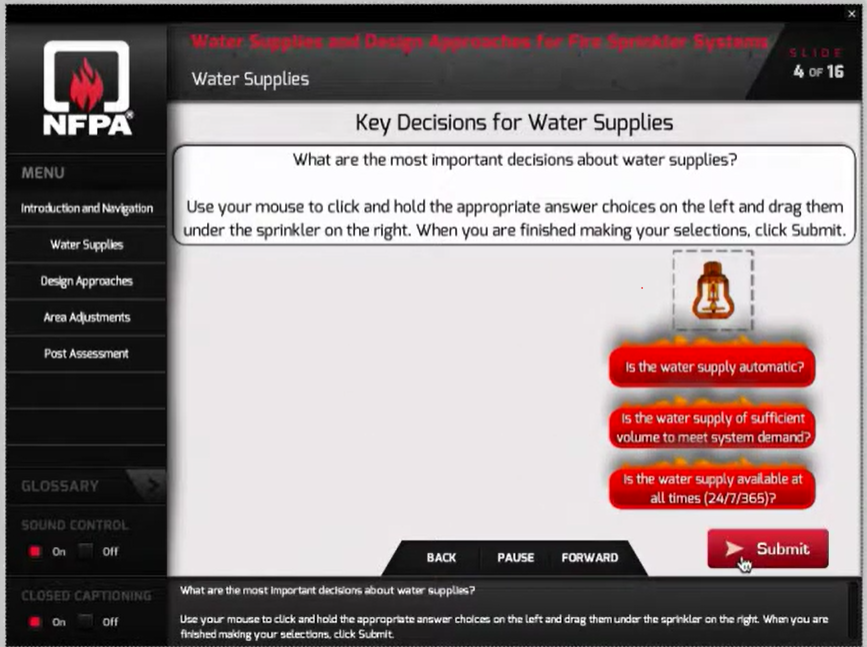
NFPA’s training focuses specifically on safety standards and code compliance, which are critical in the solar industry. When I reviewed the course, I spent time going through the modules on the National Electrical Code and energy storage systems. The content is direct and focused, with a strong emphasis on identifying risks and understanding how to prevent them.
This course is much shorter than others, but that is intentional. It does not try to cover everything about solar systems. Instead, it focuses on safety and compliance, which are often overlooked but essential for anyone working with PV systems. It felt more like a targeted training module than a full course.
- Covers NEC and electrical safety standards
- Includes energy storage systems training
- Short, focused modules (4 hours total)
- CEU credits available
Pros
✅ Strong focus on safety standards and National Electrical Code compliance
✅ Essential knowledge for professionals working with PV systems
Cons
❌ Not a complete solar PV course on its own
❌ Limited focus on system design or installation
Bottom Line
This is a valuable supplement for anyone working in solar installation or maintenance. It provides critical knowledge that is necessary for working safely and meeting industry standards. However, it is not a complete training program and should not be used on its own. I would recommend it as an add-on to a more comprehensive solar course.
5. ImmerseLearn: Best Hands-On Solar Training

ImmerseLearn is one of the most unique solar training programs I’ve tested because it uses virtual reality instead of traditional video lessons. When I explored the platform, I focused on the simulation-based modules that walk you through system design, installation, and maintenance tasks. The experience feels much closer to real work compared to standard online courses.
The biggest advantage is how interactive the training is. Instead of just watching content, you are actively working through scenarios, which helps reinforce what you are learning. However, the program requires a higher level of commitment, both in terms of time and cost. It is not as flexible as self-paced courses, and the price point may not be accessible for everyone.
- VR-based hands-on training
- Covers installation, maintenance, and troubleshooting
- Includes OSHA certification
- Focus on real-world experience
Pros
✅ Hands-on training using VR for real-world solar experience
✅ Covers installation, maintenance, and system design
Cons
❌ High cost compared to traditional online courses
❌ Requires commitment to a structured program
Bottom Line
If you want hands-on experience without being in the field, this is one of the most effective options available. The immersive format makes it easier to understand how solar systems actually work in practice. However, it is a significant investment and may not be necessary for beginners. I would recommend it for serious learners who want practical experience as part of their training.
6. Solairgen: Best Advanced Solar PV Course

Solairgen’s course is clearly designed for learners who already understand the basics of solar energy. When I reviewed it, I spent time working through the sections on energy storage systems, battery backup, and off-grid applications. The content goes deeper into system design than most courses, especially when it comes to integrating storage and optimizing performance.
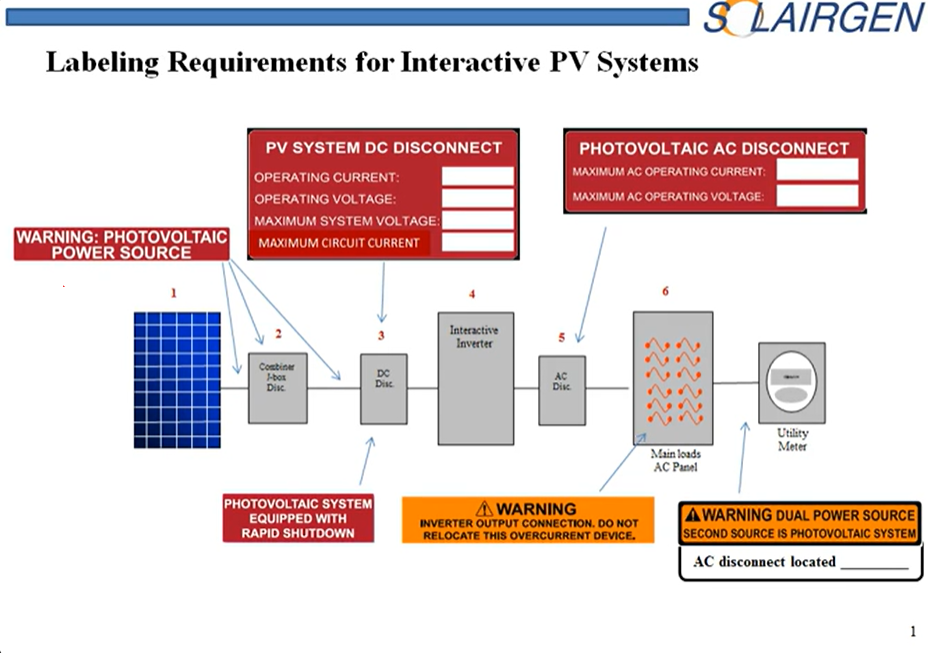
This course felt more technical than others on the list. It assumes you are already familiar with core concepts, which allows it to focus on more advanced topics. While testing it, I noticed that the material is well organized and practical, but it would likely feel overwhelming for beginners without prior experience.
- Focus on energy storage systems and design
- Covers off-grid and hybrid systems
- Includes NEC requirements
- Self-paced with 24/7 access
Pros
✅ Strong focus on energy storage systems and advanced PV design
✅ Flexible self-paced format with extended access
Cons
❌ Requires prior knowledge of solar fundamentals
❌ Too specialized for beginners entering the solar industry
Bottom Line
If you already have a foundation in solar and want to move into advanced system design, this is a strong next step. It focuses on specialized topics that are becoming increasingly important in the industry, especially energy storage. However, it is not suitable for beginners and should not be your first course. I would recommend it for experienced learners looking to deepen their expertise.
Honorable Mentions
While the courses above stood out as the best overall options, a few others are worth considering depending on your goals, budget, and experience level.
NABCEP Associate Training Programs
If your goal is certification, NABCEP-aligned courses are worth exploring. These programs are designed specifically to prepare you for the NABCEP Associate exam and are often offered through approved training providers.
Coursera Solar Energy Courses
Platforms like Coursera offer university-backed solar courses that are ideal for beginners or those exploring renewable energy. They’re flexible and affordable, but less focused on job-ready, hands-on skills.
How I Ranked the Best Solar PV Courses
| Category | Weight |
|---|---|
| Course Content Depth | 25% |
| Real-World Application | 20% |
| Flexibility & Format | 15% |
| Instructor Support | 15% |
| Value for Price | 15% |
| Certification Potential | 10% |
Courses ranked higher if they provided hands-on training, strong system design coverage, and alignment with industry standards.
How to Choose the Best Solar PV Course for You
Learning Style
If you prefer structured learning, go with Solar Energy International. If you want to learn at your own pace, Udemy or Solairgen are better options.
Career Goals
For a new career in solar installation, Green Training USA or Immerselearn are stronger choices. For general knowledge, beginner courses work fine.
Budget
Budget-friendly learners should start with Solar PV Training, while premium programs offer deeper knowledge and career benefits.
Certification
If you’re aiming for NABCEP certification, choose a course that aligns with exam requirements like Green Training USA.
Final Thoughts
From my experience, Green Training USA stands out the most to seriously prepare you for your exam—and the real-world career you unlock once you pass. However, Solar PV Training is a good way to learn solar fundamentals and system components.
No matter which course you choose, the key is consistency. Build your understanding, practice your skills, and stay committed to learning. That’s what leads to success in the rapidly growing solar industry.
FAQs
A solar PV course teaches how solar photovoltaic systems work, including system design, installation, and maintenance.
It can range from a few hours (basic courses) to several weeks or months for advanced training programs.
Not always, but certifications like NABCEP can significantly improve your job prospects.
Yes, the solar industry is experiencing exponential growth, offering strong job opportunities and long-term stability.
Yes, many high-quality online courses allow you to learn at your own pace and gain valuable skills for the PV industry.

![Aceable Promo Code [Verified October 2026 Discounts]](https://www.miamiherald.com/careers-education/wp-content/uploads/sites/2/2026/10/aceable-promo-code-mh-1024x768.jpg)

![National Council on Strength and Fitness (NCSF) Coupon Codes [Verified Discounts]](https://www.miamiherald.com/careers-education/wp-content/uploads/sites/2/2026/10/ncsf-promo-code-mh-1024x768.jpg)
![Course Hero Promo Code [Verified Discounts]](https://www.miamiherald.com/careers-education/wp-content/uploads/sites/2/2026/10/course-hero-promo-code-mh-1024x768.jpg)
![Learn Laugh Speak Promo Code [Verified Coupons]](https://www.miamiherald.com/careers-education/wp-content/uploads/sites/2/2026/10/learn-laugh-speak-promo-code-mh-1024x768.jpg)
![Education.com Coupon Code [Verified Discounts]](https://www.miamiherald.com/careers-education/wp-content/uploads/sites/2/2026/10/education-com-promo-code-mh-1024x768.jpg)