
DeSantis, king of manufactured outrage, calls out NAACP for what he does best | Opinion
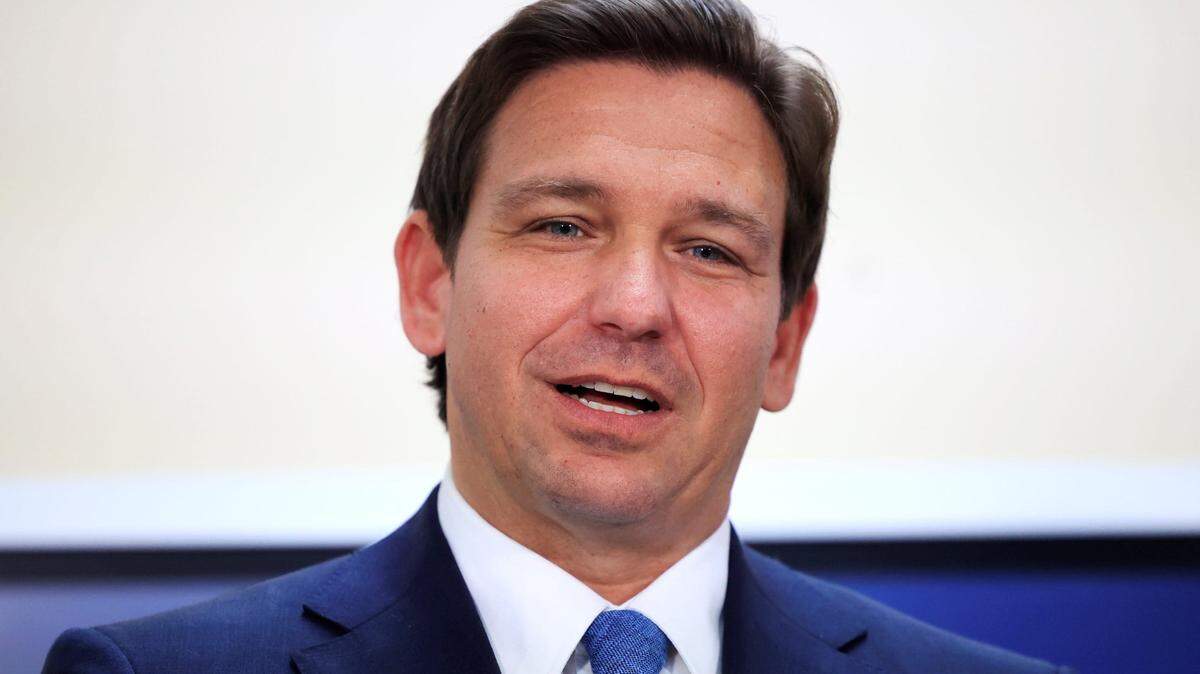
Let’s just say it takes one to know one.
For the expert of grabbing attention by shipping unsuspecting migrants to an island, launching high-profile battles against Disney, gender pronouns and drag queens, every grievance is a chance to make Gov. DeSantis the topic of conversation.
It’s just plain ironic that DeSantis and his office called it a “stunt” that one of the nation’s most prominent civil-rights organizations issued a “travel advisory” in light of Florida’s targeting diversity efforts at state colleges, LGBTQ people and immigrants. Puh-leeze.
The NAACP issued the advisory on Saturday cautioning visitors about coming to Florida because the state has engaged in an “all-out attack on Black Americans.” The document listed laws limiting classroom discussions about race, banning abortions, targeting the LGBTQ community, as well as a “culture of fear, bullying and intimidation by public officials.”
“This is a stunt to try to do that. It’s a pure stunt and fine, if you want to waste your time on a stunt, that’s fine. But I’m not wasting my time on your stunts,” DeSantis said in March when the NAACP Florida State conference voted unanimously to ask the national organization to issue the advisory. After the NAACP’s Saturday announcement, DeSantis’ press secretary tweeted a GIF of his remarks.
Other groups issue call
Last Wednesday, the League of United Latin American Citizens (LULAC), one of the oldest and largest Hispanic civil rights group in the United States, issued another warning. The group advised immigrants and their families to avoid the Sunshine State after DeSantis signed a bill that, among other things, cracked down on people who transport undocumented immigrants into the state. In April, Equality Florida, an LGBTQ advocacy group, issued a similar alert.
These organizations are unlikely to persuade the thousands of visitors looking forward to trips to Florida over Memorial Day weekend to change their plans. Successful boycotts — which is what the advisories appear call for without spelling it out — are laser-focused and well organized, if not organic.
In the early 1990s, Black businesses and organizations led a three-year boycott of Miami after elected officials snubbed South African leader Nelson Mandela’s visit because he expressed support for Fidel Castro. Many Black-owned businesses refused to come to Miami and the National Bar Association’s 1993 convention was among the events canceled. The boycott cost Miami about $50 million, according to The Washington Post, and forced white and Hispanic leaders to respond to demands for more representation from Black citizens. It worked because Black Miamians had specific goals and it ended when boycott leaders declared they were met.
Success unlikely
By comparison, asking for visitors to avoid the nation’s third-largest state — anywhere from rural North Florida to South Florida communities like Miami Beach that often are at odds with the governor and the Legislature — looks like a bigger lift. It also begs the question: How and when will these organizations declare victory or lift their advisories given that the laws DeSantis signed aren’t going to be rescinded anytime soon, if ever?
Perhaps DeSantis has a point. This all could be a “stunt.” But it is small potatoes given the extremes to which DeSantis has led Florida. The real problem is how our governor has antagonized any group deemed the “other,” how he stoked racial animosity, appropriated a word long used by African Americans, “woke,” and transformed it into an enemy that America must destroy. The real stunt is how he has successfully distracted Floridians from issues that impact them the most, like skyrocketing property insurance premiums.
If anything, these so-called “stunts” are a sign of exasperation, a sign that there’s no compromise or empathy in DeSantis-land. They pull a page straight out of his own playbook: Do something over the top to earn a spot on prime time. If anything, they remind Americans still learning about DeSantis what Florida has become under this presumed presidential hopeful.
BEHIND THE STORY
MOREWhat's an editorial?
Editorials are opinion pieces that reflect the views of the Miami Herald Editorial Board, a group of opinion journalists that operates separately from the Miami Herald newsroom. Miami Herald Editorial Board members are: opinion editor Amy Driscoll and editorial writers Isadora Rangel and Mary Anna Mancuso. Read more by clicking the arrow in the upper right.
What's the difference between an op-ed and a column?
How does the Miami Herald Editorial Board decide what to write about?
The Editorial Board, made up of experienced opinion journalists, primarily addresses local and state issues that affect South Florida residents. Each board member has an area of focus, such as education, COVID or local government policy. Board members meet daily and bring up an array of topics for discussion. Once a topic is fully discussed, board members will further report the issue, interviewing stakeholders and others involved and affected, so that the board can present the most informed opinion possible. We strive to provide our community with thought leadership that advocates for policies and priorities that strengthen our communities. Our editorials promote social justice, fairness in economic, educational and social opportunities and an end to systemic racism and inequality. The Editorial Board is separate from the reporters and editors of the Miami Herald newsroom.
How can I contribute to the Miami Herald Opinion section?
The Editorial Board accepts op-ed submissions of 650-700 words from community members who want to argue a specific viewpoint or idea that is relevant to our area. You can email an op-ed submission to oped@miamiherald.com. We also accept 150-word letters to the editor from readers who want to offer their points of view on current issues. For more information on how to submit a letter, go here.
This story was originally published May 22, 2023 at 6:18 PM with the headline "DeSantis, king of manufactured outrage, calls out NAACP for what he does best | Opinion."