
Cuban biologist turned farmer becomes target of Castro regime
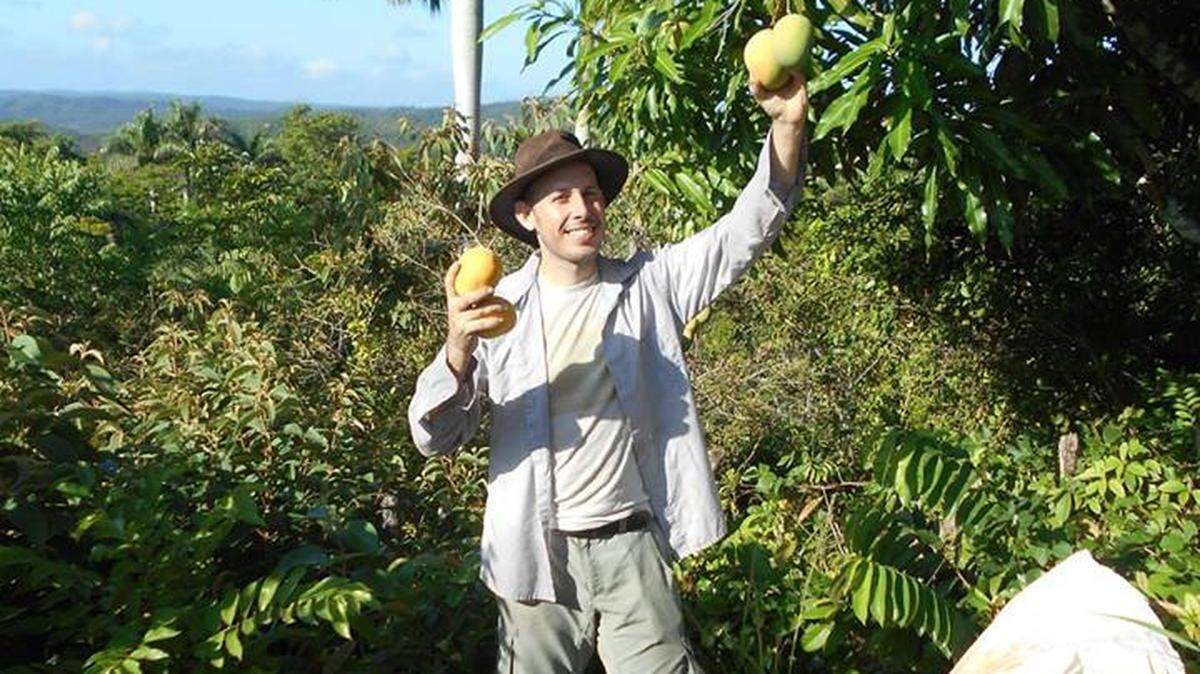
First they fired him from the university. Now they want to take his farm.
Cuban biologist Ariel Ruiz Urquiola, fired from the University of Havana because of his opposition to the Castro government and now running a farm in Pinar del Río province in western Cuba, has been detained since last week. He faces trial on Tuesday for “disrespecting authority.”
Before he was arrested, Ruiz Urquiola reported that “more than five men, officials of the forestry department who did not give their names, burst forcibly into his farm,” opposition activist Ailer González wrote on the website of the opposition Estado de Sats group. They initially accused him of chopping down trees indiscriminately to build a fence around his land, even though he had a permit to build the fence.
Under Cuban law, if he is sentenced to more than six months in prison, he could lose the land he now leases from the government and where he now runs an environmental project to rescue forest species endemic to Cuba.
Calls to Ruiz Urquiola's cellphone were not answered.
His arrest was another step in the harassment the scientist and his family have suffered, which they attribute to their complaints about violations of environmental regulations in the Viñales area of Pinar del Río as well as his political opinions.
“Ariel is a nuisance because he has complained to prosecutors that they are hunting cane rats, that they are cutting down trees, about the contamination of water sources with the waste of pigs,” his sister, Omara Ruiz Urquiola, a professor at a Havana design institute, was quoted as telling the Diario de Cuba digital site. ”The local authorities do nothing. They don't punish those people, apparently because of corruption.”
In an interview published by Estado De Sats in late April, Ruiz Urquiola and his sister complained of “attacks on the farm” and the destruction of farm crops and animals by supposed peasants at the service of State Security agents. “There's an entire operation to harass us, to hunt us down and force us out of that place,” Omara Ruiz Urquiola told the group.
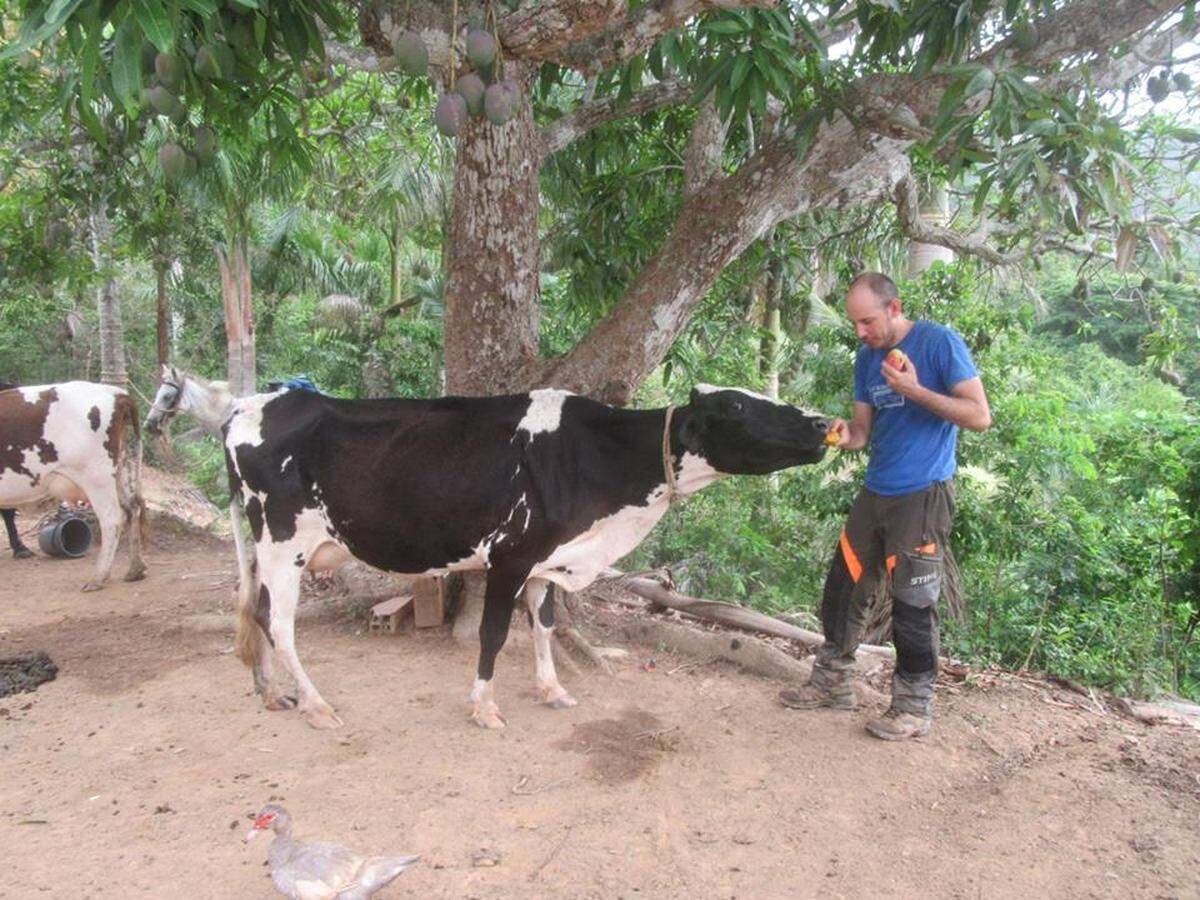
In March, the siblings took two neighbors to court for allegedly trespassing on their land and causing damages, but they were found not guilty. An independent journalist who tried to cover the trial was detained by police.
The trial set for Tuesday appears to be the latest chapter in a long string of harassment suffered by the scientist in recent years.
The problems for Ruiz Urquiola, who specializes in genetics, started with his doctoral thesis on sea turtles, protected around the world but legally fished in parts of Cuba until 2008 under the argument that they were “born” in Cuba. But an investigation published by Ruiz Urquiola and other researchers in an international academic journal reported that 74 percent of the hawksbill turtles fished in Cuba were born elsewhere — in Mexico's Gulf of Campeche or Puerto Rico's Mona Island.
The final approval of his doctorate was blocked for more than a year and the scientist was put to work on a lesser job as punishment for disseminating “confidential” information that damaged the image of Cuba's fishing industry, Ruiz Urquiola said in an interview with opposition activist Antonio Rodiles, who heads Estado de Sats.
The scientist was fired in May of 2016 from the Center for Marine Research at the University of Havana, where he was co-directing a biodiversity project on the Sierra de los Organos mountain range in Pinar del Río, backed by Humboldt University in Germany.
Although the Havana university had signed an agreement with its German counterpart, the Cuban center's director, Silvia Patricia González, accused him of not doing his job and “institutional fraud,” Ruiz Urquiola said in the interview with Rodiles. He accused González and other officials of abuse of power and added that they had forced him to undergo an evaluation of his mental health.
“I don't agree with the political system in Cuba, but that's no reason whatsoever to be punished,” he said.
González, contacted by telephone, said that any interview for this story had to be coordinated with the International Press Center in Havana, which is part of the Foreign Ministry. She is currently taking part in a project with the U.S. National Oceanic and Atmospheric Administration (NOAA) on coral reefs.
After losing his university post, Ruiz Urquiola decided to become a farmer and, with his family, leased government lands in Viñales, planning to turn them into an environmental farm as he carried out post-doctoral studies in Germany. That same year, he staged a hunger strike to demand treatment for his sister, who had cancer. He was arrested three times.
“I have suffered a spiritual pain that alleviates all physical pain. I am trying to run a new kind of environmental farm to expand the genetic pool of Caribbean mahogany and provide … food for my family,” Ruiz Urquiola wrote in an email to el Nuevo Herald in November of 2016. “It's the only option I have for working in Cuba other than construction, which I like but is very different from my profession.”
He named his Viñales farm El Infierno – Spanish for Hell.
This story was originally published May 7, 2018 at 7:10 PM with the headline "Cuban biologist turned farmer becomes target of Castro regime."