
Fighting the flu
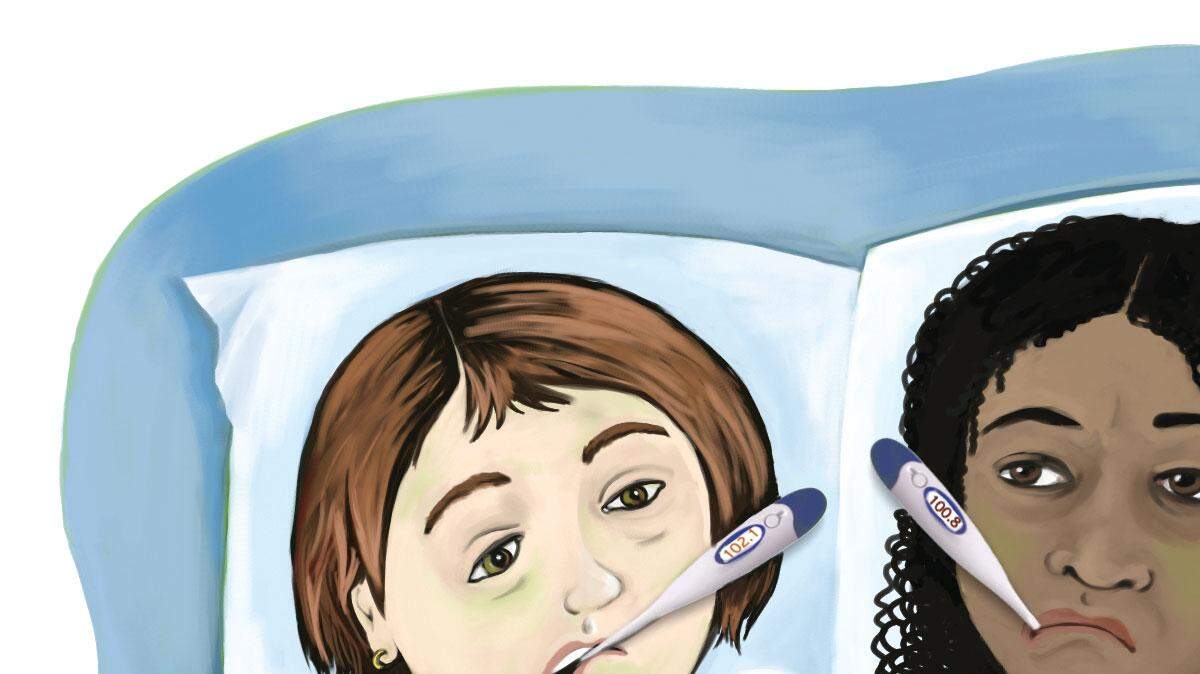
The flu is an infection that can impact people year-round. But as temperatures start to drop, people gather indoors more frequently, making the disease easier to transmit. “The droplets formed from sneezes and coughs help to spread the flu, which is why you see it more commonly during the winter in schools and in other areas where people are close together,” says Kenneth Ratzan, M.D., an infectious disease specialist at Mount Sinai Medical Center in Miami Beach.
The flu is no fun for anyone who gets it, but in some instances, it can get downright deadly. “If your young child has the flu, or if you are elderly or pregnant, on cancer chemotherapy or otherwise immunocompromised, you are at particular risk for having complications of the flu,” says Thomas M. Hooton, M.D., medical director of Infection Control at UHealth –University of Miami Health System. This is why taking action against the flu is so important.
Practice Prevention
When it comes to protecting yourself and others, the first step is to get an annual flu shot. While the flu vaccine is not 100 percent effective, it’s the best tool available for preventing spread of the disease.
“The flu vaccine is updated every year to fight the common strains of flu that are circulating, so you need to get it every year for protection from what’s going around right now,” says Dr. Ratzan. “You’re not only protecting yourself, but protecting others for whom catching the flu can be dangerous or even deadly.”
In addition to the annual vaccine, other steps involve basic respiratory and general hygiene and good old common sense. “Make sure you cover your mouth and nose when you cough or sneeze, wash your hands often and do not go to work if you have the flu,” adds Dr. Hooton.
Telltale Signs
If you catch the flu early enough, the antiviral medication Tamiflu (oseltamivir) can treat the symptoms in order to make you more comfortable while also preventing spread of the illness to those around you. That’s why it’s important to be on the lookout for signs and symptoms of the flu in yourself and your loved ones, particularly children.
Dr. Ratzan says the early signs can include a general malaise: body aches, headaches, fatigue and fever. Before long, the coughing will set in. It can be either a dry or productive cough. The fever often worsens and can even reach as high as 104 degrees.
It’s good to see a doctor as soon as possible to determine if medication is an option for you. Tamiflu is typically only effective within the first 24 to 48 hours of showing flu symptoms. In addition, there are other ways to address the symptoms and get yourself on the way to a speedy recovery. For starters, get plenty of rest and drink lots of fluids. Though these steps seem deceptively simple, they are key to helping you feel better while you are ill and getting you back on your feet, too. Taking over-the-counter pain relievers helps. In most cases, the illness will pass within a few days, but it’s important to seek medical attention, especially if your symptoms worsen.
Common Flu Myths
▪ MYTH: You can catch the flu from the vaccine.
▪ MYTH: The flu is just a bad cold.
▪ MYTH: Feed a cold, starve a fever.
▪ MYTH: Chicken soup will speed your recovery from the flu.
▪ MYTH: You can’t spread the flu if you’re feeling well.
This story was originally published February 1, 2016 at 3:38 PM with the headline "Fighting the flu."