
UM healthcare summit looks at how Trump policies, politics affect Obamacare
The Affordable Care Act provides health insurance coverage for about 1.7 million Floridians, more than any other state. But new policies under President Donald Trump and old politics around the law known as Obamacare will continue to change the program — and the business of healthcare — in the years to come.
So what's next for the patients, health insurers, hospitals, pharmaceutical companies, medical device manufacturers and others who make up the industry?
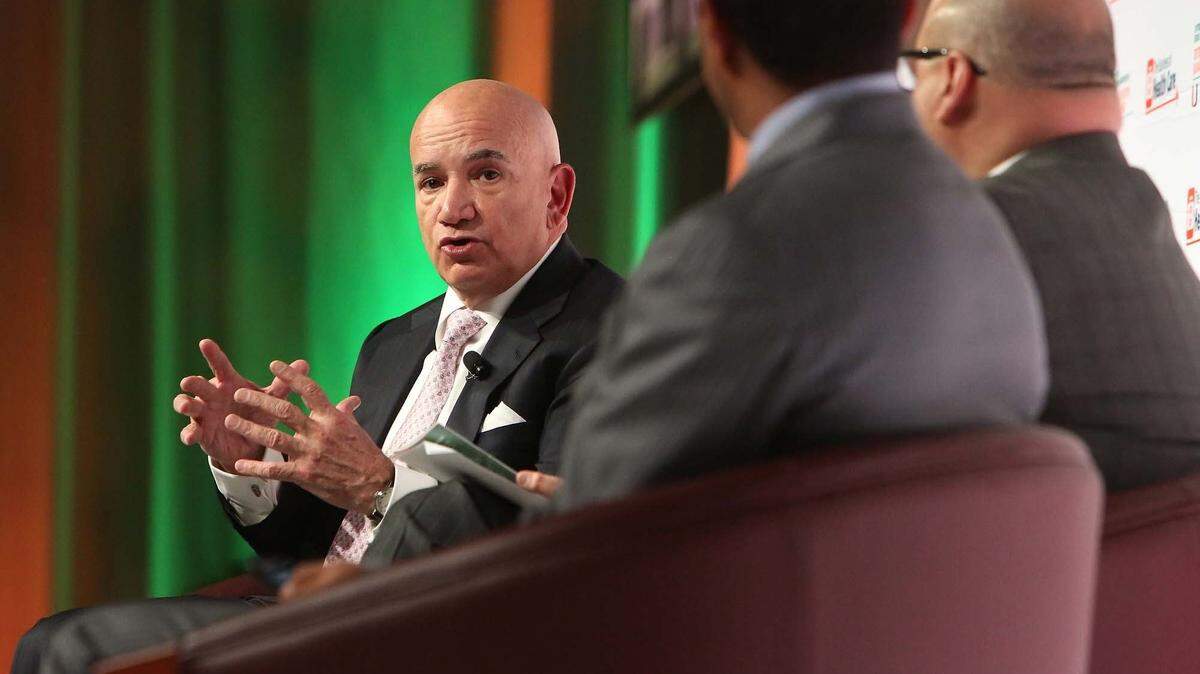
The University of Miami's annual Business of Healthcare summit aims to find out by bringing together industry leaders Friday for a daylong conference on what those changes mean for business and government.
With the Trump administration issuing new rules for Obamacare, health insurers and consumers this week, including retroactive exemptions from the individual requirement to have coverage and more state control over benefit standards for plans, the ripple effects of those changes are likely to be felt across the industry, said Steven Ullmann, a professor and chair of UM's department of health management and policy.
"Whatever impacts the health insurance sector basically impacts all other elements of the industry," Ullmann said.
South Florida has one of the nation's highest Obamacare enrollment rates, with ZIP codes in Hialeah and West Miami-Dade registering the most sign-ups in the country during the most recent enrollment period, which ended in December.
Most Florida consumers also qualify for financial aid to pay their monthly premiums and reduce their out-of-pocket expenses, such as deductibles and co-payments.
That means new rules expanding the availability of so-called hardship exemptions, including one for people who object to abortion coverage and live in a county with only one Obamacare insurer, could cause enrollment to drop and affect not just consumers but the local economy, Ullmann said.
If Floridians who qualify for Obamacare opt out of coverage because there's no longer a financial penalty, then insurance companies, insurance brokers, hospitals, pharmacies, home health agencies and others will feel the pinch.
Ullmann, who organized the conference, said that's why he invited leaders from hospitals, health insurance companies and other healthcare industries. He expects 600 people to attend.
"It really allows us to get these different ideas from different sectors of the healthcare industry about what they perceive things are and where they are going," he said. "We don’t look at healthcare in isolation anymore. It has such far reaching impacts."
Among the keynote speakers scheduled to moderate panels or deliver remarks at the conference are UM President Julio Frenk, a former secretary of health in Mexico; former UM President and congressional candidate Donna Shalala, who served as secretary of the U.S. Department of Health and Human Services under former President Bill Clinton; Patrick Geraghty, CEO of GuideWell Mutual Holding Corp., which includes the state's largest health insurer, Florida Blue; and Richard Pollack, president of the American Hospital Association.
Another expected topic during keynote panels: the aspirations of the healthcare mega-company being formed by Amazon, Berkshire Hathaway and JPMorgan Chase.
"That's going to come up," Ullmann said, "when we're talking about issues associated with mergers and acquisitions."
The conference begins at 8:15 a.m. in the UM Watsco Center, 1245 Dauer Dr. in Coral Gables. Registration is available on site.
This story was originally published April 12, 2018 at 4:16 PM with the headline "UM healthcare summit looks at how Trump policies, politics affect Obamacare."