Kelly: Kendrick Lamar’s Super Bowl performance was far deeper than rap | Opinion
Kendrick Lamar wasn’t performing music on the world’s biggest stage. He was administering a lecture in code that was aimed at mainstream America.
The Pulitzer-winning hip-hop legend delivered a tutorial in song on what it’s like to be black in America during his Super Bowl halftime performance on Sunday night.
It’s a complicated discussion not everyone can digest, but Lamar’s performance and show illustrated how being a person of color in America is a game (his set was a Playstation joystick controller) we’re all trapped inside, and forced to play.
“The Revolution is about to be televised,” Lamar said after delivering a freestyle of an unreleased song in the first minute of his 15 minute show. “You picked the right time, but the wrong guy.”
Lamar is alluding to this country’s political climate, where Donald Trump’s second term began with a massive roll back of Affirmative Action and calls for mass deportation. And we’re not even two months into Trump’s four-year term.
Even though Lamar, who is also referred to as K-Dot, is a rapper embraced by the mainstream, his music has always had backpack rapper (politically conscious), political undertones aimed at elevating and empowering people of color.
His catalog of songs — from “DNA” to “Alright,” and “King Kunta” — have always had themes, topics, and lyrics that inspire fist raising, and encourages people of color to unite.
Samuel L. Jackson, the actor who infamously played a house negro in “Django Unchained,” narrates Lamar’s Super Bowl performance impersonating Uncle Sam, the mythical figure who represents America’s business interests.
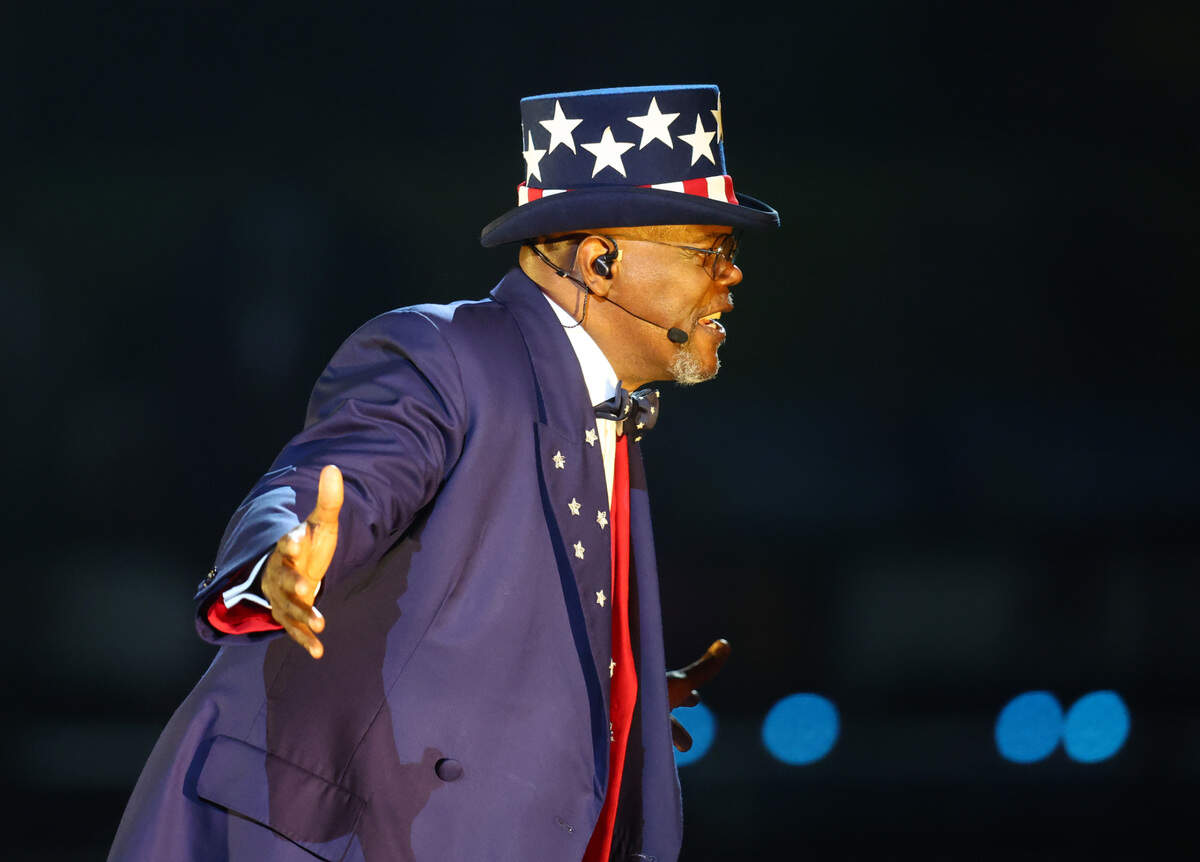
Jackson spent the entire show lecturing Lamar about the fact he’s being “too ghetto, too rebellious,” and flat-out asked him, “Mr. Lamar. Do you really know how to play the game? Then tighten up?”
That’s code for, “do you know how to navigate the system,” and stay under the radar to avoid drawing attention to your blackness.
To live in that world it requires sacrifice, compromise and code switching, which is what people of color have been taught they must master to succeed in America.
Lamar is using the Super Bowl performance to tell us there’s another way.
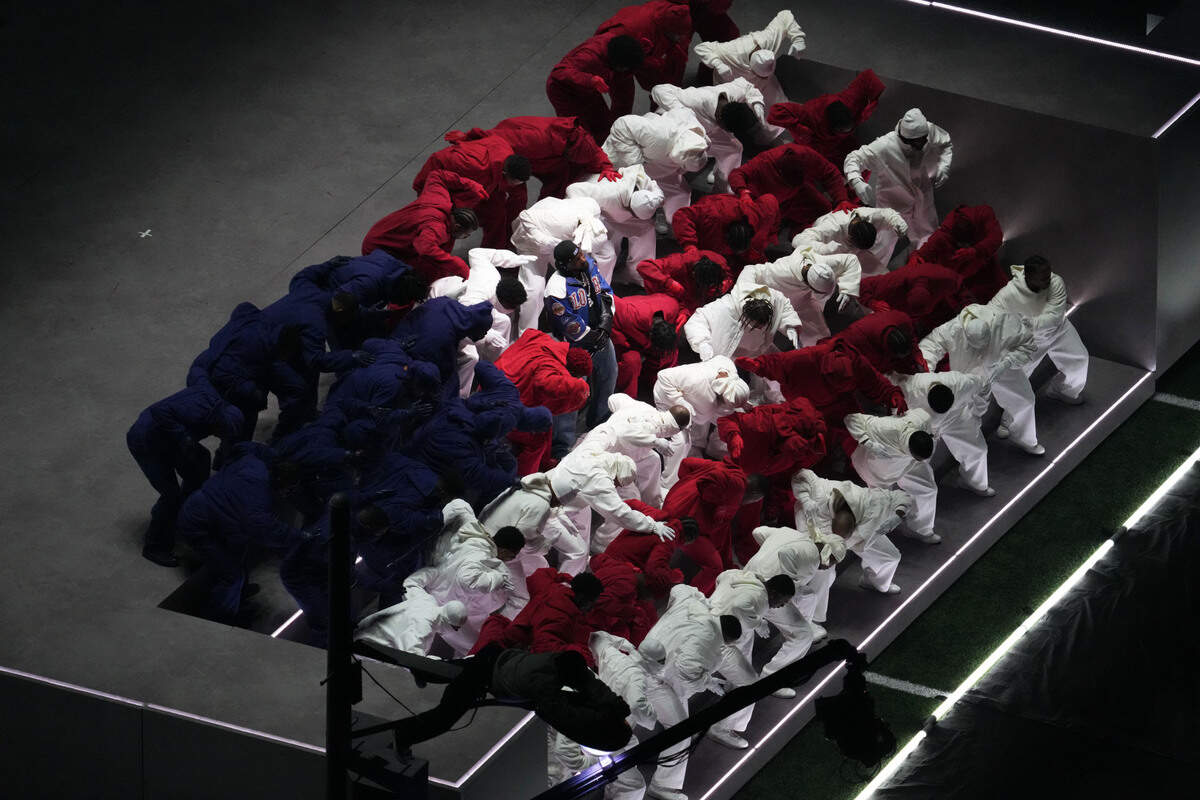
He responds to Uncle Sam by having an all-black male dance crew dressed in red, white and blue assemble as an American flag that’s split in half, and as a Black man, I’ll confess there is always a voice coming from somewhere telling us that “you’re being too black, too ghetto, you’re not playing the game enough,” reminding us how it’s important to fit in to mainstream society. Their acceptance is necessary, and if you don’t follow the guidance of the oppressor then one life can be deducted, which is what Jackson [Uncle Sam] does in one of his interludes because of Lamar’s song choices.
What Lamar’s career, and success proves is that you can have mainstream success without selling out, which he illustrates by performing “Loyalty,” a song that reminds blacks they come from royalty, and points out that to this day we have the greatest influence on popular culture, and not just in America, but the world.
K-Dot’s performance set aim at pressing everyone’s buttons, and Lamar’s notorious beef with Drake, another popular rapper who inspired the “Not Like Us” song that has now spent 22 weeks as Billboard’s No. 1 song, and won Lamar five Grammy Awards earlier this month, was symbolic.
Drake sued Lamar and his publishing company with the goal of preventing them, and the NFL from performing “Not Like Us,” at the Super Bowl. Lamar teased the audience with the intro of the song the whole performance, and was even warned by Uncle Sam to not play the song.
But he did it anyway, and stared into the cameras with a cheesy grin while speaking directly to Drake, which is part of the song’s lyrics, and accuses him of being a pedophile.
Lamar went as far as wearing a diamond-encrusted chain that features an “a minor,” which is the most popular part of the “Not Like us” song, one that most crowds scream out while the disc jockeys turn off the music.
Before performing “Not Like Us,” Lamar warned the audience that Drake might sue, then told the crowd in a freestyle rap “tried to rig the game, but you can’t fake influence.”
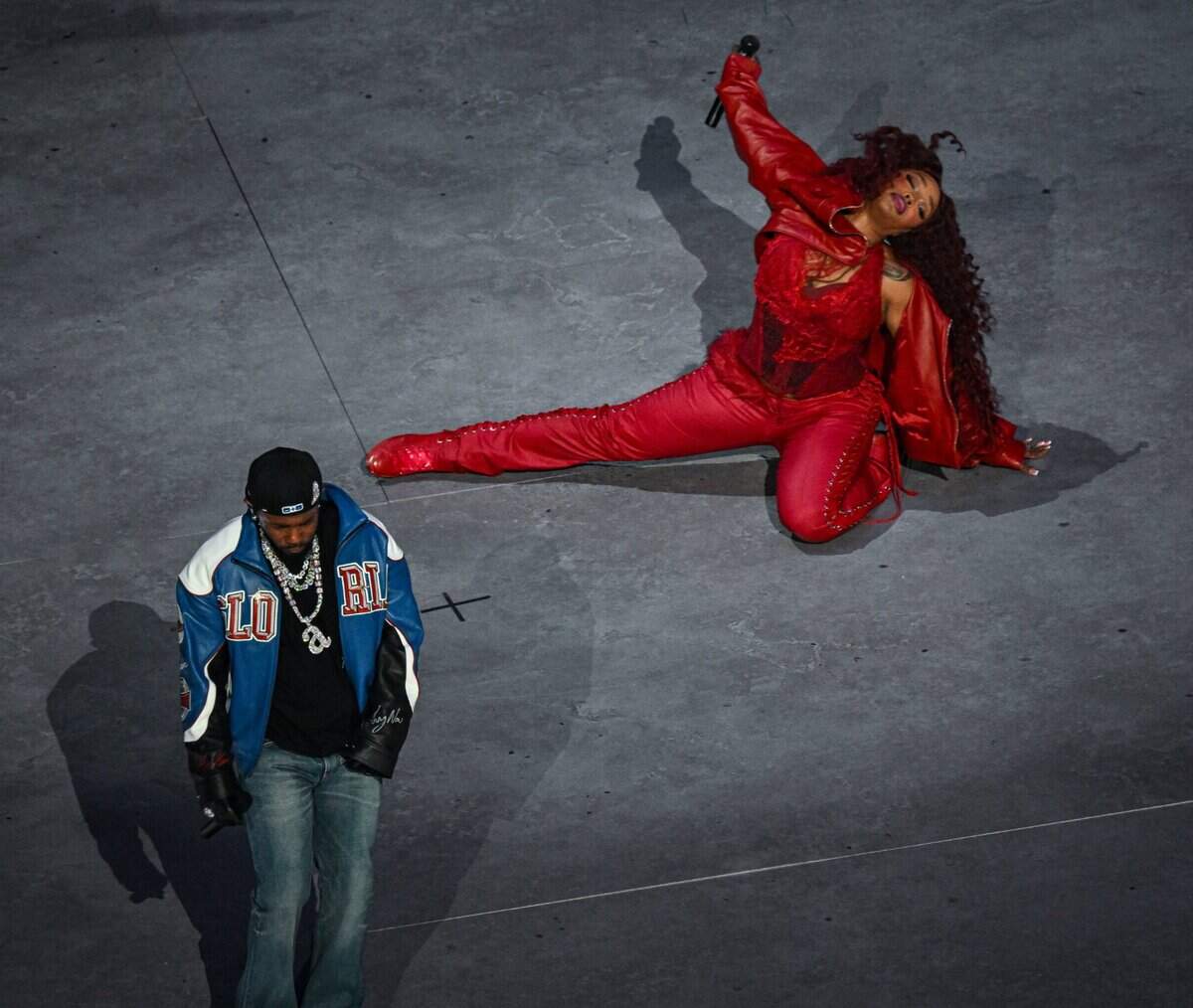
It was a strategic move (much like including former Drake girlfriends SZA and Serena Williams), and a performance meant to remind Lamar’s target audience that the black experience can overpower a rigged system if you remain authentic.
Lamar is telling those who know how to decode his message that the game isn’t set up for you to win, so don’t play.
This story was originally published February 11, 2025 at 4:12 PM.