
A behind-the-scenes look at unusual rules reporters must follow in covering sports in 2020
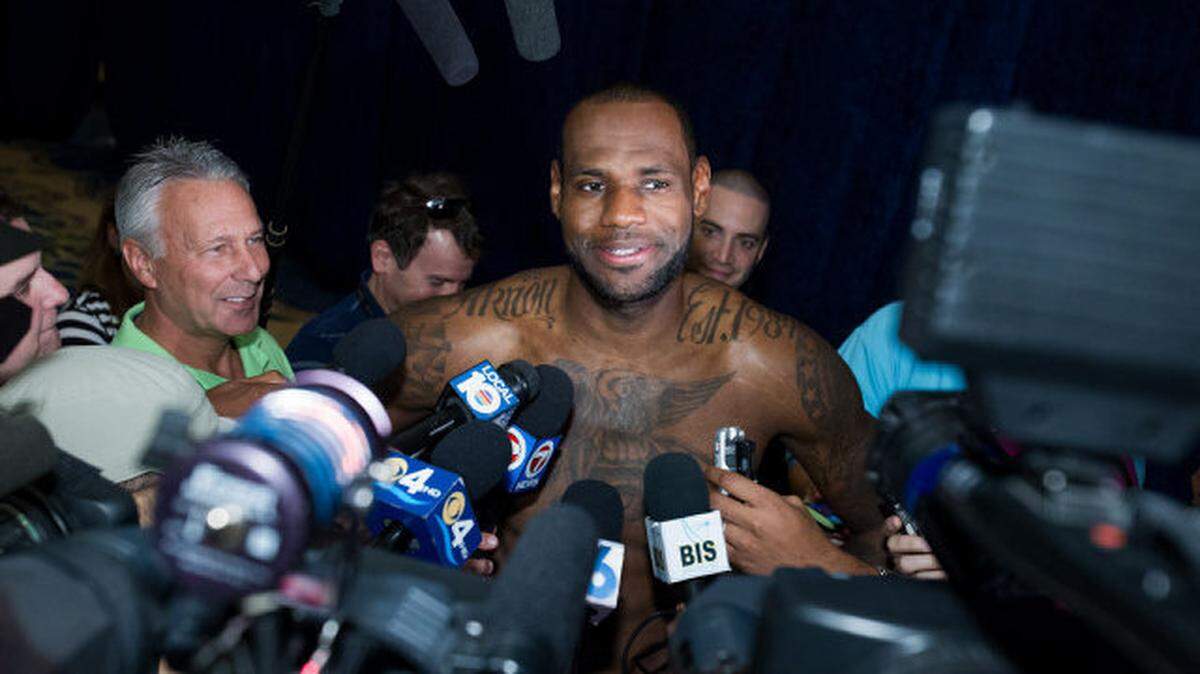
COVID-19 will dramatically alter how reporters cover sports, and that extends well beyond local announcers often calling games from a studio instead of a stadium.
For the first time in history, most sports journalists for newspapers, TV and radio stations and websites face the likelihood of no in-person interviews with players or coaches for the remainder of 2020.
The locker rooms, the place where countless original story ideas are hatched from conversations with players, will be closed to the media for the foreseeable future, likely at least until a vaccine has been produced and widely distributed.
A look at how the leagues are handling access for print and broadcast sports reporters during a pandemic:
▪ NBA: No more than 10 reporters nationally may speak with players or coaches in person (and only in news conference settings) during the resumption of the season, and that select group must pay a hefty price for the privilege.
Those reporters will receive “Group 1” access at a cost of $550 a day, which covers a hotel room on the Lake Buena Vista campus, daily COVID-19 testing, three meals a day and transportation between the hotel and practice venue.
Those reporters will get “in-person physically distanced access to a postgame interview room and designated media seating.”
But Group 1 reporters are required to self-quarantine at home at least seven days prior to arrival in Lake Buena Vista (with exceptions for essential activities such as buying groceries), then quarantine in their NBA campus hotel for another seven days beginning on or around July 13 without the ability to leave their room, remain on the NBA campus for as long as they’re there and sign legal forms.
If an outlet changes its “Group 1” reporter between mid-July and the end of the season in mid-October, that can be done in early September at a cost of about $4,500.
No outlet can have more than one Group 1 reporter, meaning ESPN must decide which nongame announcer to include from its roster of dozens of NBA reporters, led by Adrian Wojnarowski, Brian Windhorst, Zach Lowe and Ramona Shelburne. An ESPN spokesman said that decision has not been made, but Scott Van Pelt said on SportsCenter that reporter Malika Andrews would be in Lake Buena Vista..
What about the dozens of beat writers who cover the NBA on a daily basis? Many of those reporters have been invited to join Group 2, but the access is extremely limited and no more than 12 reporters will be permitted in an area at any one time.
That Group 2 coverage — for which the Miami Herald has been given access — includes the ability to attend the games in elevated media seating, but no in-person access to players or coaches.
These Group 2 reporters who attend the games cannot attend the postgame news conferences, but they can listen in and ask questions via Zoom, just as they could if they are home. One small perk: Group 2 reporters will be given priority to ask questions in news conferences, through Zoom, over reporters who are on their couch back home. So there’s that.
Newspapers nationally face the question of whether it’s worth sending beat reporters to the Orlando restart if they cannot interview anyone in person. It’s a tough call in a difficult economy.
Group 2 NBA reporters will not have access to the court level or arena corridors and will be required to wear a face covering at all times on the campus. Incidentally, photographers will also be positioned within this elevated media seating area and will not be permitted access to the court area. So don’t expect any dynamic courtside photos.
Here’s the good news for Heat fans eager to hear from their team: Through Zoom sessions, beginning July 1, NBA teams were required to make at least two people from the organization available each day to reporters on days the team practices and game days.
But there likely will be fewer one-on-one interviews, meaning there might be more similarity in content between various outlets.
▪ MLB: Unlike the NBA, MLB teams will play at their home ballparks and won’t be in bubble-like conditions.
Like the NBA, all interviews will be conducted through Zoom or by phone, though MLB indicated it could revisit the idea of in-person interviews at some point this season.
So baseball and NBA writers are in the same boat: You can attend the games (mask wearing is required) to get a different perspective than simply watching on television. But you won’t be able to get close to any players or coaches/managers — let alone talk to them — when you’re there.
MLB will allow media inside the ballpark at least four hours before the game, but they must immediately go to a confined area in/around the press box and won’t get the field access they have had for years. Reporters also must leave 90 minutes after the end of the postgame Zoom sessions. So hurry up and file your story!
▪ NFL: The league and the Pro Football Writers of America — which represents NFL journalists — are formulating a media policy, but there’s no expectation of in-person interviews this season, and certainly no locker room access. For years, reporters covering the NFL have been permitted to spend 45 minutes in the locker room three or four days a week.
Instead, all access likely will be limited to Zoom questions. College football media access likely will be similar.
One unresolved NFL issue under discussion is whether reporters will be able to attend the 14 or 15 training camp practices that have, by rule, traditionally been open to media and mostly to fans and result in hundreds of tweets that clog your Twitter feed.
One possibility is the NFL permitting one pool reporter to attend those practices and write a dispatch to share with other reporters. Whether to allow reporters to watch training camp — and how many — will determine how much fans learn about who’s looking good and who’s not during training camp.
The NHL has not released a media policy but all interviews are expected to be done via Zoom.
NOTABLE
▪ With NBA allowing networks to call games from Orlando, TNT’s Marv Albert (age 79) won’t participate and ESPN’s Hubie Brown (86) might not either because their age makes them more vulnerable for COVID-19.
We hear Brown would like to go, but ESPN will make that decision.
TNT will choose among Kevin Harlan, Brian Anderson and Ian Eagle to call its conference finals coverage in Albert’s place.
Harlan or Eagle would need to leave the Orlando bubble to call NFL games for CBS on Sept. 13, 20, 27 — in the heart of the second and third rounds of the playoffs. And Anderson is the TV voice of the Milwaukee Brewers. But the network TV announcers will be part of the aforementioned NBA “group 2” and thus permitted to leave the Disney complex without quarantining.
The plan is for the network announcers to sit about a dozen rows up to announce the games but have no close contact with players or coaches.
▪ TNT’s “Inside the NBA” will air 8 p.m. editions to preview the season on Tuesday, July 7 and 14 and Thursday, July 9 and 16. Dwyane Wade, among, will be on the Tuesday shows; Charles Barkley & Co. work the Thursday programs.
▪ None of the Heat, Panthers or Marlins announcers will leave South Florida to announce games. They will instead broadcast games from South Florida studios.
▪ The NBA has waived its exclusive-rights window for NBA seeding games, meaning Fox Sports Sun will be able to televise the two Heat games on TNT and the one on ESPN, as well as five other seeding games, plus first-round playoff games.
▪ Laura Rutledge is replacing Wendi Nix as the host on ESPN’s “NFL Live” on weekdays, with Dan Orlovsky, Keyshawn Johnson, Mina Kimes and Marcus Spears named the primary analysts. Nix will remain at ESPN for an undetermined role.
A decision is still pending on the “Monday Night Football” announcing team, with Steve Levy, Brian Griese and Louis Riddick under strong consideration and Chris Fowler and Kirk Herbstreit an option if college football season is postponed.
▪ Fox’s decision to exit the final seven years of its 12-year U.S. Open golf deal — the package was picked up by NBC — means Fox will avoid a problematic conflict between the Sept. 20 final round of the U.S. Open and the second Sunday of NFL games.
Fox had requested moving the final round to FS-1 because of the NFL conflict, but the United States Golf Association balked, leading to their divorce.
This story was originally published July 2, 2020 at 2:32 PM.
