Florida Panthers enter NHL’s bubble in Toronto on Sunday. Here’s what it’ll be like
Forgive the Florida Panthers if some of them had trouble packing for this most-unusual road trip. Aleksander Barkov and Lucas Wallmark both admitted Saturday — just about 24 hours before they left for Toronto — they had not started. It was a daunting task they stared down: They could be in Canada for just two weeks or they could be away from home for more than two months if they keep winning and get all the way to the Stanley Cup Finals.
Players are making room for Xbox Ones and Playstation 4s, stuffing golf clubs into their bags and thinking about what television shows they might want to binge while they live in the confines of one of the NHL’s “security zones” — more commonly referred to as “bubbles.”
“This is going to be an unusual — to say the least — endeavor,” commissioner Gary Bettman said in a video presentation Friday, detailing the NHL’s plans.
After two weeks practicing in Coral Springs for the NHL’s postseason training camp, the Panthers departed for Ontario on Sunday and touched down to begin life in one of the league’s two hub cities for its expanded postseason. For at least the next two weeks, Florida will reside within a one-block radius, shuffling back and forth from the Fairmont Royal York to Scotiabank Arena. The Panthers hope their stay will last even longer, which they can accomplish by winning a five-game qualifying-round series against the New York Islanders starting Saturday.
While no one quite knows what to expect, the NHL has a plan which satisfies players, first because of the way it keeps them safe, but also for the ways it might keep them entertained and comfortable.
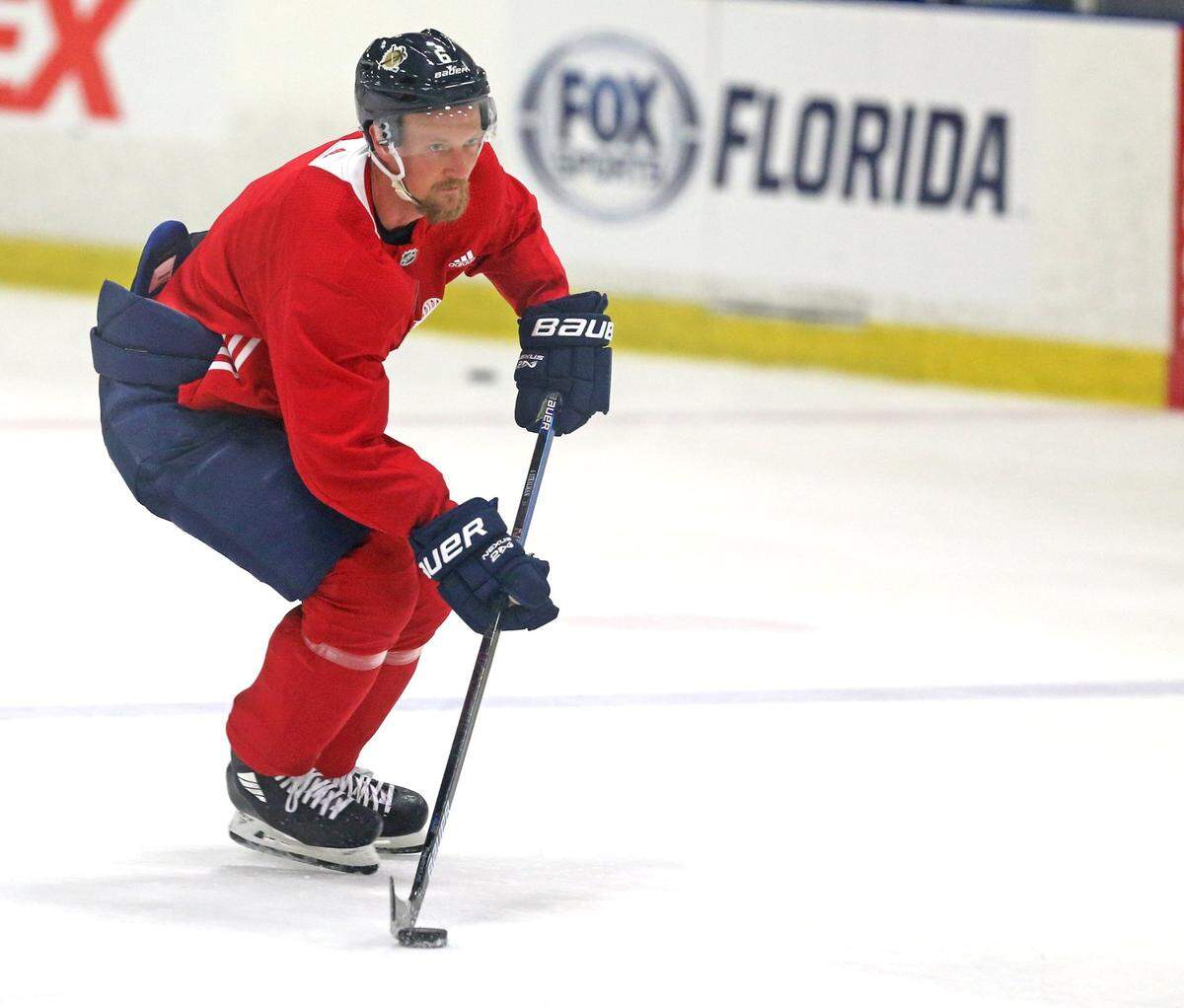
“I guess it all comes as a surprise,” defenseman Anton Stralman said Saturday. “We’ll see how the setup is and, like I said, I’m sure it’s going to take a few days to get used to everything, and all the routines and all the restrictions. But, at the same time, we’re there to do a job and I think everybody here in this organization is excited for that chance to compete.”
COVID-19 safety protocol
Above all else, health and safety was the priority for the bubble as the NHL “jointly crafted” a plan with the NHL Players’ Association, and received input from federal authorities.
Some players — particularly those with underlying conditions like Stralman and forward Brian Boyle, in Florida’s case — initially had reservations about the NHL returning to play the COVID pandemic continues. On Saturday, Stralman, who has a lung condition called bronchietasis, said learning about the NHL’s 28-page plan for Phase 4 helped assure him he would be safe to return.
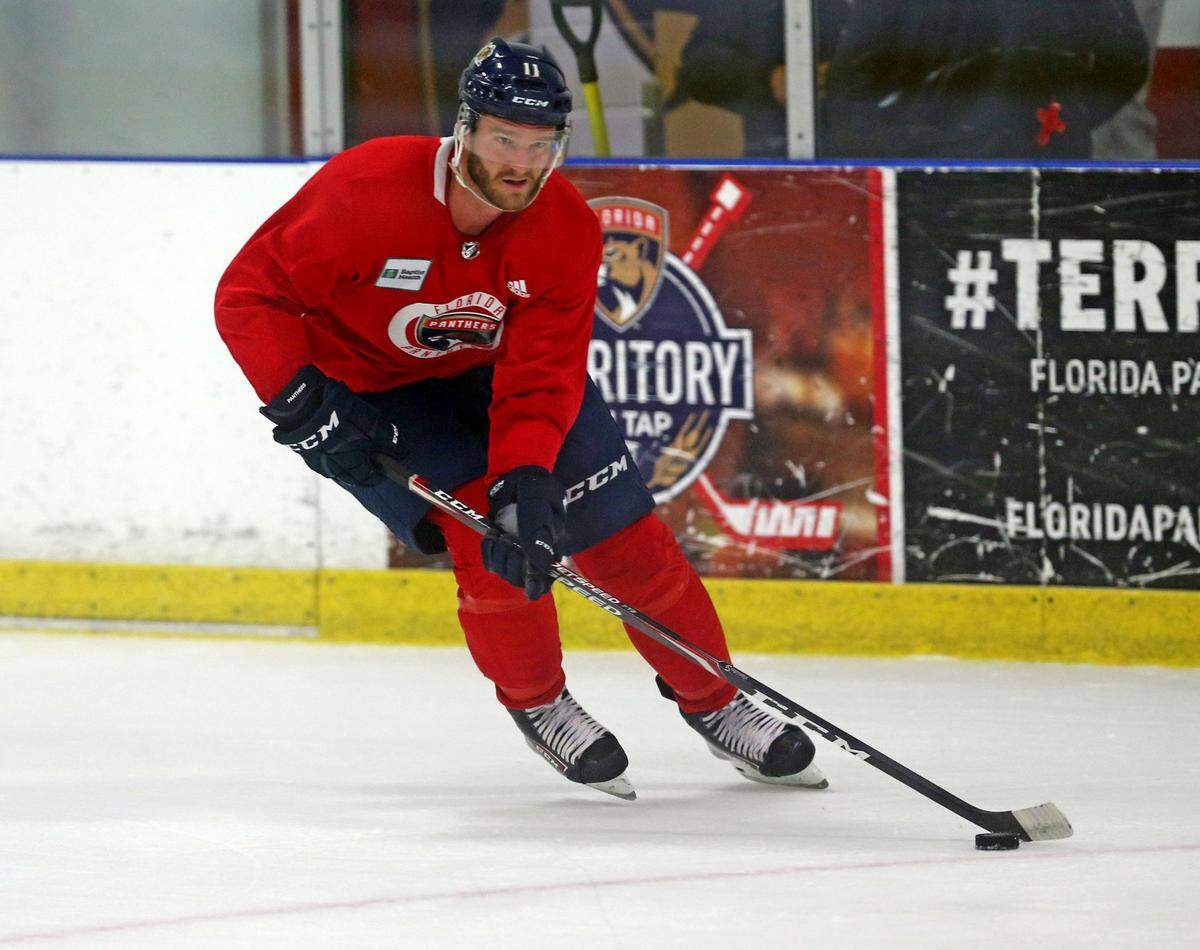
“There’s been so many moving parts and our main focus has been the safety of everybody involved,” said defenseman Mike Matheson, Florida’s NHLPA representative. “Getting back to hockey was obviously very important, but only as long as it was safe for everybody involved.”
For the last two weeks, players and staff have been tested every other day to assure none of them are bringing the virus into the bubble. In the hub cities, players and staff, and even anyone working in the hotels and arenas, will be tested every day, getting their results within 24 hours.
The bigger focus, NHL chief medical officer Dr. Willem Meeuwisse said, is on prevention through emphasizing social distancing, mask wearing and hand washing. The security zones around each hotel will isolate players and staff from the public, too. Florida, for example, is staying at the Royal York, which is a block away from the arena. Both the hotel and arena, located in the heart of Downtown Toronto, are fenced in and there’s even a fenced-off walking path connecting the two.
What’s there to do in bubble?
Each of the four hotels offer slightly different amenities, although there’s also a common slate of baseline services. Each team will have common areas where they can mingle and meet because they’re not allowed in each other’s rooms. Hotel pools, fitness areas, bars and restaurants will also all be open. The NHL will also allow teams to have league-sanctioned “social excursions” to places like golf courses.
The Royal York has a patio area, and pickleball and tennis courts will be available. Certain restaurants and shopping areas near the arena will also be open exclusively to people within the bubble. For the first five days before the qualifying round begins, players and staff will only be allowed to interact with people from their 52-person traveling party.
Players and staff can also go watch games. Once the expanded Stanley Cup playoffs begin, Joel Quenneville expects this to be pretty popular. During playoff time, everyone’s just watching hockey, anyway.
“There’s be lots of hockey to watch,” the coach said. “It’s going to be a strictly hockey mindset, where you’re going to be going to the rink to practice, to play or you’re going to be watching games and preparing for the next game.”