‘We’re just having fun.’ The science and history of professional athletes’ pregame outfits
It starts with a feeling.
Maybe ecstatic. Maybe relaxed. Maybe even flashy.
Then comes the selection process, which for some, starts nearly a week before game day. The result: an outfit that will soon be seen by millions. Such is the life of a professional athlete in 2024. No longer can they dress in a vacuum; the tunnel that leads from the players parking lot to the locker room has become a runway since the early 2010s. And if you play for the Miami Dolphins, one of the most visible teams in the league, the incentive to be fly is even greater.
“It just depends,” receiver Odell Beckham Jr. said. “Sometimes you dress it up. Sometimes you dress it down. Comfy. Put that s*** on. It just depends. Just have fun with it. As Prime always says, look good, feel good, play good.”
Beckham has been one of the league’s most visible faces since his jaw-dropping catch a decade ago. His unique fashion sense hasn’t gone unnoticed either. He has modeled for Calvin Klein for GQ Magazine and Vogue. But on the Dolphins, Beckham has competition: his longtime friend Duke Riley.
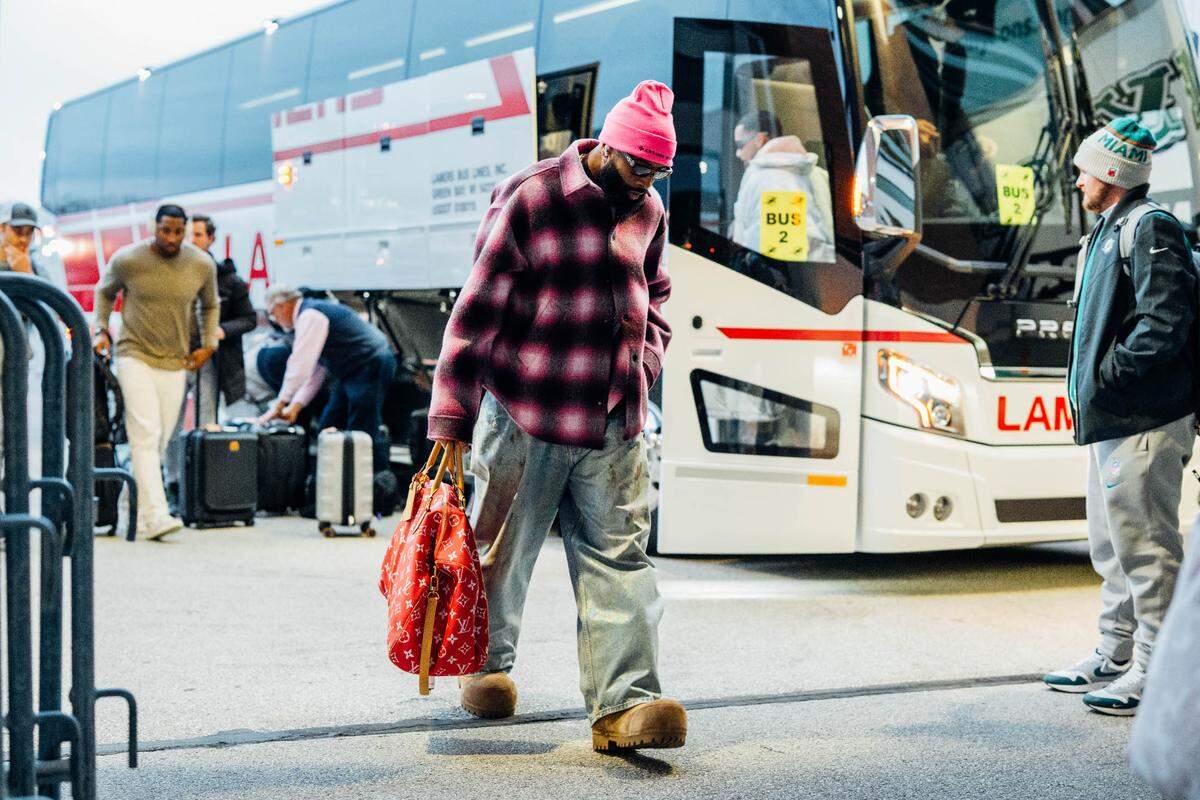
“Monday and Tuesday is when I get my fit together,” Riley said. “That’s when I think about my fit. I think about how I want to look.”
Riley describes his style as a “flowy, wavy vibe.” A fan of layering, Riley often wears jackets and sweaters on top of whatever he decides. His only fashion pet peeve? Outfits that stick to one brand.
“I like showing different brands,” said Riley who called fashion part of his raison d’etre. “How you can use it and mismatch it. I never want to be too matchy.”
Beckham and Riley make up likely the team’s best dressed duo. The two have known each other since high school. They even have a little friendly competition and plan their outfits.
“He’s been my brother,” Riley said. “We walked up one day together because we were in the parking lot at the same time. We walked in together and I guess people started to like it. So every day we kind of walk up together or ride together to the point where we’re damn near planning our fits together.”
Added Beckham: “We’re just having fun. We might call each other and joke like ‘What you wearing?’”
Riley’s love for fashion runs so deep that he one day hopes to even walk in a runway show. That his dream is even remotely attainable happens to be due to the work of early stylists like Calyann Barnett. In the late 2000s, high fashion labels didn’t look at athletes as viable customers. Barnett, who was the catalyst behind Dwyane Wade’s transformation into a fashion icon in the 2010s, helped change that.
“They had no idea who these athletes were,” Barnett recalled. The Miami native said she had to write an 11-page paper to some of the luxury fashion house explaining Wade’s significance just so he could sit on the front row when they first went to Paris and Milan Fashion Week in 2011. This was before social media took off so a lot of those high end brands didn’t have much of a connection to the sports world. “There wasn’t that crossover. As a stylist. I’m that bridge between sports and fashion.”
Barnett never quite understood why the luxury brands initially were not quite receptive to the athletes who she felt could be an untapped market. Professional athletes, in some ways, ere the “epitome of what a man is,” she said.
“They have great bodies,” Barnett quipped, later adding that they also “make so much money.” “They are the perfect hangers for their clothing.”
It still wasn’t easy – even after the high fashion labels began to open up.
“Back then, they weren’t making things for the guys,” said Barnett who now works as the creative director of CounterPoint, the private apparel and lifestyle brand for the Utah Jazz. “They weren’t making larger sizes. You had to order it when they showed it during fashion week. That’s like a six month lead time.”
With Wade being one of the most recognizable faces in the league and playing alongside LeBron James, the two’s unique sense of style signaled a change in the way that professional athletes can be viewed. That’s not to say superstars like Allen Iverson, Deion Sanders and Michael Jordan didn’t play a role; it’s just that the Big 3 era and the advent of social media were a perfect storm that pushed athletes and the high fashion world closer in a way that has allowed them to better showcase their individuality.
“Tell [Riley and Beckham] you’re welcome from me,” Barnett joked. “When I worked the brands, there was no way that they would have been able to buy anything in their size.”
That individuality can come in different forms. For some, it can be by wearing the most expensive outfit. For others like Anthony Walker Jr., it can be by just paying homage to his hometown. Walker, by his own admission, isn’t worried about fashion as much as he used to. The Miami native is just happy to be home after signing with the Dolphins in the 2024 offseason. And his outfits show just that.
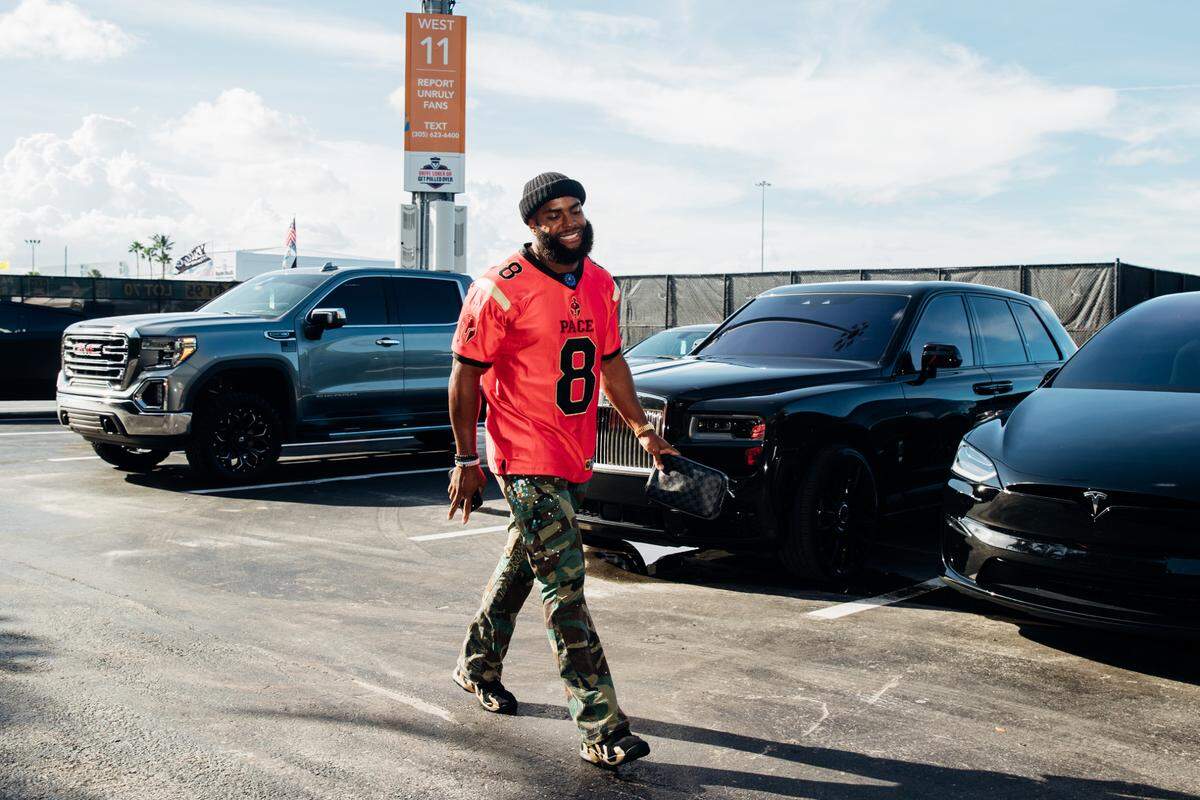
“I’ve just been honoring the people that I played football with or watched growing up,” said Walker who has worn a different high school jersey for every game. Some of the players he’s honored include Lamar Miller (Miami Killian), Teddy Bridgewater (Miami Northwestern) and Sean Spence (Northwestern). “This is it for me from now on in my career. I’m old, man.”