Dolphins draft preview: In a lauded tight end class, who is the best fit for Miami?
The Dolphins have remade their tight end room this offseason and have been searching this year’s draft class for additions to their roster.
Miami traded Hunter Long in the deal that brought cornerback Jalen Ramsey to Miami, released Cethan Carter and watched Mike Gesicki sign with the New England Patriots in free agency. The Dolphins brought Eric Saubert in from the Denver Broncos and signed Durham Smythe to an extension through the 2025 season. However, Tanner Conner, who did not catch a pass last season, is the only other tight end on the roster with a position group that didn’t contribute much to Miami’s passing game. Luckily for the Dolphins, this year’s tight end class has been lauded as the best in years by draft experts.
In the third of a series of draft previews, the Miami Herald will look at the team’s tight end options. Last is interior defensive line.
Depth chart
Projected starter: Durham Smythe
Reserves: Eric Saubert, Tanner Conner
WHAT DO THE DOLPHINS NEED?
Capable blocking and receiving upside. Gesicki never fit in head coach Mike McDaniel’s offense. His blocking struggles limited his playing time in 2022. And although he was a productive receiving option over the years, he wasn’t much of a threat to pick up yards after the catch, a core tenet of McDaniel’s scheme. Smythe was the team’s best blocking option, which is why he played the most snaps of any tight end, and Saubert also has the skill set to contribute in that area. But Miami could use a more dynamic option who can line up all over the field. Tanner Conner has the potential to do so but is still developing as a converted college wide receiver.
Here are tight ends the Dolphins could target in the draft:
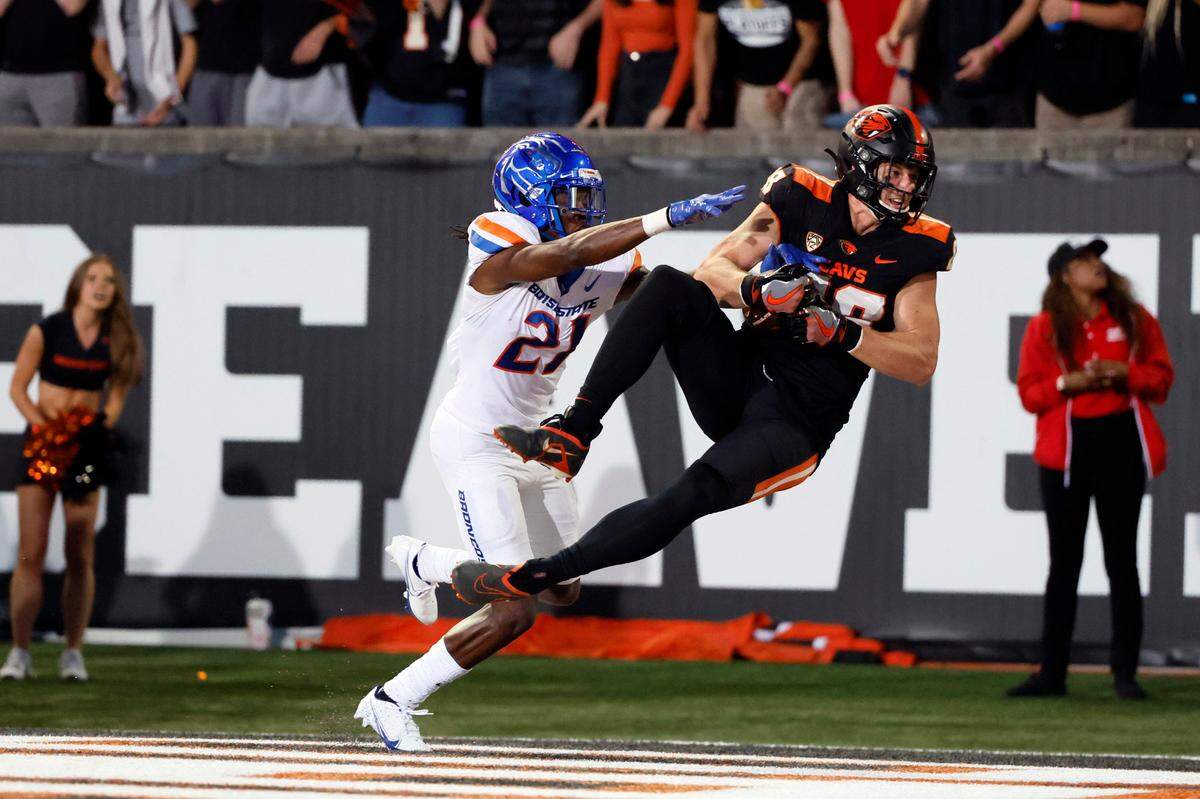
Oregon State’s Luke Musgrave
Why he’d fit: The 6-6, 253-pound Musgrave has the prototypical size for the position with great acceleration in the open space. He’s a committed blocker who ESPN draft analyst Matt Miller called a “fantastic all-around player.”
Why he might not: Musgrave will need to get stronger to sustain blocks as an in-line player. He also needs to improve his route running; he has the speed to run by players but needs to work on coming in and out of his breaks and playing through contact. Musgrave also missed the final 11 games of the 2022 season because of a knee injury.
Projection: Round 2
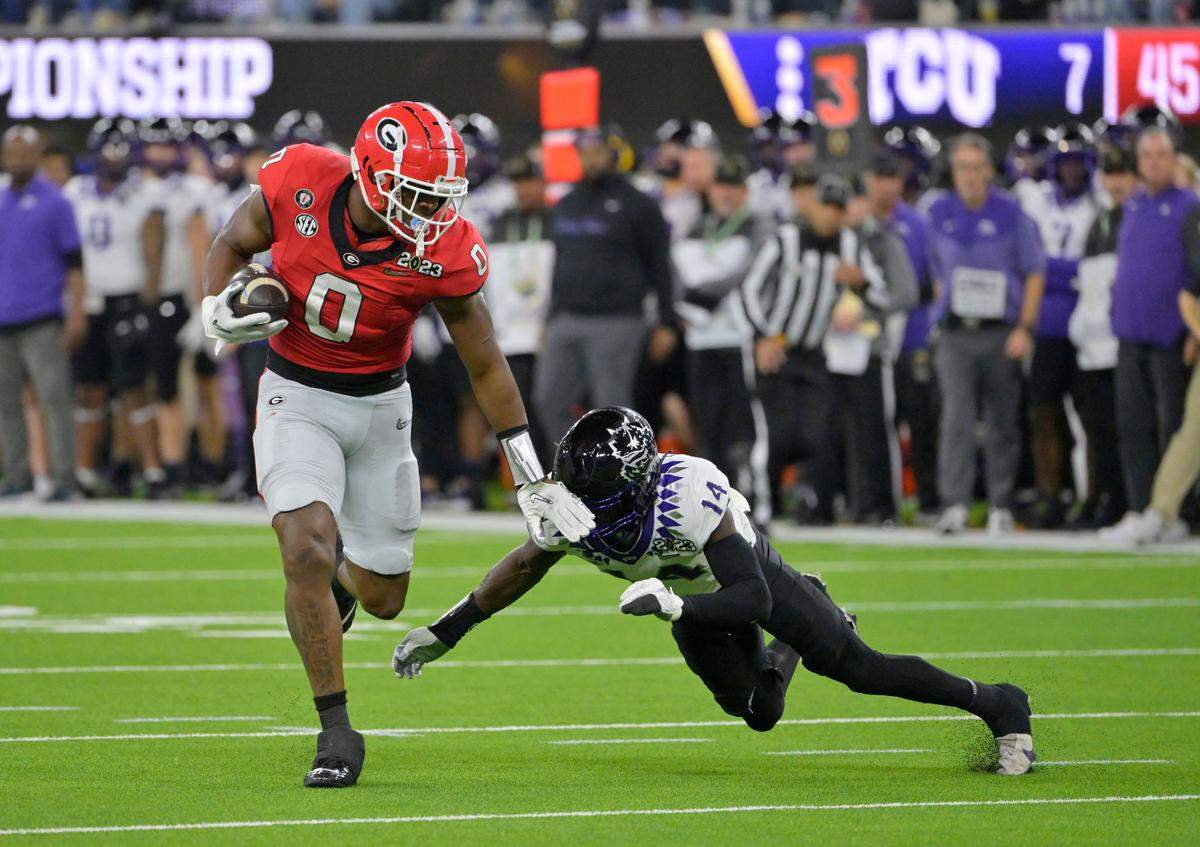
Georgia’s Darnell Washington
Why he’d fit: At 6-7 and 274 pounds, Washington has unparalleled size for the position and athleticism you don’t often see combined with it. He’s viewed as one of the best blockers in the draft, regardless of position, because of his raw power. Washington’s frame makes him tough to bring down and he could give quarterback Tua Tagovailoa a large catch-radius target that he doesn’t currently have.
Why he might not: Washington relies more on his strength rather than his technique to dominate as a blocker and he might not be able to get away with it as much in the NFL. And while athletic, Washington isn’t a fluid route runner and doesn’t separate much.
Projection: Round 2
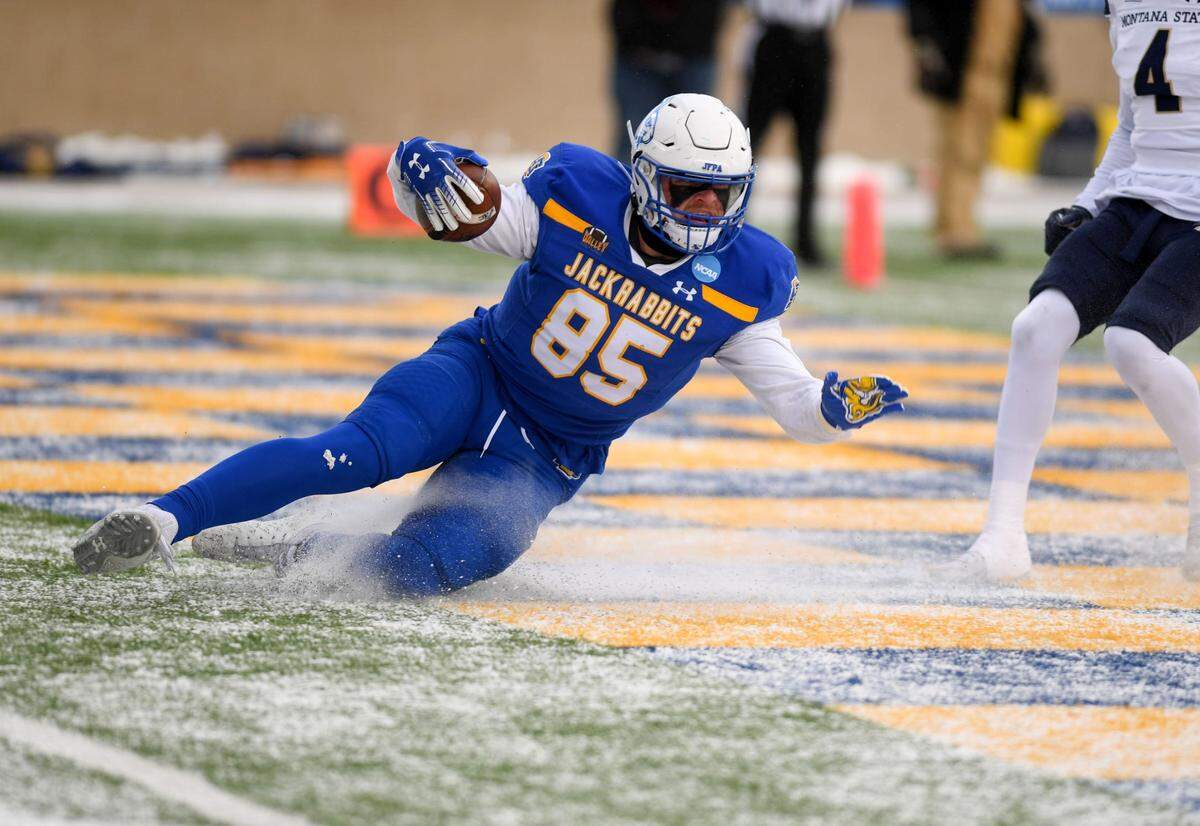
South Dakota State’s Tucker Kraft
Why he’d fit: Kraft, 6-5 and 254 pounds, is another prospect with good size who was tough to bring down in the open field. He broke 25 tackles on 102 catches over the past two seasons, according to Pro Football Focus. Kraft also lined up all over the field but 48 percent of his snaps were from an in-line alignment.
Why he might not: While Kraft can run, he’s not much of a deep threat and likely works better as an underneath receiver finding holes in zones. Like many of the tight ends in this class, he has the capabilities but is not a finished product as a blocker. Kraft also had issues with drops in 2021.
Projection: Round 2-3
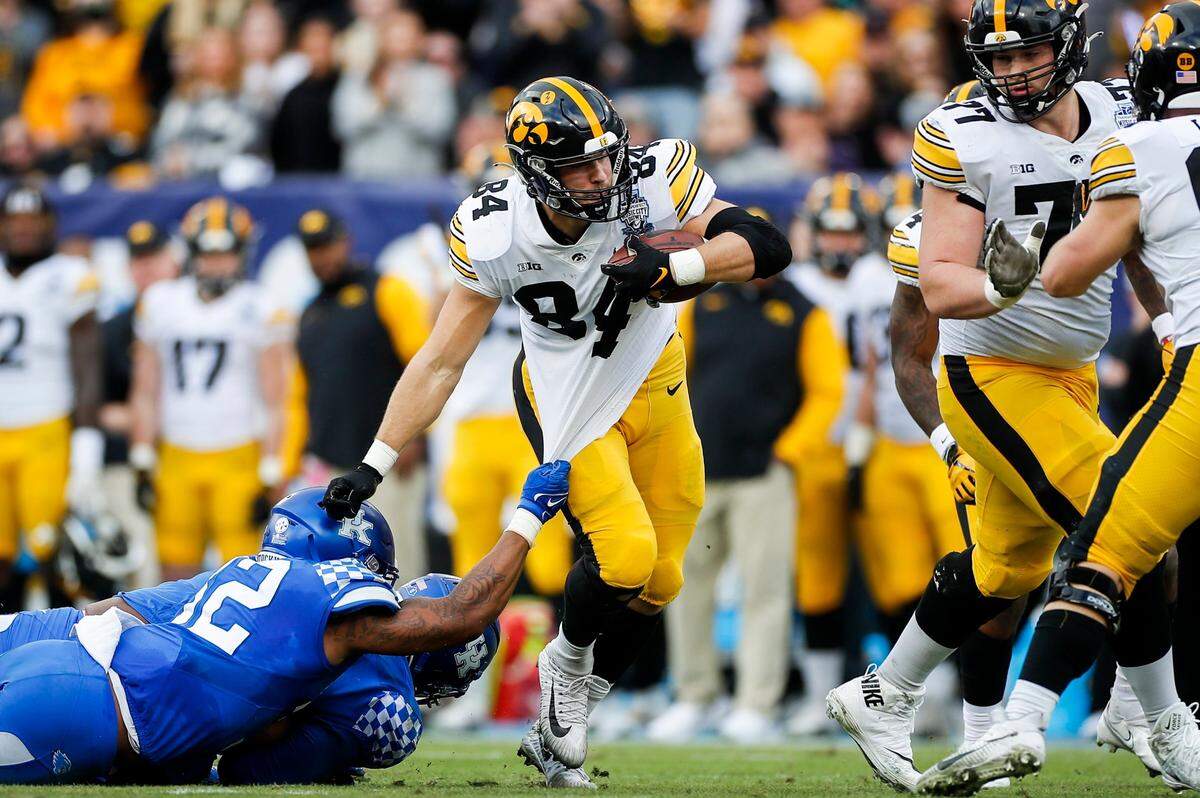
Iowa’s Sam LaPorta
Why he’d fit: LaPorta, 6-3 and 245 pounds, is a legitimate receiving option from any alignment, whether it be in-line, in the slot or out wide. He has the speed to separate from defenders after the catch and ESPN draft analyst Jordan Reid called him a “bully over the middle” of the field.
Why he might not: LaPorta isn’t much of a contested catch receiver; according to PFF, he caught 18 of 44 targets in contested situations in college. And at the NFL Scouting Combine in February, LaPorta acknowledged that he is a “developing blocker.”
Projection: Round 2-3
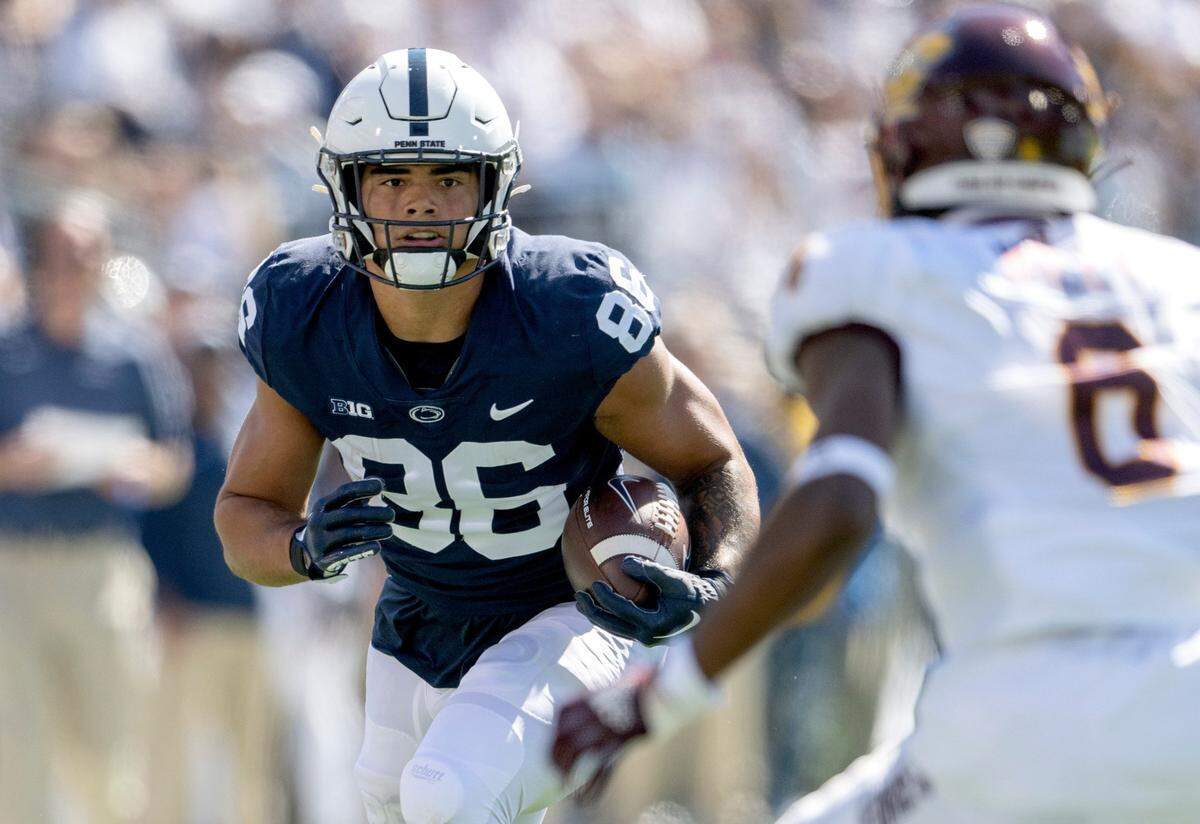
Penn State’s Brenton Strange
Why he’d fit: Strange, 6-4 and 253 pounds, is a physical player through and through, whether it be as a blocker or with the ball in his hands, fighting through tackles. He lined up in a variety of positions, including at H-back, and was a fixture on special teams.
Why he might not: Strange’s hand placement and footwork as a blocker need more work. He doesn’t have a ton of college production as a pass-catcher and his lower-than-average arm length may limit his catch radius in the NFL.
Projection: Round 3
This story was originally published April 17, 2023 at 5:00 AM.