Dolphins film study: What to expect from Mike McDaniel’s new offense
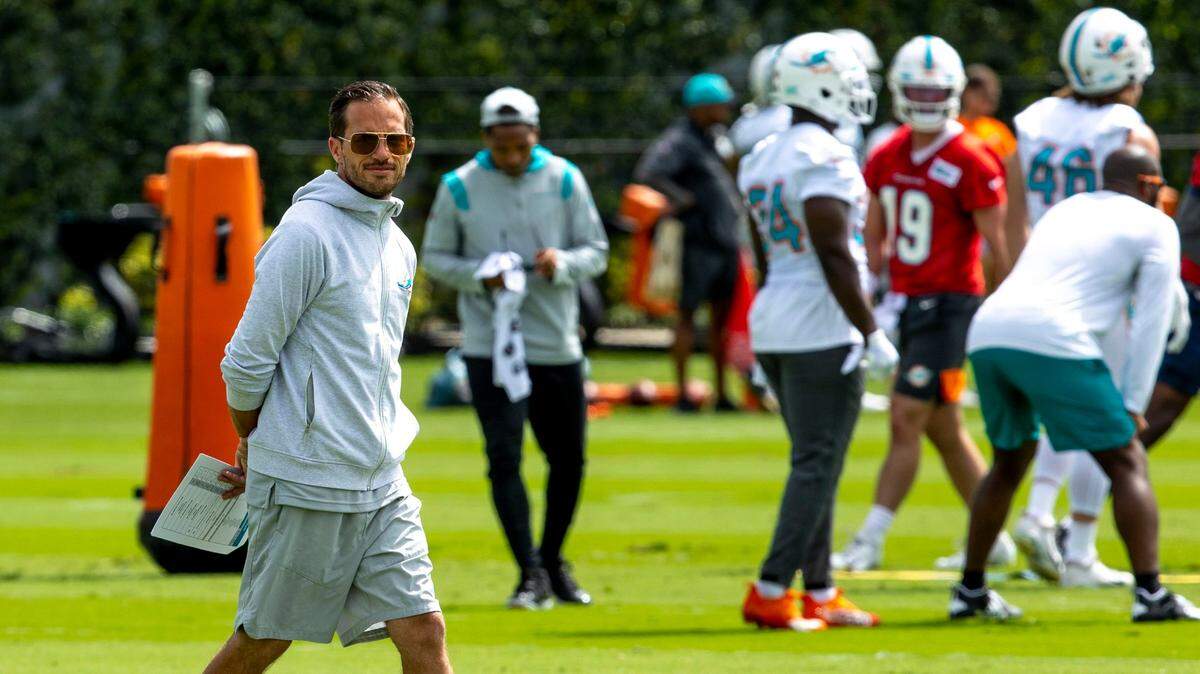
First-year head coach Mike McDaniel will be tasked with leading all 53 players on the Dolphins’ roster. But his expertise on the offensive side of the ball — where he first learned the game as a ball boy for the Mike Shanahan-led Denver Broncos and worked as a longtime assistant with Mike’s son, Kyle — is what drew Dolphins decision-makers to the 39-year-old.
In his debut season in Miami, McDaniel will have a polarizing third-year quarterback, a much-maligned offensive line with a pair of veteran additions and a talented cast of skill-position players to hand and throw the ball to. He’s bringing in an offense he’s studied over his entire career, with maybe some twists and wrinkles for his current players’ unique skill sets.
The first of a two-part film study will break down key concepts and tendencies the Dolphins offense is expected to take on with McDaniel at the helm.
Zone run
The zone run scheme is expected to be the main run concept McDaniel infuses into the Dolphins’ offense, brought from the Shanahan tree. Over the years, it’s sprouted in Los Angeles, Cincinnati and Green Bay with much success. It takes on many forms and can be used with various personnel groupings but the outside/wide zone concept will likely be the most prevalent.
“It all revolves around the idea of creating lateral displacement,” said Brandon Thorn, who breaks down offensive line play as the owner of the Trench Warfare Newsletter. “So, not necessarily driving defenders backward as much as it is opening up that frontside and cutting off the backside and just trying to hit inside those gaps that open up. So, making one cut and go from the [running back].”
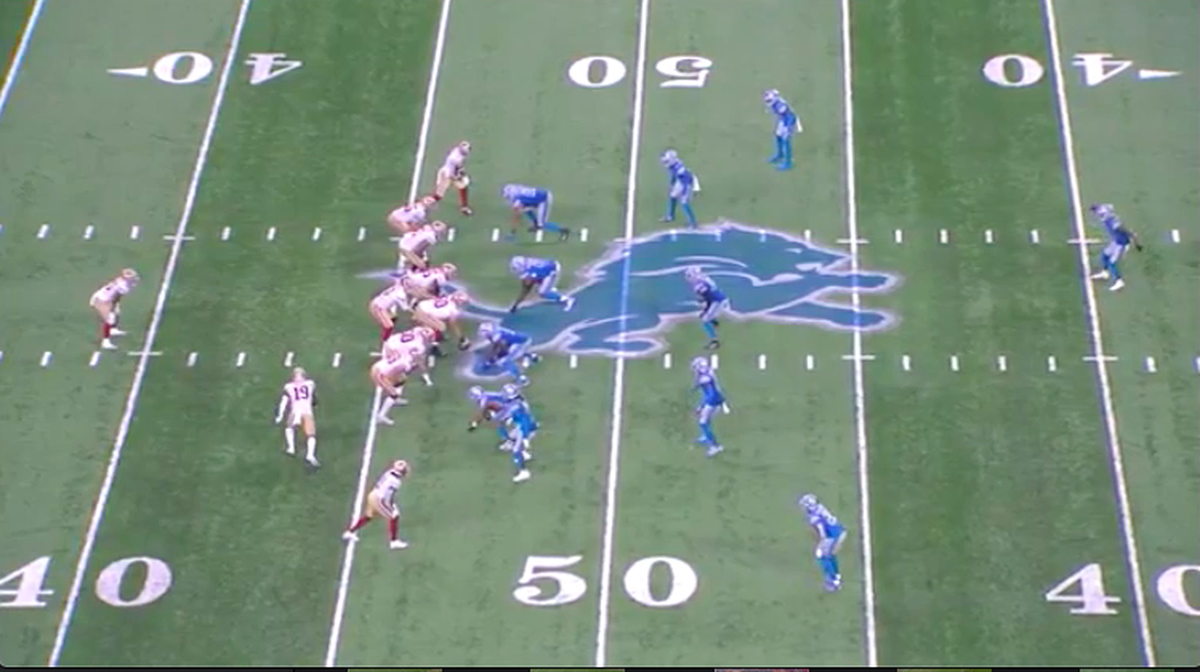
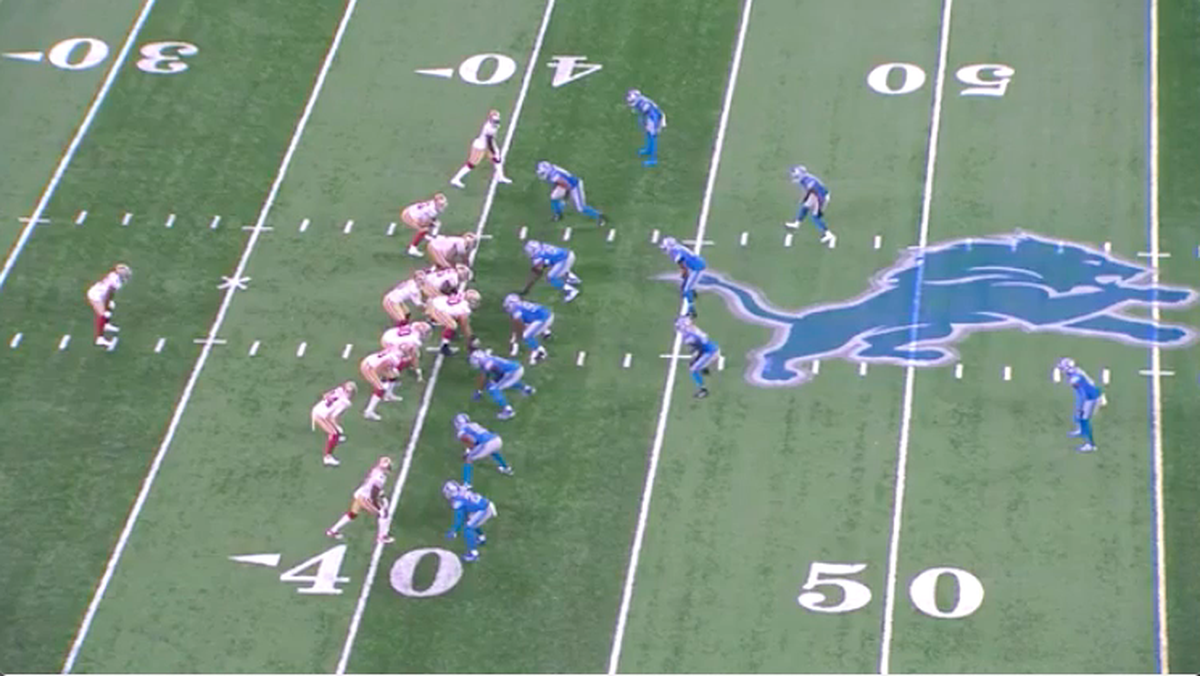
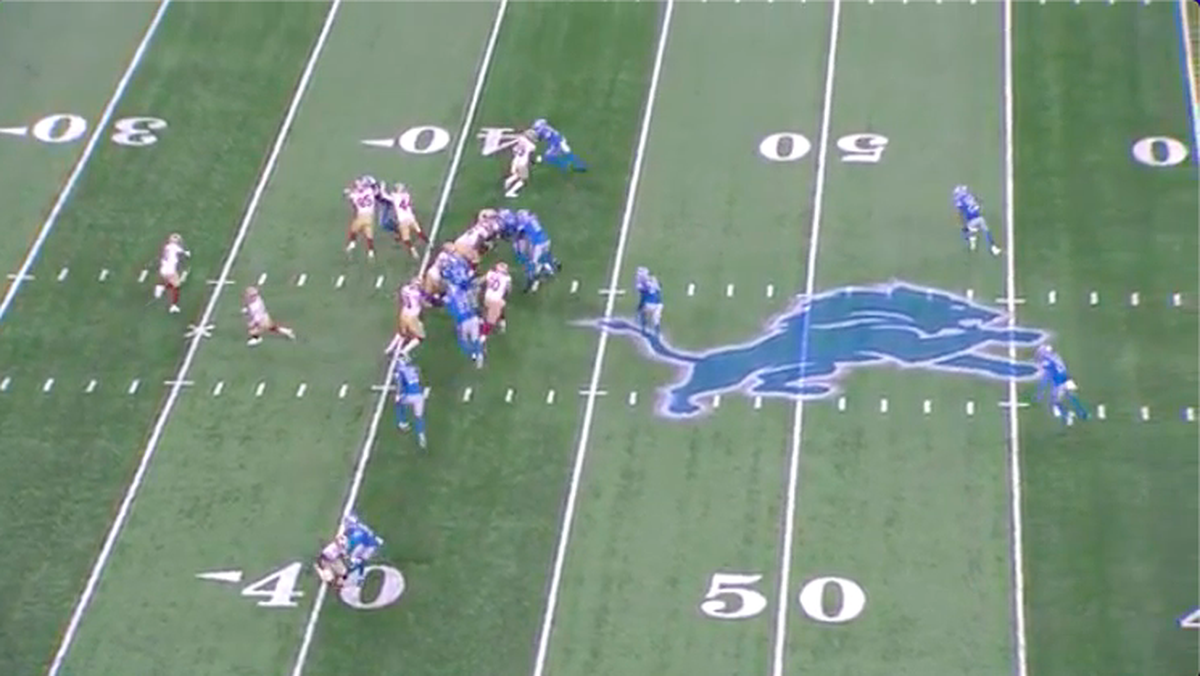
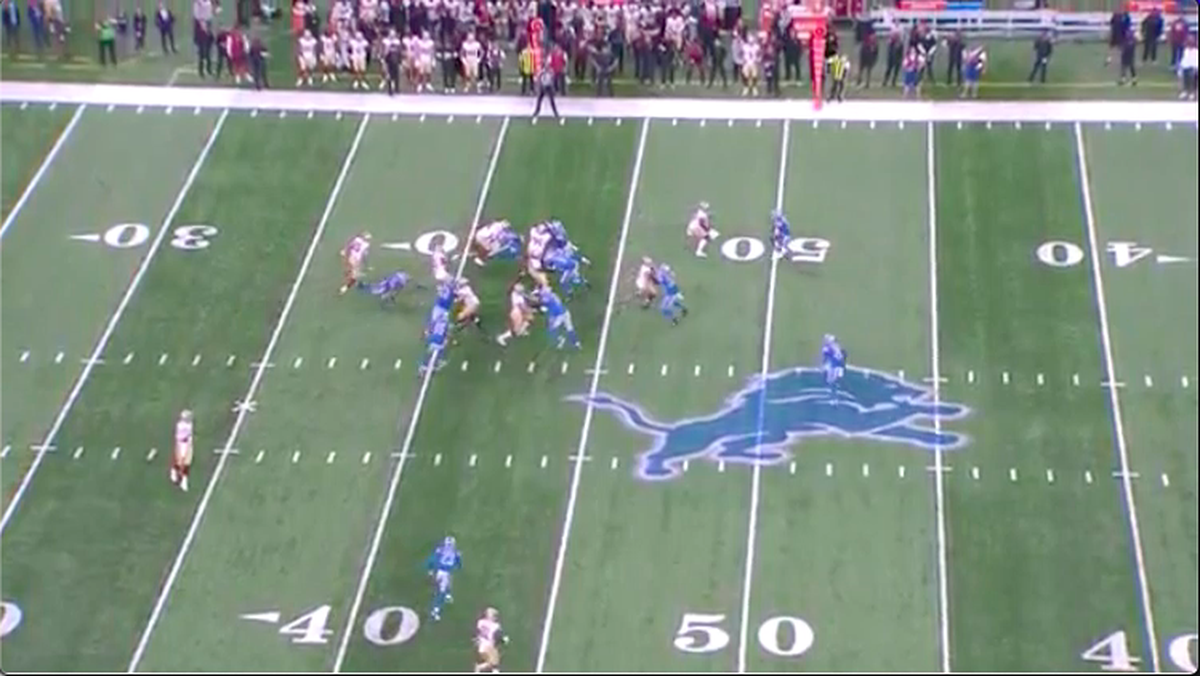
In the 49ers’ Week 1 game against the Detroit Lions, they run an outside zone concept with a handoff to Elijah Mitchell. At the snap, all five linemen step laterally to the right, completing their blocking assignments. The flow of bodies allows Mitchell to cut upfield and work to the left, where defenders have vacated their spots, for a sizable gain.
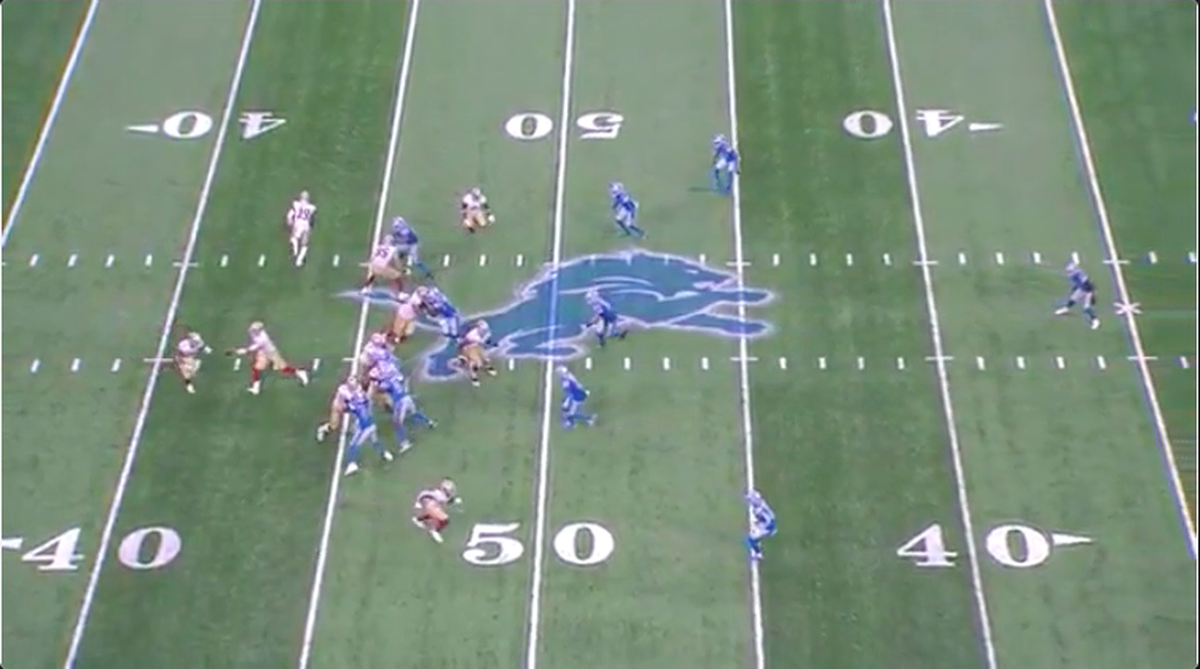
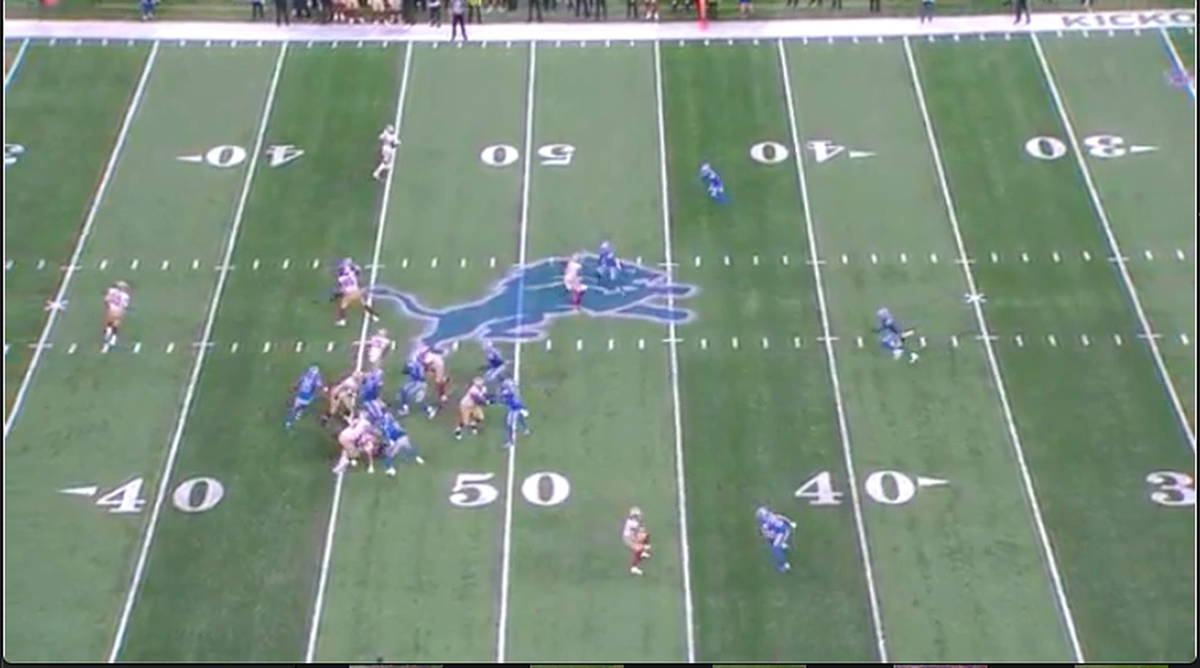
The outside zone concept can also take the form of a horizontal toss to the running back. On the first two plays from scrimmage in Week 1 — after a fumble — the 49ers run this concept back to back with Raheem Mostert and he picks up large chunks of yardage each time. The first time, the linemen move in unison to the left and Mostert has the speed to get to the edge. The second time, the linemen move to the right and Mostert finds a cutback lane.
“There’s multiple reasons for a pitch,” McDaniel told the Miami Herald in March. “One is when you’re confident in your matchups on the edge, is to get the ball there a little faster.”
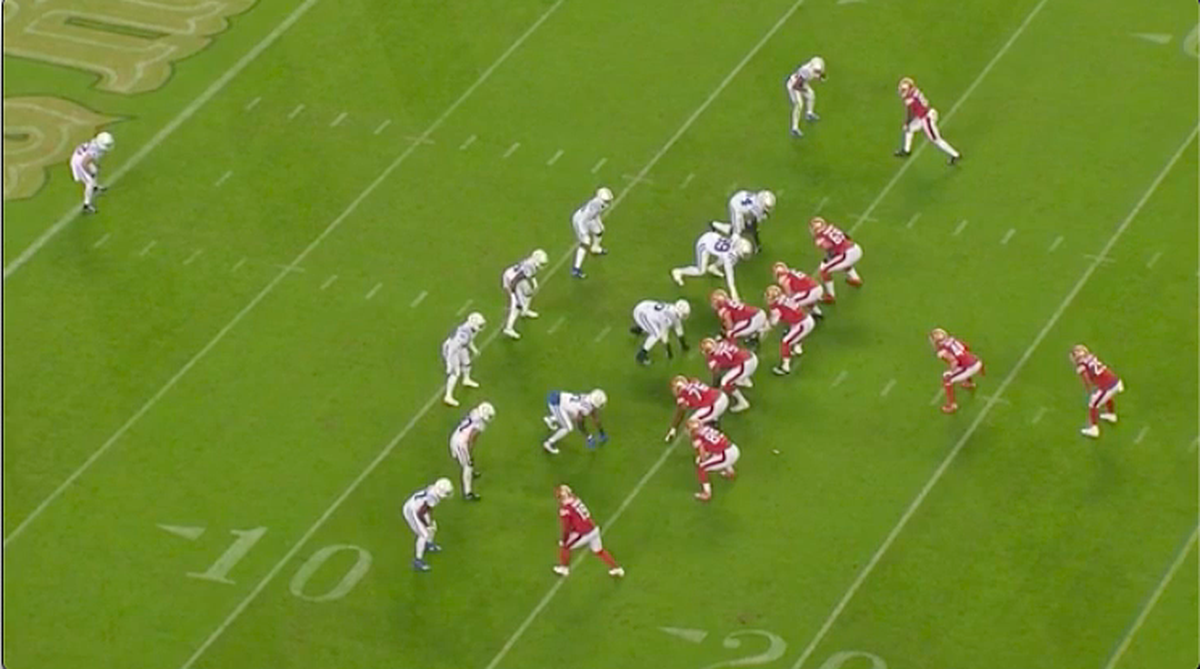
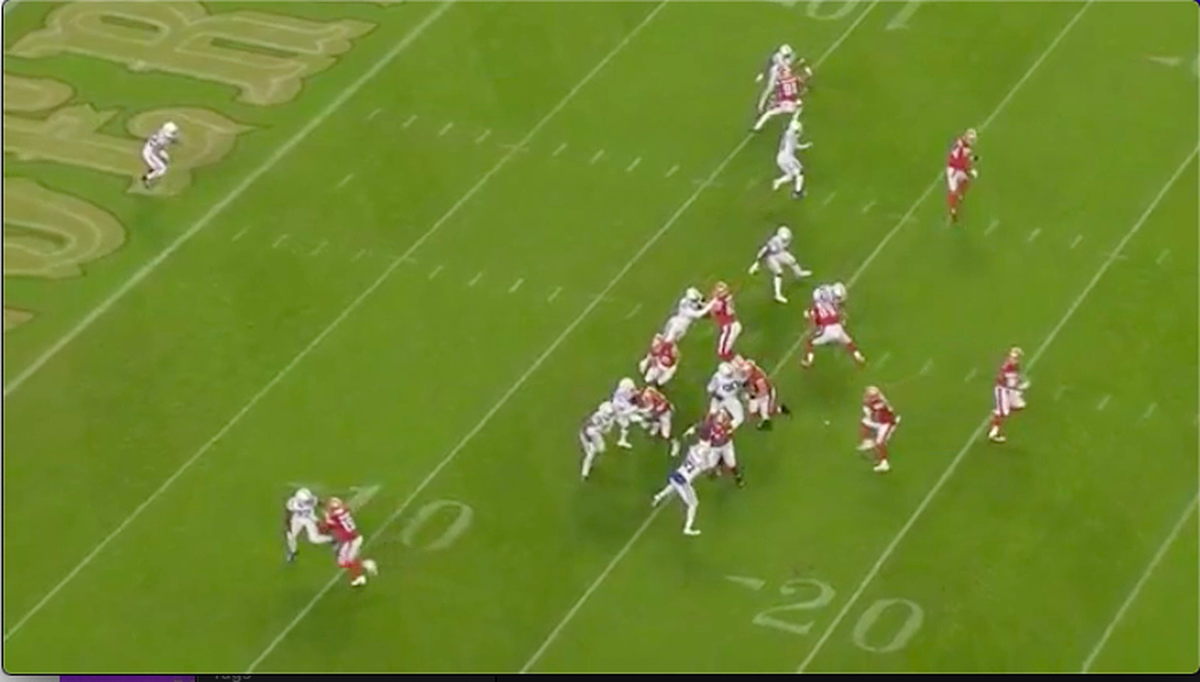
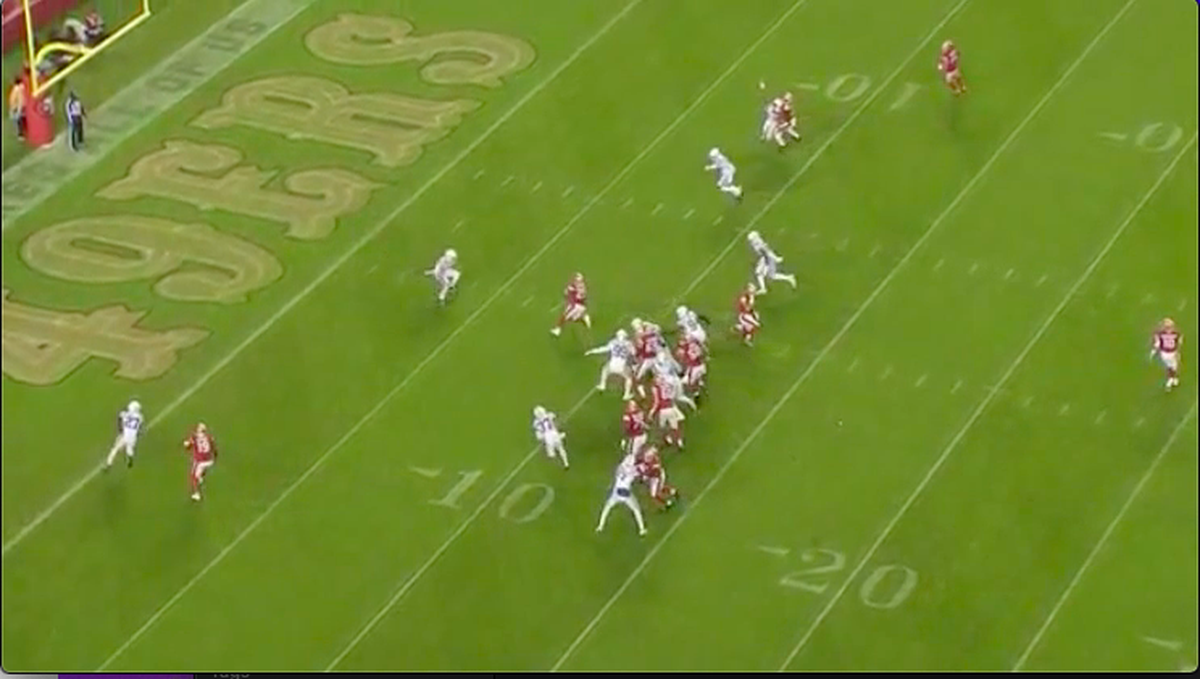
In the split zone concept, the running back doesn’t take the ball at as wide of an angle as the outside zone run. But a player, usually a tight end or fullback, comes across the face of the play — in the opposite direction of the linemen and back — to block a backside defender. The misdirection aims to confuse the second-level defenders and still create a crease for a cutback lane. The 49ers used this concept in a Week 7 game against the Indianapolis Colts. Tight end George Kittle flows against the moving linemen to seal a defender in pursuit and that block springs the cutback lane for a touchdown.
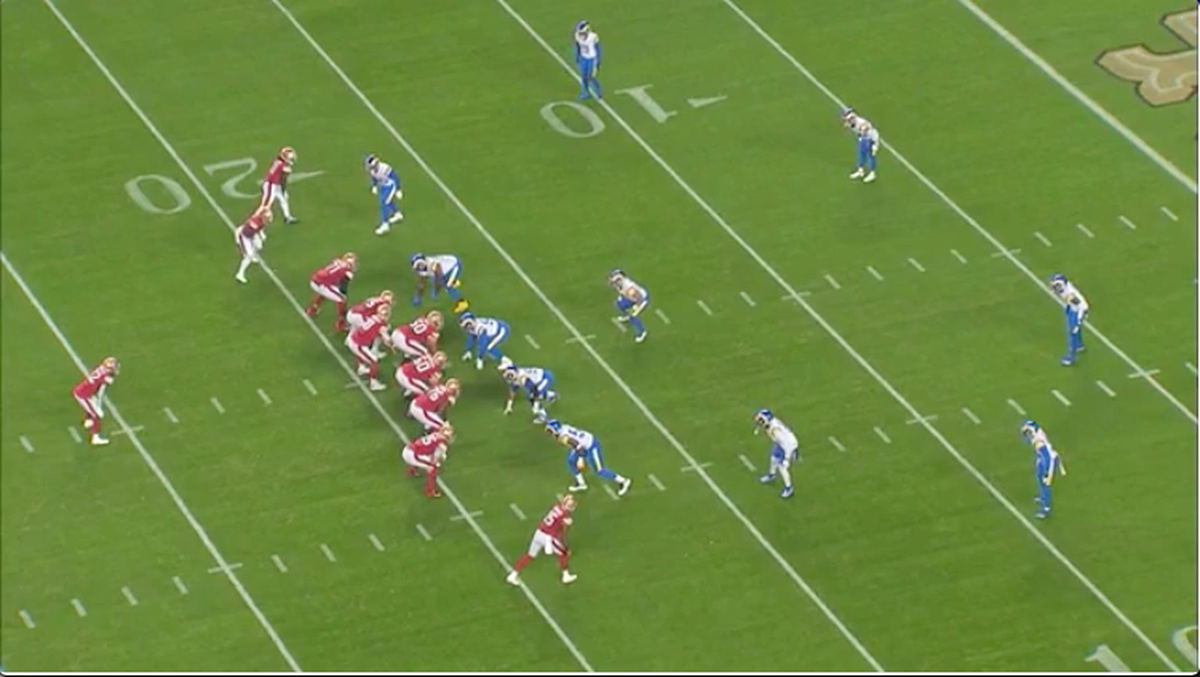
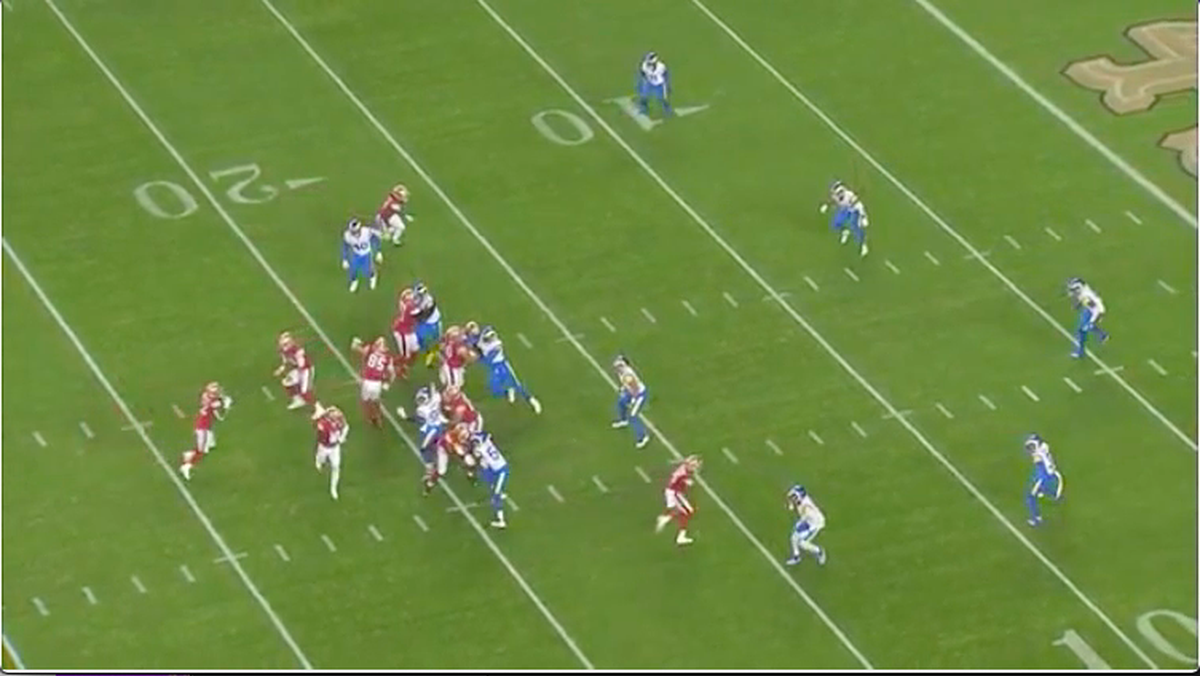
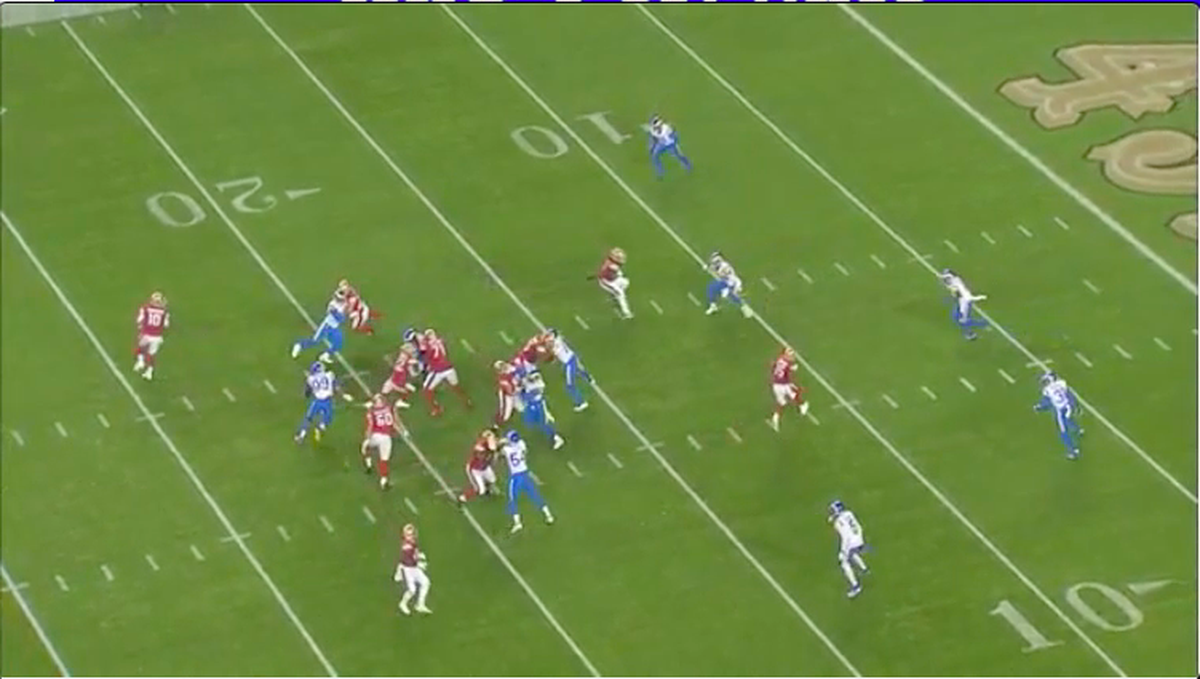
In some situations, McDaniel will call for a pitch play but instead of tossing the ball horizontally, the quarterback will toss it vertically right to the running back. The linemen will still block for a zone run but with the allusion of an outside toss. If defenders pursue the edge too much and vacate their spots, a cutback lane should be available. San Francisco ran this play in Week 10 against the Los Angeles Rams, with Kittle once again cutting across in a split zone concept.
Passing game
In addition to West Coast-style passing concepts that focus on horizontal, in-breaking routes, the Dolphins will seek to execute play-action pass plays that mirror their run plays at the snap. In Week 1, after executing two toss plays for big gains, the 49ers faked a toss and rolled quarterback Jimmy Garoppolo to the right. The defenders bit on the fake, and two pass-catchers leaked into the space they vacated. Garoppolo found Kittle for a large gain, much of it coming after the catch.
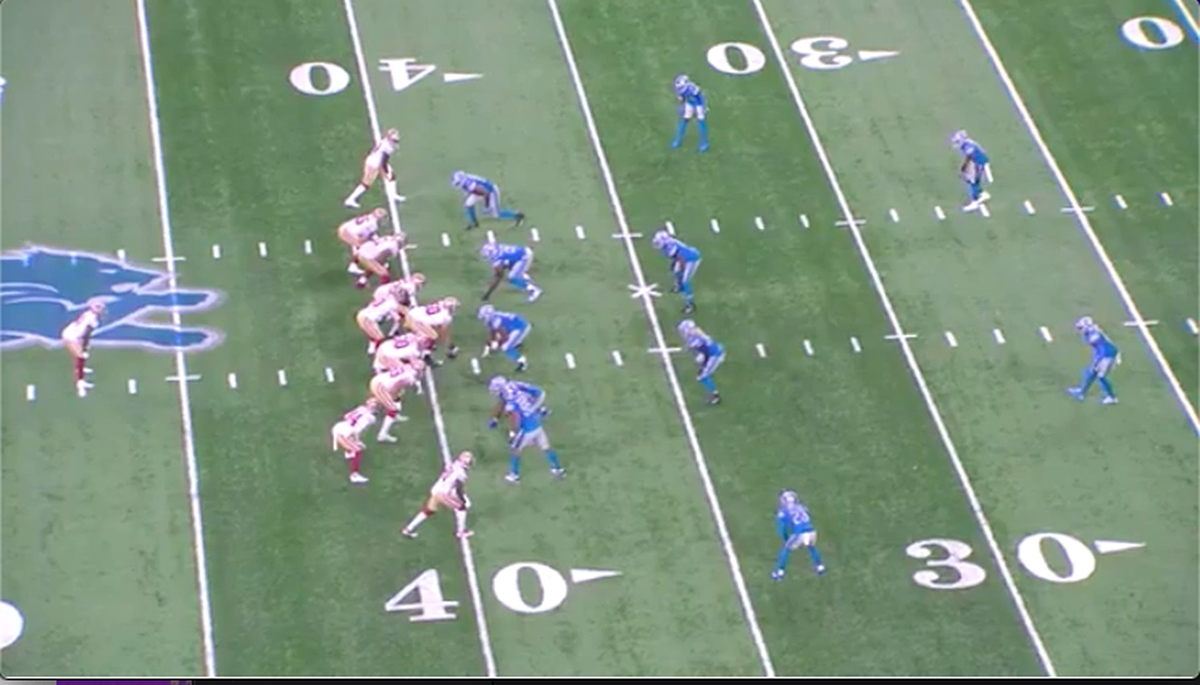
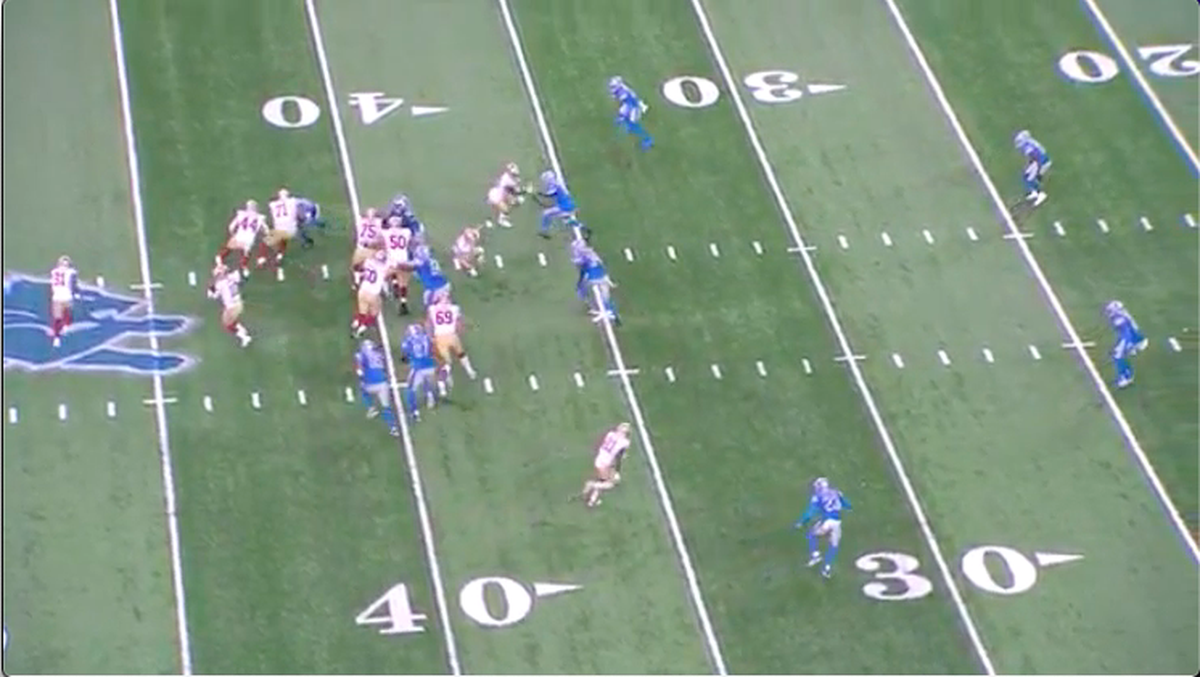
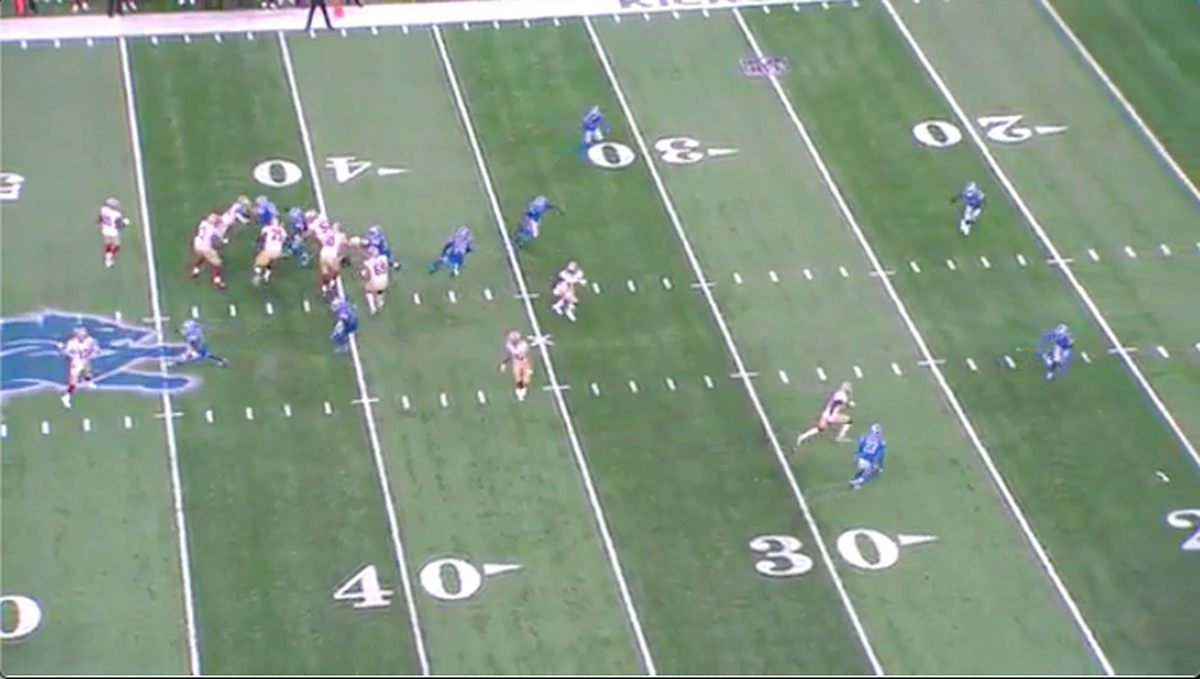
“There’s no standalone plays,” McDaniel said. “If you’re going to defend this play and this play doesn’t work, you better have something off of that so that another play will work, as opposed to just rolling the dice and throwing random plays at people. Systematically, it’s all tied together.”
Manipulating defenses with play action should assist Tagovailoa to work the middle of the field better, a space that he often neglected last season. 34 percent of the 49ers’ attempts last season went to the middle of the field, which led the NFL, according to Football Outsiders. In 15 games, Jimmy Garoppolo attempted 302 passes between the numbers on the field, completing 219 attempts, per Sports Info Solutions. In 13 games, Tagovailoa attempted 199 passes between the numbers and completed 171 attempts.
Attempting passes over the middle of the field should also allow more opportunities for yards after the catch, an area in which San Francisco has excelled in recent years.
In 2021, the 49ers averaged 6.9 yards after the catch on passes from Garoppolo, which led the NFL. Tagovailoa’s 4.8 yards after the catch on passes he threw ranked in the bottom-six of the league.
“The biggest thing for us is YAC. We want to YAC the heck out of teams,” Tagovailoa said in April.
Wide receiver runs
Last season, Deebo Samuel emerged as one of the most dynamic players in the NFL as he began to carry the ball more. Along with handoffs from jet motions, the 49ers would place Samuel in the backfield and hand him the ball as if he was a running back. This role increased in the second half of the season; Samuel carried the ball 53 times after Week 8.
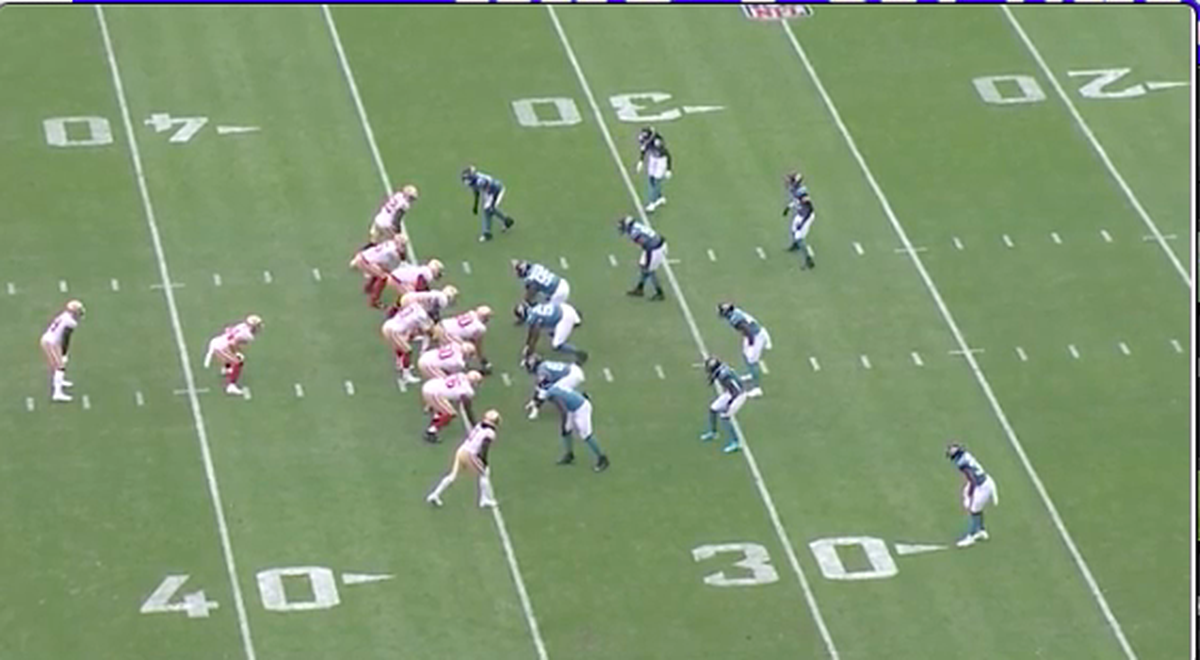
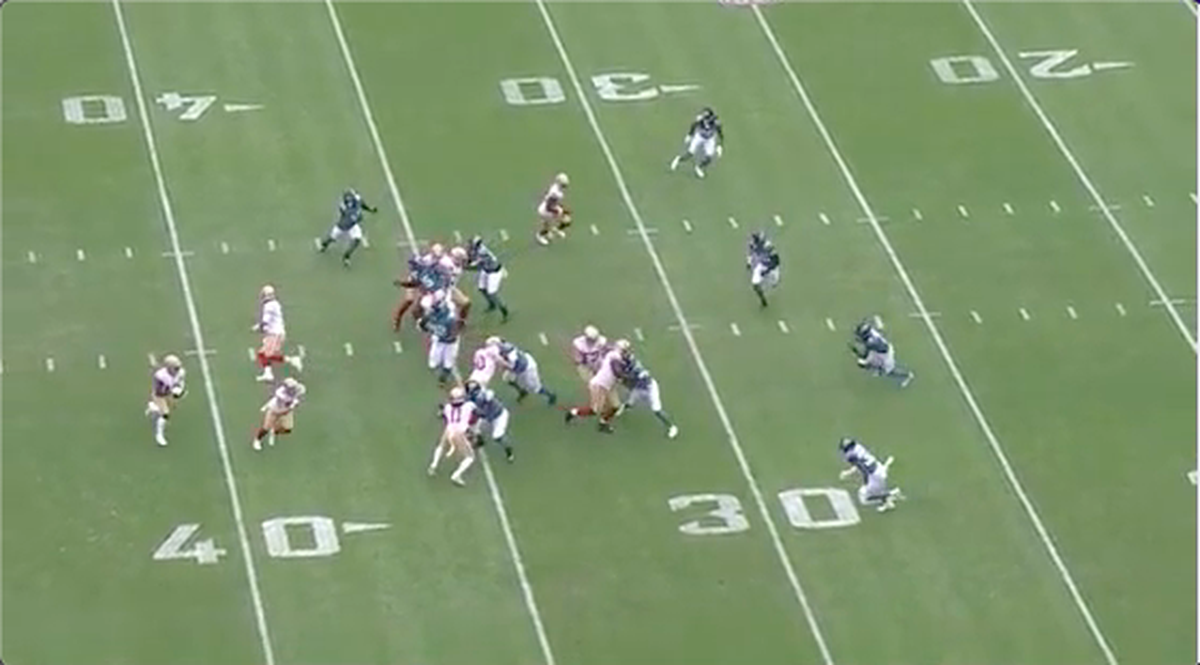
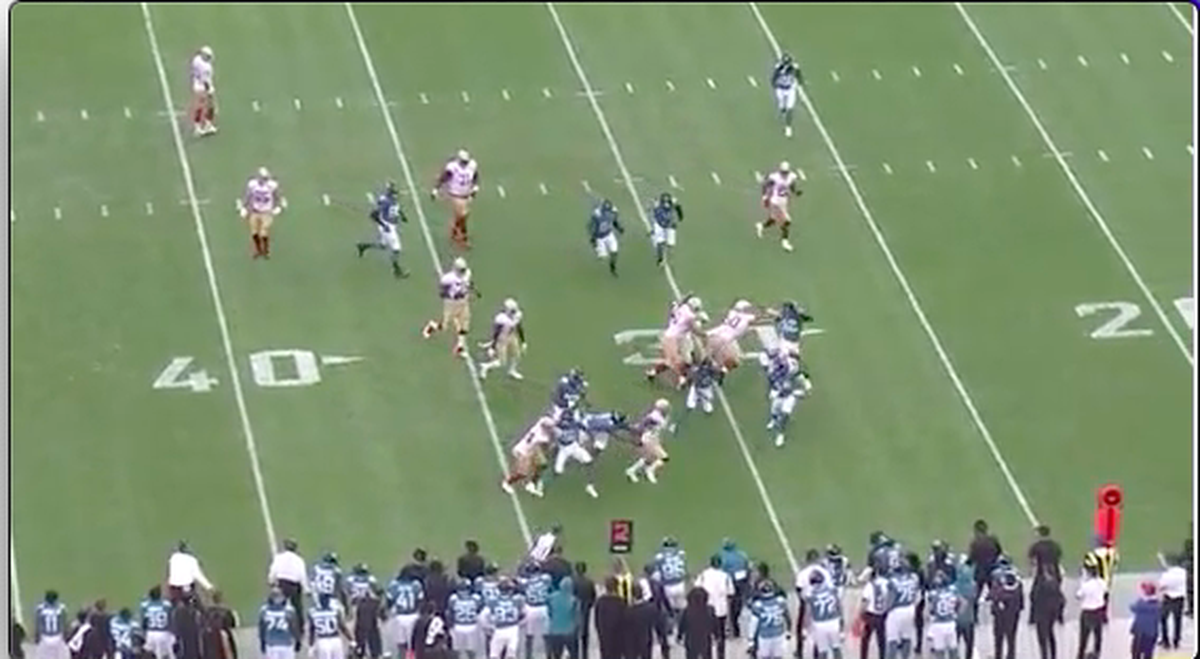
In a Week 11 game against the Jacksonville Jaguars, the 49ers use an outside toss play but with Samuel as the ball-carrier.
While neither Tyreek Hill or Jaylen Waddle possess the build of the 6-foot, 215-pound Samuel, McDaniel could find similar ways to get the two sub-4.4 40-yard dash runners the ball. For his career, Hill has carried the ball 93 times for 719 yards and six touchdowns.
Personnel
One of the more interesting phenomenons for the Dolphins offense in 2022 is regarding which players see the field and how often. The Dolphins signed Cedrick Wilson Jr. and fullback Alec Ingold, moves that signal they will be using more 11 personnel [one running back, one tight end, three receivers] and 21 personnel [two running backs, one tight end, two wide receivers], as opposed to 12 personnel [one running back, two tight ends, two wide receivers].
In 2021, the 49ers used 11 personnel on 48 percent of their plays, according to Sharp Football Stats. Miami used 11 personnel on a league-low 28 percent of plays.
San Francisco used 21 personnel — most often the second running back was fullback Kyle Juszczyk — on 34 percent of plays, the team’s second-highest used grouping. The Dolphins ran just 10 plays with 21 personnel and didn’t have a traditional fullback on the roster.
And while the Dolphins used 12 personnel on 61 percent of plays, the highest rate in the league, the 49ers used that grouping on 10 percent of their plays. If that carries over to Miami, it could portend a diminished role for one of the Dolphins’ top tight ends, whether that be Gesicki, who struggles as a blocker, or Durham Smythe, who blocked way more than Gesicki but isn’t as dynamic as a pass-catcher. It’s one of the many moving parts McDaniel will have to sort out in training camp and even during the season.
This story was originally published July 25, 2022 at 8:00 AM.