
Former player Joel Anthony brings Miami Heat culture to Montreal as an executive
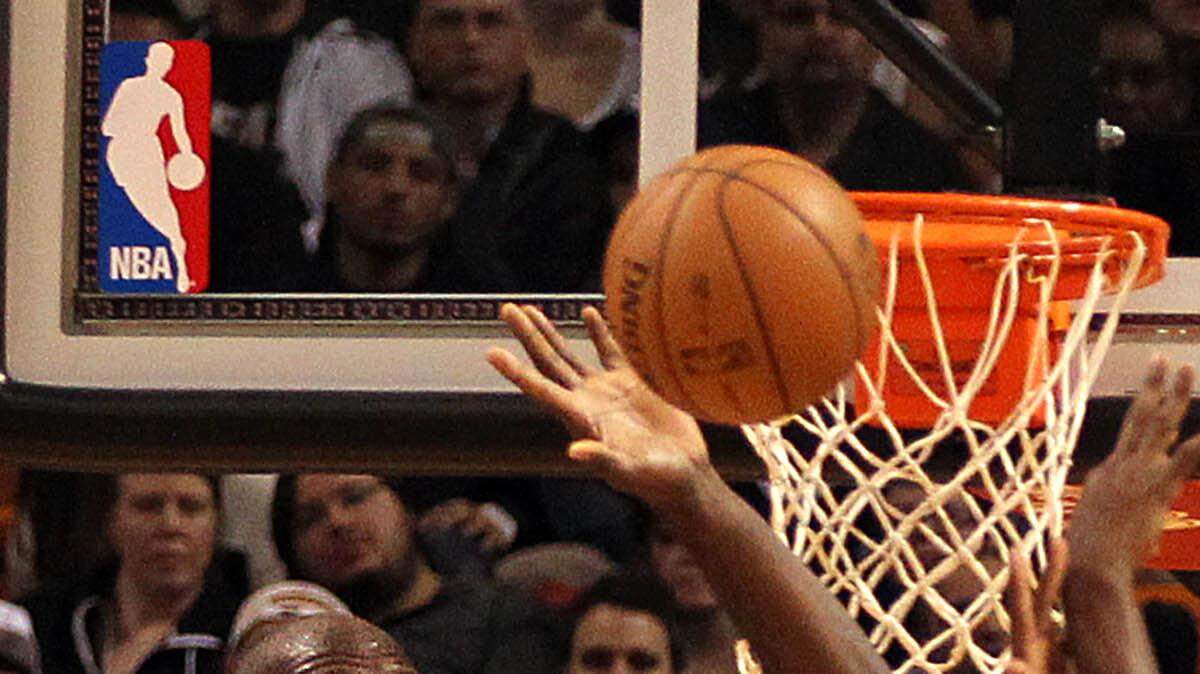
Polite, soft-spoken and perhaps even librarian-like, Joel Anthony would be an odd vessel to take Heat culture to Canada if not for the seven years he spent sponging up all he could from team president Pat Riley, coach Erik Spoelstra and the rest of the Miami Heat’s superintendence.
Turns out he is the ideal ambassador to bring a bit of Miami to Montreal.
Anthony, 40, recently completed his first year as general manager of the CEBL’s Montreal Alliance, one of the Canadian professional basketball league’s newest expansion franchises. Part of Anthony’s job is to help build everything — including the roster, practice schedules and relationship with fans — from the ground up. The lessons Anthony learned during his playing days with the Heat have informed how he’s gone about doing just that.
“It’s helped tremendously,” Anthony said of his time in the NBA. “I was very fortunate and blessed to be in some really good organizations. I started out just about seven years in Miami, which is one of the blueprints and standards in terms of how to operate our organization.”
A 6-foot-9 center who grew up in Montreal and went undrafted in 2007 after three years at UNLV, Anthony carved out a career with the Heat from 2007 to 2014, starting 110 games and winning two championships. When in 2010 LeBron James and Chris Bosh joined Dwyane Wade to kick-start the Big 3 era, Anthony managed to stick around because his screen-setting, rebounding and astute defense made life easier for the team’s high-wattage stars.
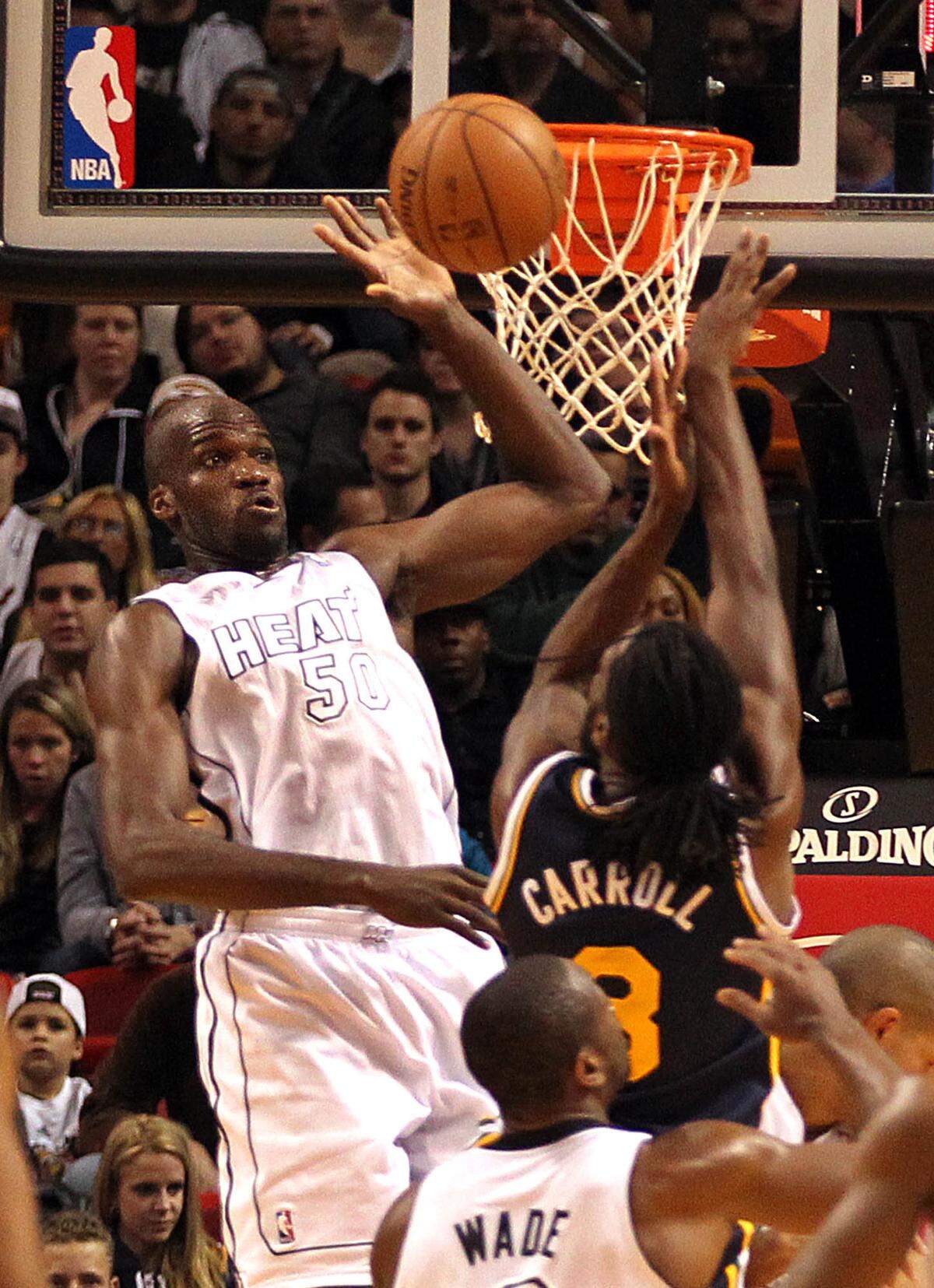
“Everybody talks now about Miami Heat culture, Joel was one of the first ones,” Spoelstra said. “An undrafted guy who had a big chip on his shoulder, who committed to everything in the process to really carve out a great long career in the league, which opens the doors for other possibilities in this game.”
Said Alliance guard Kemy Ossé: “The man has won at every level. So for him to win NBA championships and say that ‘My role wasn’t to score,’ that means he’s putting his ego aside. It humbles you, and you’re like, ‘Okay, I probably should start thinking like that.’”
After stops in Boston, Detroit, San Antonio and, finally, Argentina, Anthony retired from playing professionally in 2020. Throughout his 10-year career, he never thought he would end up in a front office.
Coaching, maybe. As a 32-year-old with the Pistons, he enjoyed shepherding the team’s young players through the early stages of their NBA careers. When it was time to retire, he envisioned himself doing the same thing in a more official capacity.
So in 2020 Anthony returned to Canada, where he became a player consultant for the CEBL’s Hamilton Honey Badgers. But the more time he spent around the team, the more time he found himself shadowing executives in management. He still got to teach players the art of screen-setting, rebounding and defensive positioning, but found that things even at the macro level of the front office were just as detail-oriented.
“One of the biggest things that I notice across the board is details in terms of the different type of players, what you want from your coaches and from your staff, details within the operations of the organization, whether it’s transportation or food, or on the medical side,” Anthony said. “There’s just so many things that you have to look at. I’m fortunate to have been able to experience that at the highest level.”
When it was announced the league would be expanding with three new teams in 2021, Anthony was an obvious candidate for the new Montreal general manager job. He aced his interview with the Alliance, done on Google Meet in the midst of the coronavirus pandemic.
“Right from the get go, I could feel that we share the same values,” said Annie Larouche, Montreal’s vice president of operations. “It was important to have those roots from Montreal.”
As general manager of the team in the CEBL’s largest market, Anthony presides over the basketball operations in Canada’s burgeoning basketball hotbed. Three Montreal natives — Chris Boucher and Khem Birch of the Toronto Raptors and Oklahoma City Thunder guard Luguentz Dort — have followed in Anthony’s footsteps and play in the NBA.
In their first season, the Alliance ranked near the top of the league in attendance and merchandise sales despite finishing the season with the league’s worst record (4-16).
Ask anyone in the fledgling organization, however, and the unimpressive record of Year 1 doesn’t reflect the success they believe they are building toward. This confidence ripples from Anthony’s presence, who often told players to ignore the wins and losses and focus on their state of mind. “I want you guys to feel comfortable being here,” he would say.
“When you got people that want to be there, that want to go to war for you, you’re going to end up winning,” Ossé said, “and I think he’s building that right now.”
Anthony manages a staff of 12, including coaches and executives. His day-to-day responsibilities also include reaching across the aisle to marketing, ticket sales and community relations. All comes with the territory of being a general manager.
Anthony chuckles now as he admits there was a learning curve. For help, he had longtime Heat employee Keith Askins — who in more than 30 years with the franchise held positions as player, assistant coach and in the front office — on speed dial.
“There’s just so much that goes on,” Anthony said. “In this position, it’s my job to manage those things, as opposed to as a player, you’re able to focus more on yourself.”
But, for Anthony, the players always come first.
“I like to relate to my players more and cater to them,” Anthony said. “Have a playercentric program.”
For example, during the season when organizing travel schedules with the staff, Anthony represented the players’ point of view. Though operations said it made financial sense to hold a practice after a long day of traveling, Anthony spoke up in the meeting. “No, 80 percent of the players on the team are not going to like this,” he said. They changed the schedule.
There’s an emphasis on optimizing practice for player development, not convenience. Anthony admires the Heat’s player development program and seeks to emulate it in Montreal.
He stresses the importance of “daily vitamins,” a phrase he learned in San Antonio from Gregg Popovich that describes the individual work assigned to each player to accelerate their progression.
Anthony speaks glowingly about the intensity of Miami’s training camps and conditioning standards. Like Riley, Anthony will attend nearly every practice, usually supervising but occasionally throwing on a pair of Nikes to rebound and contest shots. It’s something Riley and Spoelstra have been known to do as coaches.
On game days, Anthony is always in the building but never in the same place. Sometimes he sits courtside, other times he’s mingling with fans and signing autographs. In the NBA’s realm of private jets and fancy hotel accommodations, it’s common for management to attend road games. Not the case in the more economical CEBL. But that didn’t stop Anthony from traveling and organizing team dinners on the road.
“He’s the first GM that traveled with us to every game,” said Ossé who, at 29, has played for four other professional teams in Canada. “He’s the best GM that I’ve had.”
But like any Heat disciple, Anthony knows good vibes only go so far. Eventually, the wins must follow.
“He’s a very sharp guy and he sees the big picture, and I think this does make a lot of sense,” Spoelstra said. “And jump-starting a program and building the culture from the ground up, I think would be really a fun experience.”
It’s not easy in the CEBL with smaller staffs, shorter schedules and a more limited talent pool, but easy has nothing to do with what Anthony aims to establish.
“More than anything,” Anthony said, “I’m just looking forward to the work.”