
Without a new sponsor for the Miami Heat arena, county owes $2 million to team
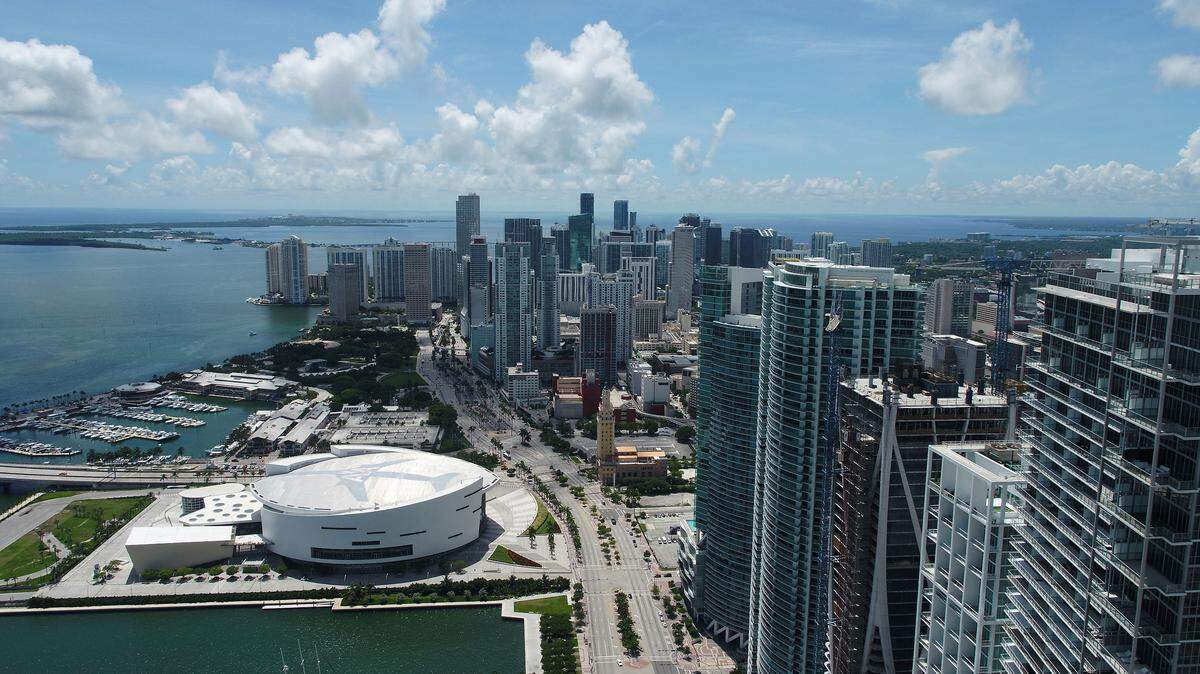
With talks still underway to find a new title sponsor at the Miami Heat’s county-owned arena, Miami-Dade will need to use county dollars to pay the team up to $2 million in 2020 to cover the missing naming-rights revenue when the existing deal with American Airlines expires Jan. 1.
The administration of Mayor Carlos Gimenez officially ran out of time Tuesday to have a new naming agreement approved by the County Commission before 2020, when American’s deal ends and Miami-Dade takes over sponsorship responsibility from the Heat. The first $500,000 quarterly payment to the Heat is due March 31, covering the first three months of the year.
Gimenez said Tuesday he’s confident the lapse in sponsorship deals won’t end up costing Miami-Dade anything, since higher fees from the new deal will make up for what the county would have earned in early 2020 under the existing payment structure with American. A county consultant last year said a new deal would be worth at least triple what American pays.
“I’m not concerned,” Gimenez said. “We always said we might have to carry it for a while. But I’m confident we’re going to more than make up for it.”
A new sponsor requires commission approval, and the board concluded its final meeting of 2019 on Tuesday without an agreement in place. For now, it’s unclear what the current “AA Arena” will be called on Jan. 1 after the expiration of the American deal, in place since the facility opened in 1999.
Heat vice president Lorrie-Ann Diaz declined to comment on the county’s sponsorship process, and an American spokeswoman was not immediately available for comment.
Myriam Marquez, communications director for Gimenez, also did not clarify what Miami-Dade plans to do with the American name on Jan. 1. “All of that is part of the negotiations,” she said.
American has already confirmed its sponsorship would not be extended after 2019, and sources familiar with the talks last month identified TD Bank as the leading contender to have its name on the downtown Miami arena in 2020.
The expiring American deal stems from a reworking of how Miami-Dade subsidizes the Heat and manages revenue from a county facility that the NBA team rents and manages year-round.
Currently, the county subsidy for arena operations costs Miami-Dade about $5.5 million a year. It would be $7.5 million, but the county gets a credit for the $2 million that American pays for its sponsorship deal negotiated directly with the Heat.
In 2018, Miami-Dade exercised its option to end that arrangement and take on the naming-rights talks itself. That brings some risk — Miami-Dade must pay the Heat the $2 million per year that American was paying, even if a new sponsor isn’t in place or spends less.
But given that other arenas already charge more for naming rights — American pays about $6 million a year for its NBA sponsorship of the Dallas arena where the Mavericks play — the Gimenez administration is confident the new deal will mean a windfall for the county once an agreement is reached.
A consultant Miami-Dade hired to find a sponsor, the Superlative Group out of Cleveland, told commissioners last year that the county should expect to at least triple the $2 million that American is paying to put its name on the downtown Miami arena.
“We think it’s a very good opportunity to make a lot more money than we make now,” Superlative’s Myles Gallagher said during the October 2018 meeting when commissioners accepted Gimenez’s recommendation to take over naming rights from the Heat.
The county pays its Heat subsidy with hotel taxes, a revenue source with some limits on how the money can be spent. The new sponsorship deal would generate unrestricted dollars for Miami-Dade’s general government needs, such as police parks, according to a summary presented at the 2018 meeting.
The administration urged commissioners to endorse a quick start to the sponsorship hunt at that meeting, given the Jan. 1, 2020, expiration of the existing deal.
Consultants “tell us that it takes 12 to 18 months to negotiate a deal of this magnitude,” Jose Galan, then the county’s real estate director, told commissioners at the Oct. 23, 2018, meeting. “We’re about 14 months out.”
This story was originally published December 18, 2019 at 5:30 AM.