
Ransom Everglades athlete hikes for 60 days and covers 1,000 miles on Appalachian Trail
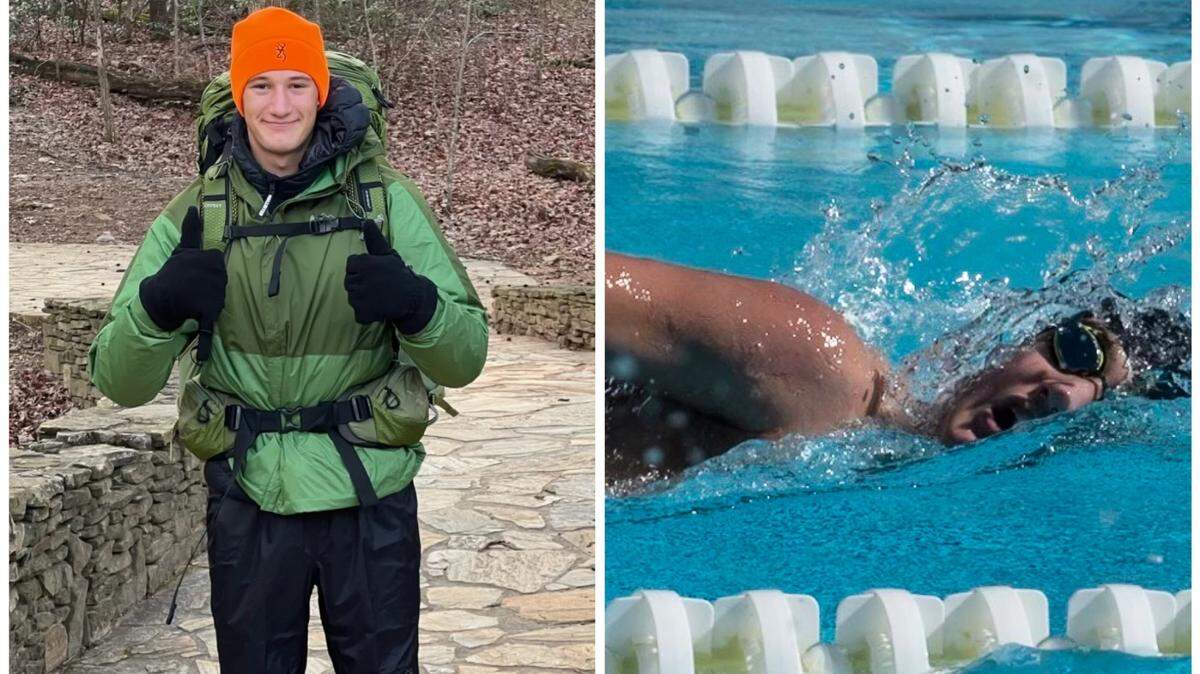
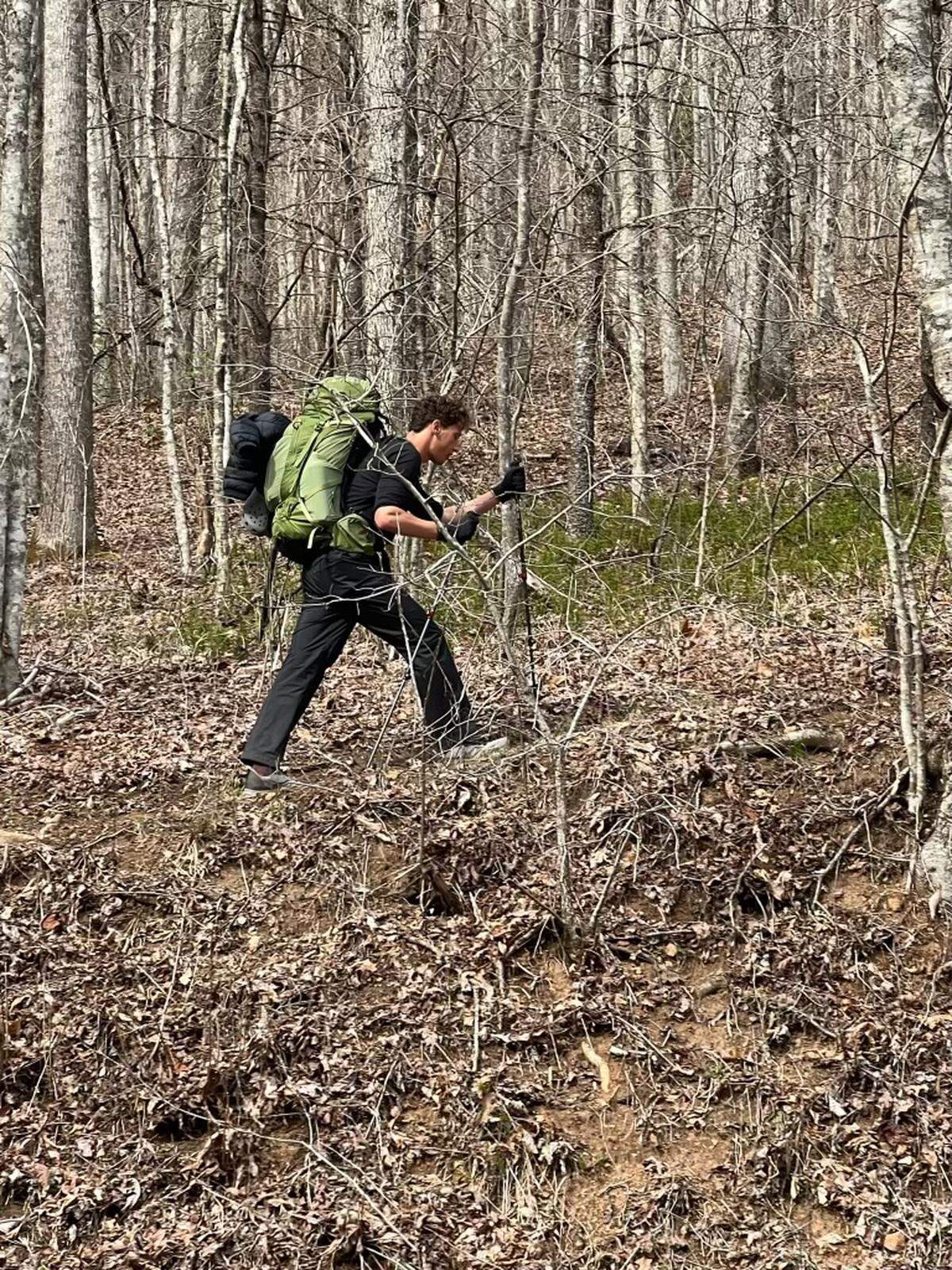
Ethan Sullivan lost 10 pounds this summer, and he did it the old-fashioned way – hiking eight-to-12 hours a day and covering 1,000 miles along the Appalachian Trail.
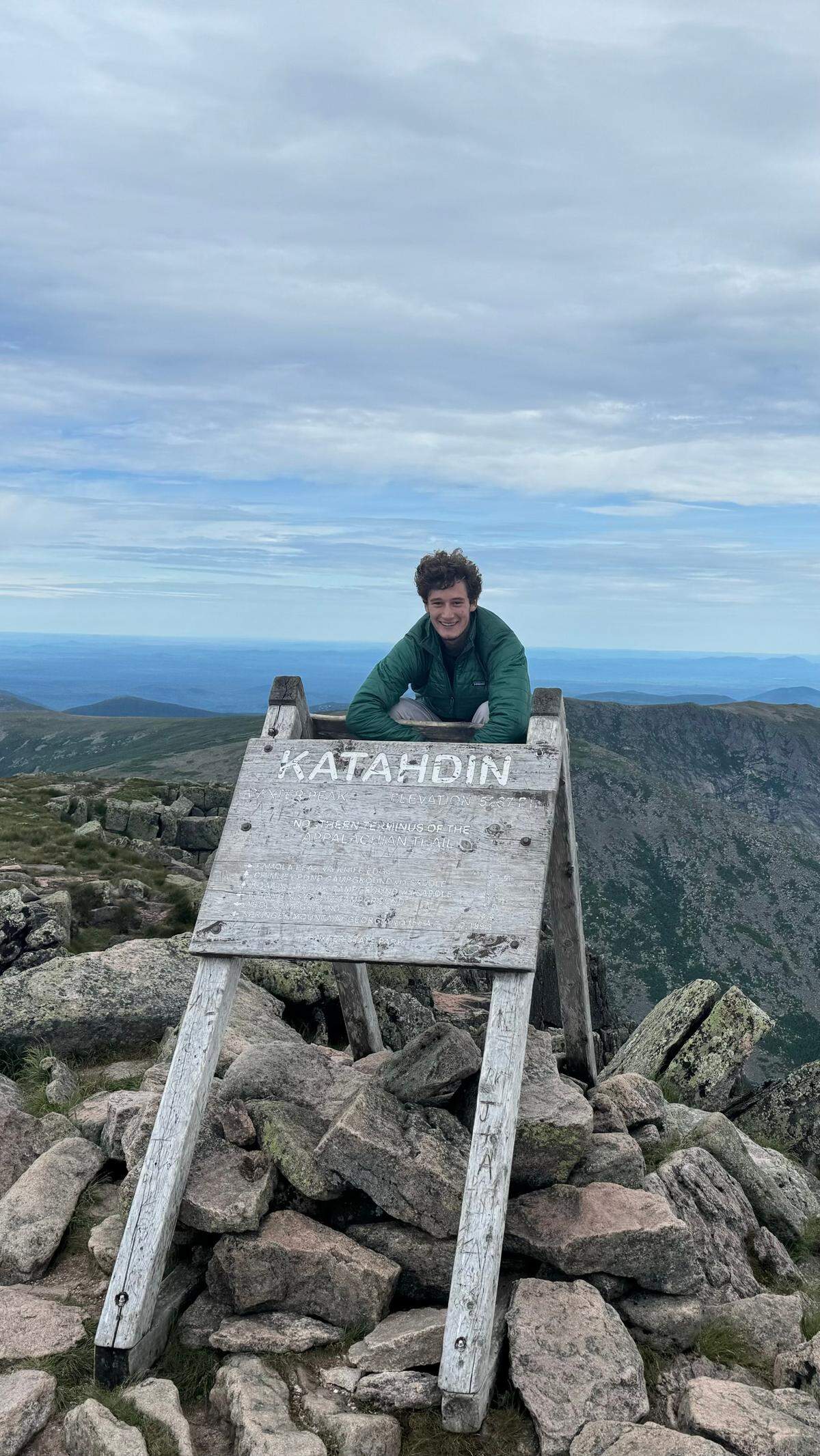
The entire Appalachian Trail covers 2,190 miles and cuts through 14 states between Springer Mountain in Georgia and Mount Katahdin in Maine.
It is the world’s longest hiking-only trail, and more than three million people hike segments of it each year.
Sullivan, a 6-0, 170-pound senior, is fit – he swims and runs cross-country at Ransom Everglades. But he outdid himself this past summer, hiking by himself for 60 days.
He got through roughly half of the Trail, and he might have been able to do more had it not been time to return to school.
Aside from his weight loss, the Appalachian Trail took a toll on his body.
“By the end of my journey, everything hurt,” Sullivan said. “My biggest challenge was that my legs were in a great deal of pain, but I had to stick with it.”
Sullivan started the Trail in Georgia. Halfway through the summer, he flew to Maine so he could start on the northern end and head south. That gave him a fuller perspective.
Periodically, his parents met him on the Trail to re-supply him with food and other needed items.
The hiking trip came about after Sullivan applied for and won a Ransom Everglades Bowden Fellowship. His mission was to find out why people hike the entire Appalachian Trail, which, on average, takes five-to-seven months to complete.
As part of his fellowship, Sullivan interviewed fellow hikers and posted the audio clips online.
Shy at first, Sullivan didn’t talk to anyone for the first week of his hike. But then he started meeting people at the hostels he stayed at, and he ended up doing about 25 interviews in two months.
“What I found was there are a wide variety of reasons why people make that hike,” Sullivan said. “I talked to college students who are taking a gap year. I talked to 80-year-old retirees and everything in between.”
Ransom cross-country coach Don Kappelman raves about Sullivan.
“Ethan is an outgoing, strong-willed kid,” Kappelman said. “He’s fascinating to talk to on a range of subjects.”
Ransom swimming coach Franz Huggins said he has “nothing but the utmost respect” for Sullivan.
“His aspiration to hike that trail was appropriate because he is the right person,” Huggins said. “I couldn’t be prouder of him.”
Added cross-country teammate Nelson Manstein: “Ethan is amazing. It can’t be easy to hike that trail. You have to have a mindset to endure.”
Sullivan has a brilliant mind – he’s a straight-A student whose parents are both emergency-room physicians.
In college, Sullivan will likely focus on academics only, and he said his major figures to be neuroscience or anthropology.
Sullivan started as a competitive swimmer at the age of five. At six, he started competing in local 5k runs with his mother.
The next year, he started doing triathlons. By age 13, Sullivan was competing in triathlons nationally, becoming a three-time All-American. In all, he competed in seven triathlon national championships, traveling to states such as Utah, Iowa and Ohio.
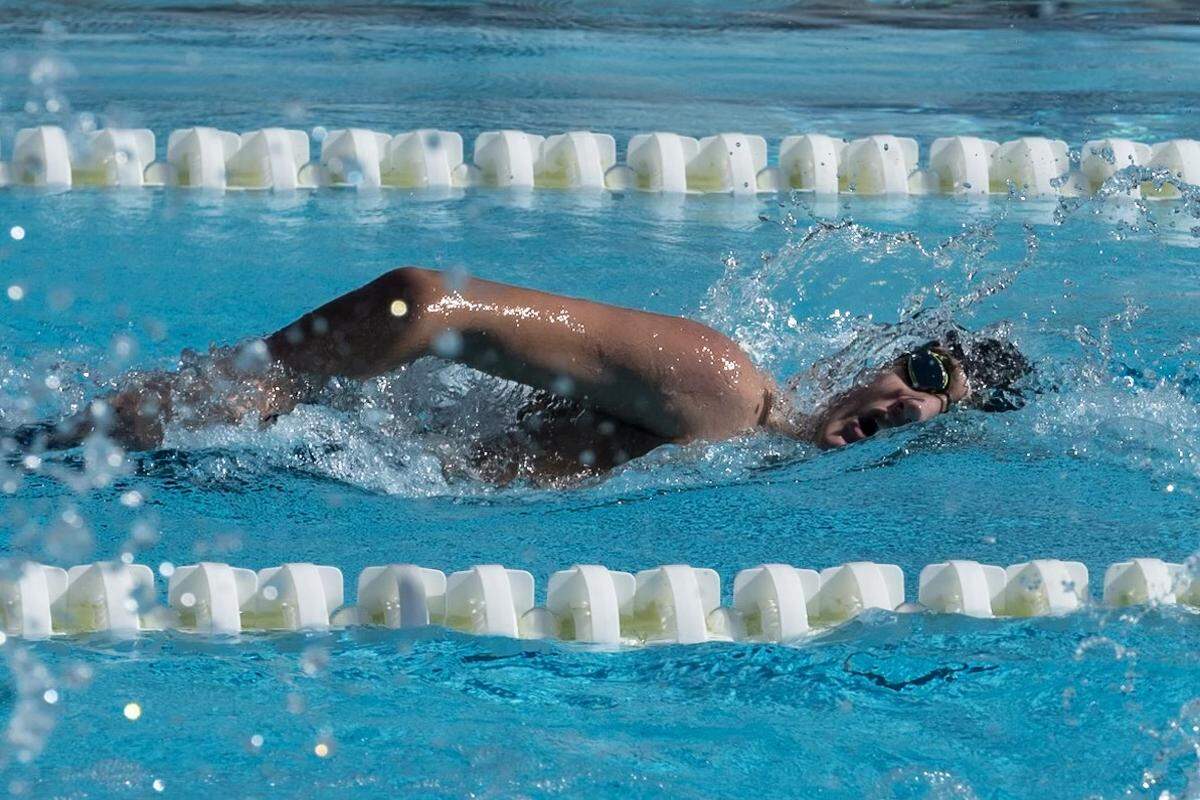
At Ransom, Sullivan has split his time between swimming and cross-country – which are both fall sports.
But all those miles – in the pool and on grass/pavement – caught up to Sullivan last track season, when he missed four months due to a stress fracture in his left hip.
In the past, Sullivan swam 500-yard races. This year, in an attempt to stay away from injuries, he is swimming shorter distances.
“At some point,” Sullivan said, “I have to listen to my body.”
He did a lot of that along the Appalachian Trail as conditions were often difficult. There were hot days in Virginia where temperatures soared into the 90s, and Sullivan had to make sure he had enough water in his backpack.
Then there were days in Maine when it got down to 40 degrees with 30-mph winds.
The Appalachian Trail is relatively safe, but it can be a dangerous place.
Many animals live along the trail, including bears, snakes, wild boars and raccoons. Mice that invade backpacks and sleeping bags are a dangerous hazard, and so are deer ticks carrying Lyme disease.
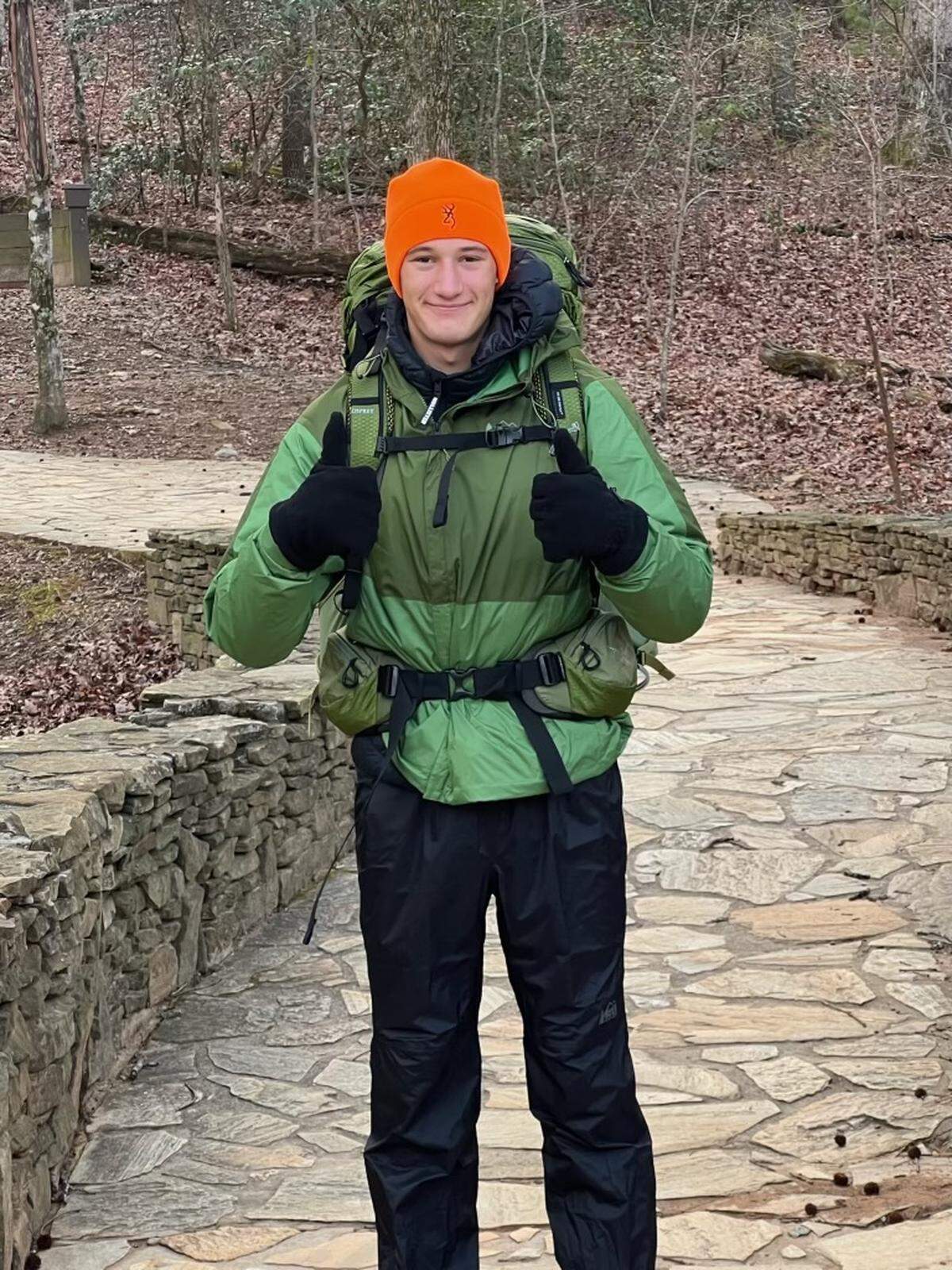
Fortunately for Sullivan, nothing bad happened, although he did see a bear.
As for navigation, the trail is marked by white paint blazes, and blue blazes lead to shelters and viewpoints.
For food, Sullivan had freeze-dried meals as a foundation.
“A big staple was Nutella on tortilla chips,” Sullivan said. “I also had a lot of candy bars.”
At some point in the coming years, Sullivan wants to go back and do the entire Trail.
In the meantime, he will take the lessons he learned during those grueling 60 days.
“The Trail made me so grateful for everything I have – my family and friends but also modern civilization. That means a non-leaky roof over my head, a comfortable bed, a warm meal and a hot shower.
“My other big takeaway has to do with sports. The Trail taught me determination, and that’s something I can use in swimming and running.”