
New streaming service is like Netflix for boxing fans. It gets first big test Saturday
Ever since the advent of televised images, the showcasing of elite fights and signature fighters has featured obvious transitions.
Boxing was a popular attraction with the introduction of television in post-World War II America and it maintained a presence throughout the 1950s. When the importance of fights escalated to a greater demand, closed circuit transmissions at selected locations became the norm.
In the 1970s and 1980s, cable television, and specifically premium networks HBO and Showtime, replaced the closed circuit concept for must see bouts. The impact of HBO and Showtime eventually spawned the pay-per-view model fight fans have dealt with the past four decades when required to watch a preeminent match.
Now, watching fights is undergoing another transformation. Although still in its infancy, the streaming service is considered by many as the platform that will subsequently replace the pay-per-view vehicle. ESPN has added a streaming platform for its viewing options and boxing is a notable selection. In the past year, boxing promoters also have struck deals with Facebook to present fights on the social network site.
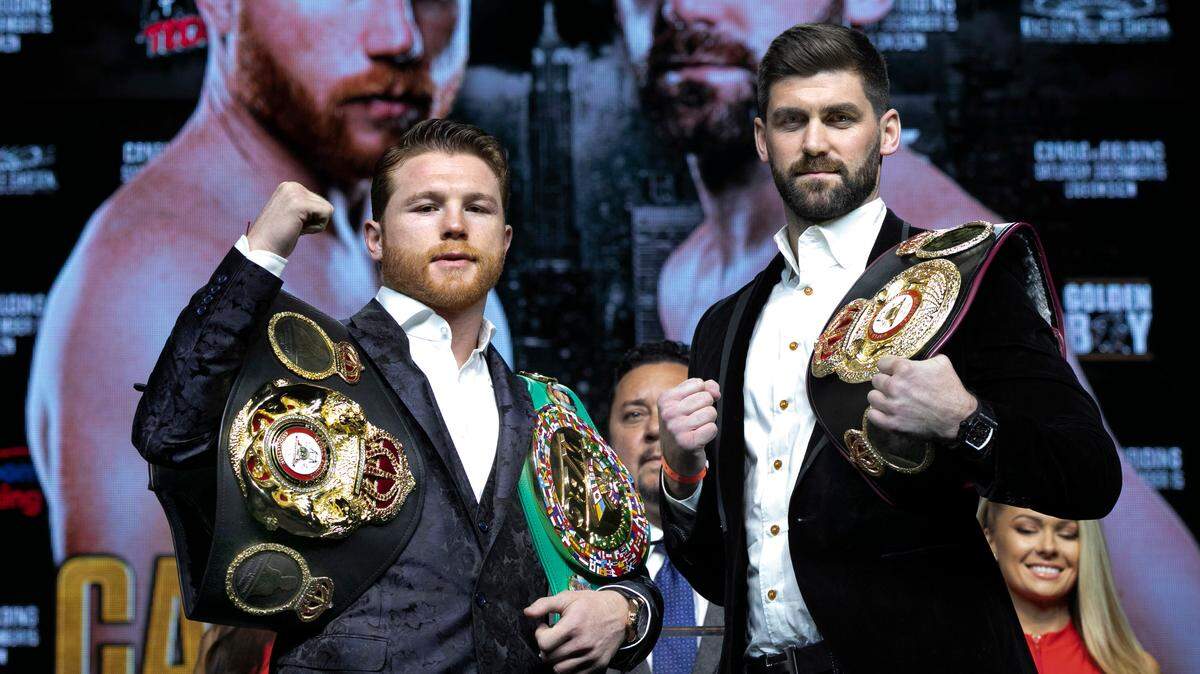
But the possible lasting effect of the streaming service will have its first important test Saturday night. Mexico’s Saul “Canelo” Alvarez, considered the sport’s top pay-per-view attraction, will begin his 11-fight deal with DAZN when he fights England’s Rocky Fielding for a super-middleweight title at Madison Square Garden in New York.
“The (streaming) business has been around for a few years and our proposition has been to bring a better option for sports fans who love to consume live content and, in some shape or form, are hindered by how that content is distributed,” said Juan Delgado, DAZN Chief Ventures Officer. “You need to buy cable, pay-per-view an additional package etcetera.”
DAZN (pronounced “The Zone”), is a product similar to Netflix. Subscribers pay a monthly fee of $9.99, which allows access to the live fights as well as all other content offered by the service. The new subscription features a one-month free trial which will include the Alvarez-Fielding fight. According to Delgado, subscribers are guaranteed at least one live event per week.
“We’ve been successful in a number of markets, like Canada, and in the U.S. we’ve uncovered the value of boxing from an engagement perspective and the difficulties of the economics for how it’s been distributed historically,” Delgado said.
With fans no longer required to spend between $75 and $100 to watch an Alvarez fight, promoters will be hard pressed to find new pay-per-view attractions. Moreover, DAZN has a multi-fight deal with heavyweight champion Anthony Joshua. Extremely popular in his native England, Joshua routinely attracts in excess of 70,000 fans to his fights.
“We need to create brand awareness and use our athletes’ social media to draw the interest of those fans,” Delgado said. “We’ve taken a few notes from recipes around things like HBO 24/7, shows like ‘The Journey,’ which will air on Univision and Telemundo. It’s a multiple episode series that will build interest and awareness for fight fans.”
At its peak, boxing pay-per-views averaged between six and 12 telecasts a year but the options dropped dramatically in 2018. The two significant pay-per-view fights this year were the Alvarez-Gennady Golovkin rematch in September which generated approximately 1.3 million buys and the heavyweight title bout between Deontay Wilder and Tyson Fury on Dec. 1. According to early reports, the Wilder-Fury fight is tracking between 300,000 and 400,000 purchases.
An important outlet for televised fights that fans became accustomed to for two generations also ended its association with boxing. HBO, which aired fights since 1973, concluded its run of live broadcasts Saturday night. The network cited the proliferation of viewing options, including live streaming services, as a major reason for discontinuing boxing coverage.
“Yes, there have been reports about us pushing HBO of the markets,” Delgado said. “It’s half true – sports rights are expensive and securing quality events are tougher for the incumbent, but it’s a business that if you’re not focused on, it’s not something that you want to pursue. We didn’t kick them out but maybe we made it tougher for them to acquire the content they used to secure.
“If you calculate the money you spend on pay-per-view a year, which are $50 on average a piece, you can spend $120 on DAZN a year and get a ton more content and the same quality fights you’ve seen on HBO and Showtime.”
Lomachenko victorious
Late Saturday, Vasiliy Lomachenko won a lopsided unanimous decision over Jose Pedraza in their world lightweight title unification bout in New York. Enhanced by two knockdowns in the 11th round, Lomachenko (12-1) won the bout 117-109 on two scorecards and 119-119-107 on the third to retain his WBA belt and dethrone Pedraza (25-2) as WBO champion.
In the final HBO televised fight, Cecilia Braekhus won a unanimous decision over Alexandra Magdziak to retain her three sanctioning body women’s welterweight titles. On the same telecast, two time Olympic gold medalist Claressa Shields successfully defended her women’s middleweight title with a unanimous decision victory over Femke Hermans.
Plantation resident Xander Zayas won the USA Boxing National 152-pound Championship Saturday in Salt Lake City. Zayas, 16, defeated Orlando’s Derrick Jackson in the finals of the Youth Men division.
Coming up
Friday (10 p.m., ESPN Plus): Gilberto Ramirez vs. Jesse Hart, 12, for Ramirez’s WBO super-middleweight title.
Saturday (8 p.m., DAZN): Rocky Fielding vs. Saul “Canelo” Alvarez, 12, for Fielding’s WBA super-middleweight title.
This story was originally published December 9, 2018 at 3:21 PM.