
African teams shine in expanded World Cup field, nine of 10 in knockout rounds
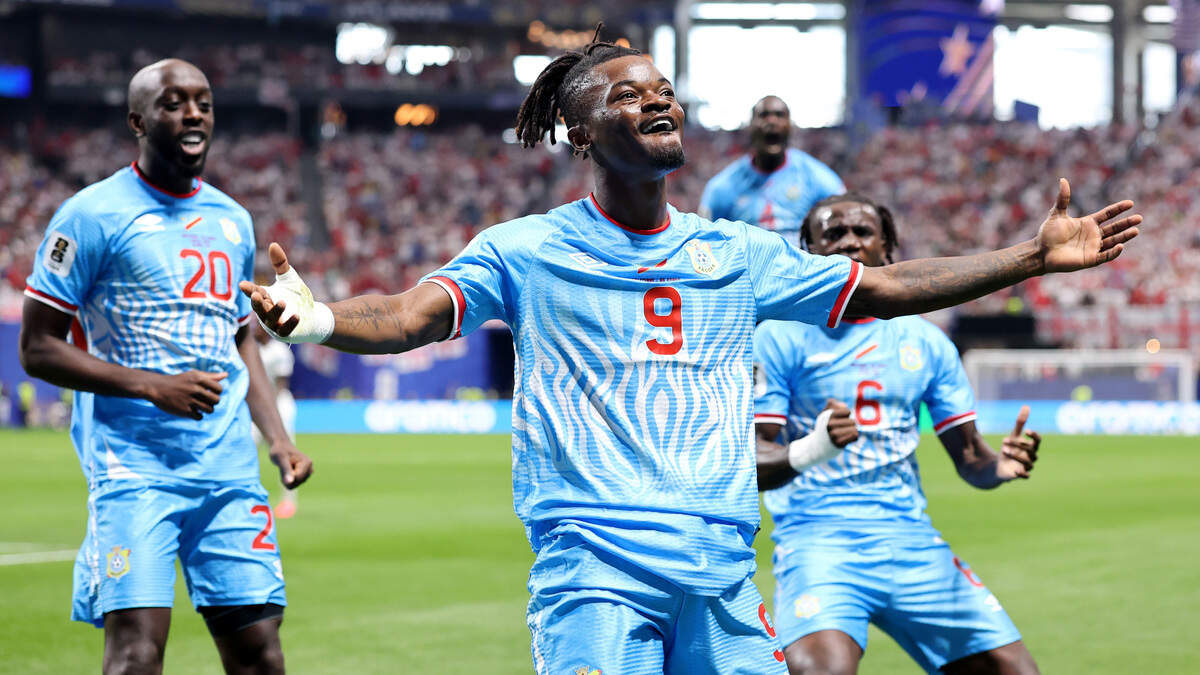
By this point in the World Cup, it should not come as a complete shock that DR Congo led England through 75 minutes of their Round-of-32 game on Wednesday before Harry Kane’s heroics secured a 2-1 victory to send the English to the last 16.
It did not seem as hard to believe that Senegal led Belgium 2-0 in their game Wednesday before losing 3-2 in a heartbreaker on a penalty kick.
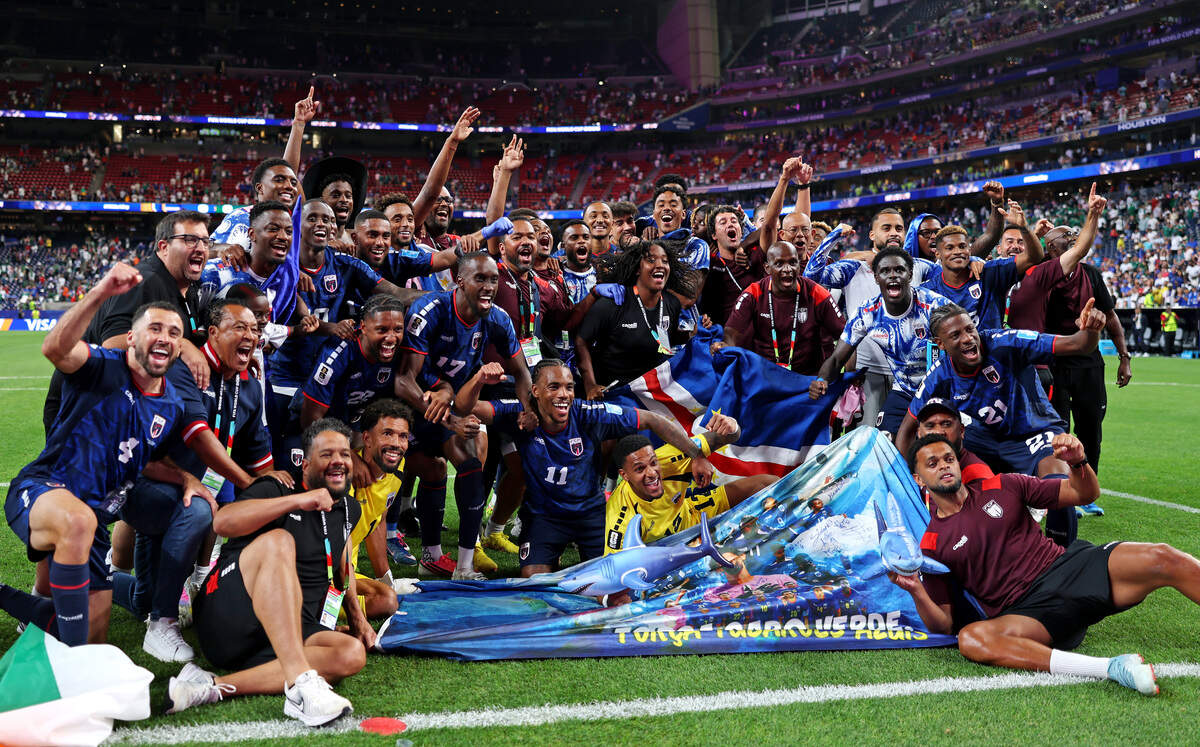
Nor does it seem outlandish that Cape Verde, the West African island nation, will face Lionel Messi and Argentina at Hard Rock Stadium on Friday after becoming the smallest country ever to advance to the World Cup knockout round.
Cape Verde, with a population of 525,000 and ranked No. 69 by FIFA entering the tournament, finished in second place in its group, ahead of two-time champion Uruguay and the much wealthier Saudi Arabia.
The success of African teams continues to be a major theme of this World Cup.
An unprecedented nine of the 10 African teams advanced to the second round. Four years ago, Morocco broke the continental ceiling by reaching the semifinals of the Qatar World Cup, the first African nation to get that far.
Before Morocco’s 2022 run, the best African World Cup results were quarterfinal appearances by Cameroon (1990), Senegal (2002), and Ghana (2010). In 2014, only two African nations advanced to the knockout phase. In 2018, none of the five African teams survived the group stage.
On Monday, Morocco proved it is still a legitimate contender, advancing to the Round of 16 after beating the Netherlands in a dramatic penalty shootout.
These are all major breakthroughs for a soccer-loving continent that had been underrepresented on the sport’s biggest stage and whose soccer success was often stymied by financial struggles and administrative corruption.
Of the 10 African teams that earned berths in the expanded 48-team field, only Tunisia failed to survive the group stage. Cape Verde, Egypt, Ivory Coast, Morocco and South Africa finished runners-up in their groups. Algeria, Congo, Ghana and Senegal advanced as placed finishers.
“This 48-team World Cup shows that football is for everyone, not just for the most developed countries,” Cape Verde native and coach Bubista said after his team advanced with three group ties, including a stunning 0-0 tie against European champion Spain in the opener.
“It’s also for the poor, and we’re very happy that less wealthy countries like us can take part. What happens on the pitch proves us right; I hope we’ll make our contribution, as a small country, for as long as possible.”
The expanded World Cup field from 32 teams to 48 doubled the African representation from five spots to nine (plus a 10th spot from an intercontinental playoff, which Congo earned after beating Jamaica in March). In the lead-up to previous World Cups, 54 African nations competed for five spots while 55 European teams vied for 13 spots.
This time, it was much more even, though the African teams were not rated as highly.
At the World Cup draw in December, none of the African teams were placed in Pot One based on their FIFA rankings. Critics of the expanded field said inviting so many newcomers would dilute the competition and expose teams that did not have the quality to compete at the highest level.
African teams are proving they belong on the field with the traditional powers and global stars.
Confederation of African Football president Patrice Motsepe congratulated all the teams on Sunday.
“The players and technical teams have made each of their countries proud and have also made the 1.6 billion people on the African continent and in the diaspora, proud,” he declared in a statement. “The global competitiveness and world-class quality of African football is being recognized and highlighted by the victories and qualification to the World Cup Round of 32, by each of the nine African national teams.
“The hard work and investments in youth football development, coaching, professional football leagues and football infrastructure in each of CAF’s 54 member associations and in the CAF competitions, is bearing fruit. The governance, transparency, management, financial and auditing best practices that have been introduced has attracted new sponsors and partners and these financial partnerships have contributed to the development and growth of African football.”
Congo entered this World Cup ranked No. 46 by FIFA and dropped jaws with a 1-1 tie against fourth-ranked Portugal, a tournament favorite, in their opening match.
“It’s a source of great pride that there are so many African teams qualified for the Round of 32,” Congo coach Sebastien Desabre, a Frenchman, said after his team rallied to beat Uzbekistan 3-1 to advance.
“For many years the African continent has been working hard and making progress. Sure, there is still room for improvement, and we must ensure we try and remain humble but we are happy to be part of this progression of African football.”
England had to scrape and claw against two African teams, first a scoreless draw against Ghana and then Wednesday’s scare against Congo.
South Africa managed to finish second in its group. Egypt, led by Mohamed Salah, advanced to the knockout phase for the first time.
Ivory Coast also reached the knockout stage for the first time, achieving something former Ivory Coast stars Didier Drogba and Yaya Toure never could in their three World Cup appearances between 2006 and 2014.
Morocco continues to impress, and its players are playing for big European clubs. Ismael Saibari, who has scored three World Cup goals, plays for PSV in the Dutch league. Brahim Diaz plays for Real Madrid, chose to represent Morocco rather than Spain, and won the Golden Boot at the 2025 African Cup of Nations.
It is becoming more common for African soccer federations to scour European clubs and academies for talented players with dual nationality and invite them to play for the countries of their family origin. That has been going on in other parts of the world, including the United States, for many years.
FOX analyst Thierry Henry, who won a World Cup with France, said of the recent African success:
“Obviously, more teams are getting into the competition, which allows them to have these opportunities. But not only are there more African teams, more African players are playing, guys that can pick from two nations. With the U.S., you have [Folarin] Balogun [born in New York to Nigerian parents, raised in England]. We have Michael Olise, who picked France [raised in England, British-Nigerian father, French-Algerian mother].
“I remember growing up in France there were a lot of guys from different countries and roots, but now a lot of the countries in Africa are recruiting those guys way earlier. The Ivory Coast coach was born in France but chose to play for Ivory Coast. It’s nice to see African teams doing so well.”
This story was originally published July 1, 2026 at 3:32 PM.