
FIFA panel reveals World Cup player rankings, tactical trends, rising goals
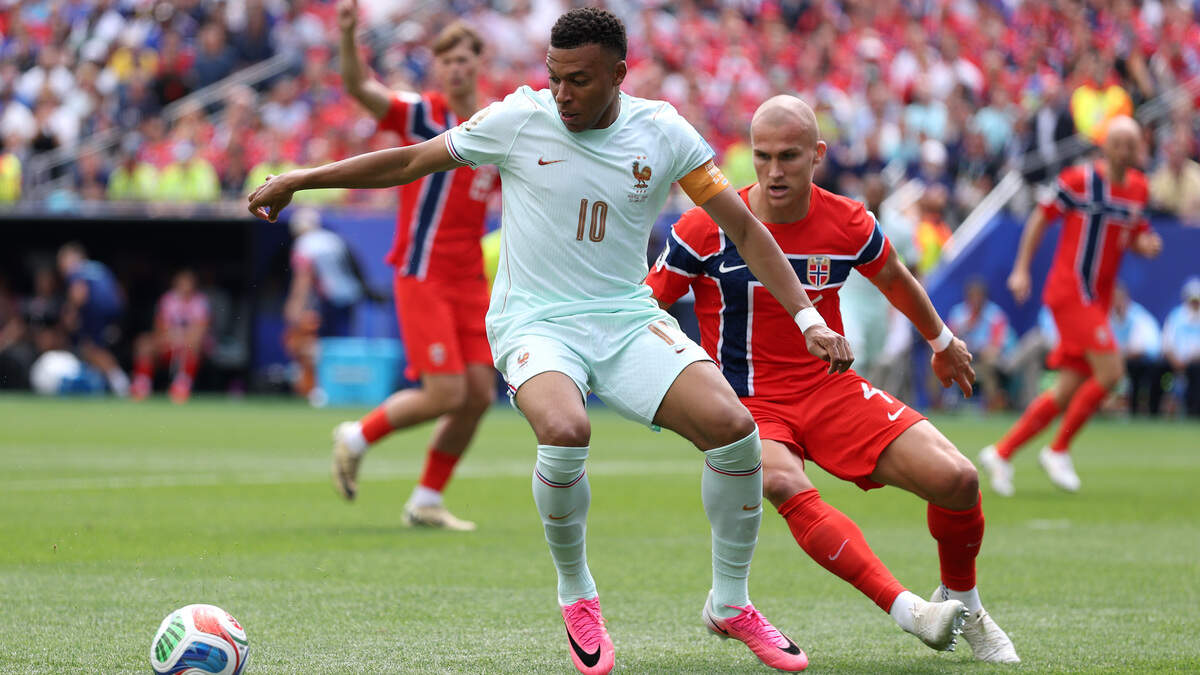
Most soccer fans enjoyed the 72 games of the World Cup group phase at stadiums, Fan Festivals, watch parties or in the comfort of their homes. They cheered. They groaned. They ate snacks. And then they analyzed the results with their family and friends.
Meanwhile, the 11 members of FIFA’s Technical Study Group were busy dissecting every play of every game, taking notes, poring over statistics, watching and rewatching plays and analyzing team performances and emerging trends.
The panel presented its findings on Monday at a press briefing at Hard Rock Stadium.
Members of the panel who spoke were Swiss goalkeeping legend Pascal Zuberbuhler, former Danish striker Jon Dahl Tomasson, Brazil World Cup winner Gilberto Silva, former Argentina and Manchester city right back Pabla Zabaleta and former Ghana coach Otto Addo.
Among the revelations was an increase in goals per game, 2.96, which was up from 2.5 in the 2022 World Cup. The top scoring teams all advanced to the knockout Round of 32. France, Germany, and Netherlands tied for the most goals in the group stage with 10. Argentina, the United States, Canada, Norway, Senegal, and Brazil were next with eight.
They also found that substitutes are having a bigger impact than in past World Cups with 43 of the 216 goals in the group stage.
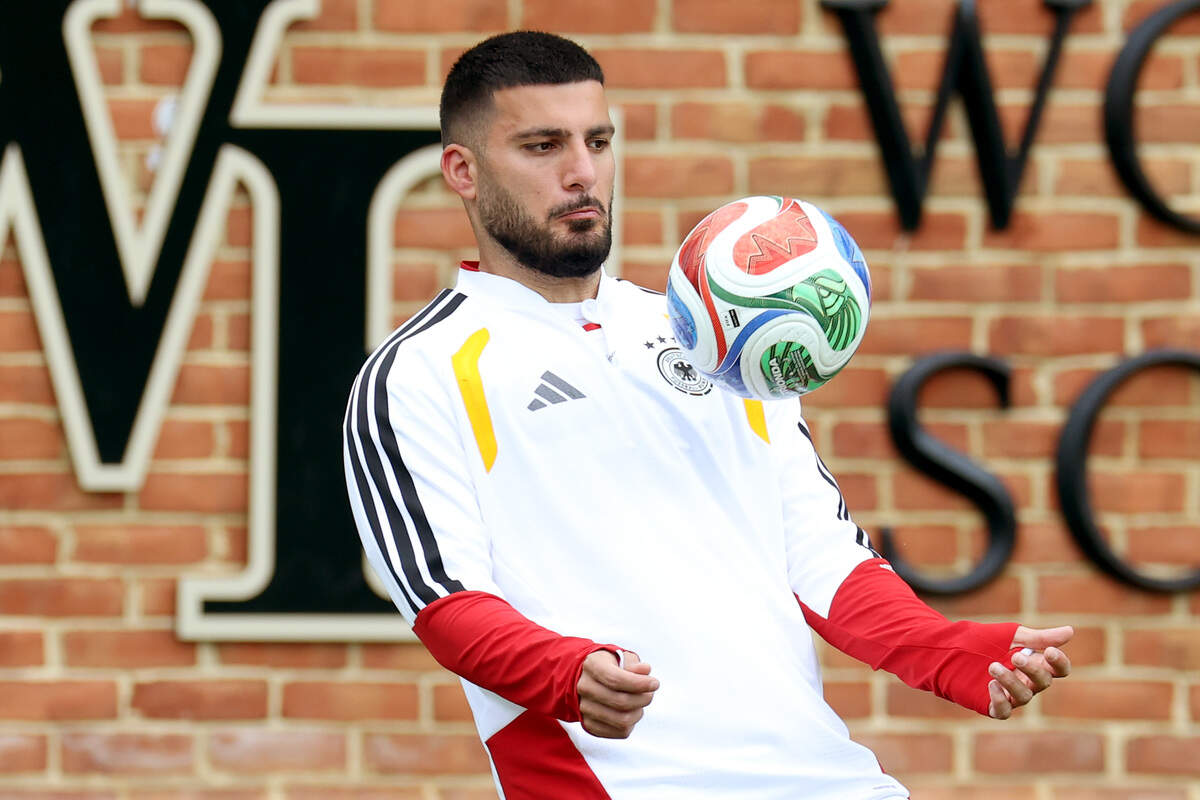
Senegal led the way with four goals from substitutes while Switzerland, Germany and Canada each had three goals off the bench. Germany’s Deniz Undav has been the most productive player off the bench with three goals and two assists heading into the knockout round.
One explanation for the increase in goals is the expansion of the field to 48 teams, which could lead to lopsided competition.
But the panelists suggested it had more to do with the quality of the shots and clinical finishing from players such as Argentina legend and Inter Miami captain Lionel Messi, who leads the Golden Boot race with six goals, and France’s Ousmane Dembele, whose team has scored 10 goals, which is double its expected goals (xG), a stat that measures the probability of a shot resulting in a goal.
“Football is about winning games and scoring goals; every time we see a goal, you see joy, you see disappointment, you see emotion and what we’ve seen so far is quality in finishing,” Dahl Tomasson said.
“What does it mean? The technical quality of the kick, the position, the decision-making, we’ve seen that so far, which has been quite incredible.”
Other topics the panel covered included which teams do the best job of counter pressing, goalkeepers straying from long kicks and getting more involved in the buildup from the back, the success of African teams and the effect of hydration breaks on the flow of the matches.
Counter-pressing has emerged as a trend, with the United States among the teams that used it most effectively, according to the technical analysis. Other teams that demonstrated counter-pressing styles included Ecuador, Germany and Canada. Those teams worked extra hard to regain possession quickly when they lost the ball.
Data revealed that winning teams regained the ball four seconds faster than losing teams.
Zabaleta analyzed Canada, USA and Spain games and commented on their counter-pressure.
“You can see that is part of the DNA, how they had that philosophy of playing with the short passes, and they create that structure that allowed them, when they lose the ball, to counter-press very quick. They react quickly instead of dropping back into a low block, you see how they counter-press quickly and regain the ball in the opposition half so they can counter-attack closer to the opposition box.”
Goalkeepers are getting more involved in the attack, the panel found. In 2018, goalkeepers took 100% of the goal kicks. In 2022, it dropped to 91% , and so far in 2026, it is down to 52%.
Zuberbuhler said: “The goalkeeper is a very important position on a successful football team; he’s a quarterback, and it’s impressive to see that half of the goal kicks he is making the first touch, and now the defenders play the ball to the goalkeeper. This is a set play that starts on a goal kick, and from there you create. We see that the goalkeepers are not playing anymore a long ball from a goal kick.”
For the first time in World Cup history, FIFA mandated mandatory three-minute hydration breaks in each half (around the 22-minute mark) of every match to protect players from extreme heat. Supporters of the rule say it promotes player welfare while critics say it causes momentum disruptions.
Addo and Zabaleta mentioned the importance of the players’ health and need to hydrate. As for how it affects the game, Zabaleta said:
“You can view that two different ways, from the team perspective, the team that’s dominating, that might be counterproductive, on the other hand, the team that may be suffering, that may be a way for the manager or the team itself to find a way to counteract that moment, so from the technical tactical point of view, you might find a positive viewpoint in this for the team that needs it.”
A record nine of 10 African teams in the tournament advanced to the knockout stage.
“With my African heritage, from coming from Ghana, I am happy that the teams were given the possibilities to play in this World Cup,” Addo said. “I know there was a lot of controversy about that, but I think the World Cup is for all of us, and we have a responsibility also to give something back, and I’m very happy that the African teams used this possibility to show what they can do.”
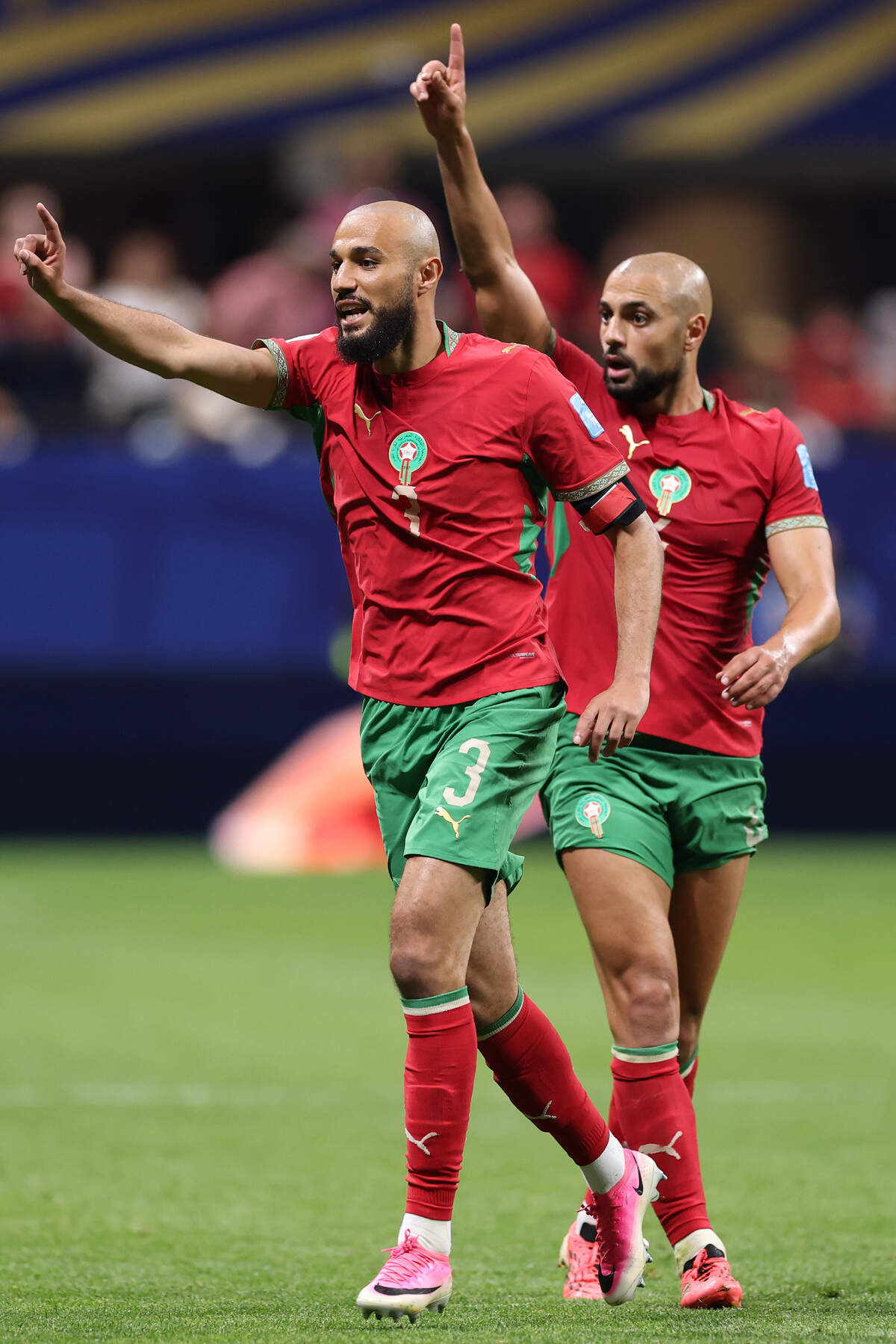
The committee also revealed the first ever FIFA World Cup player rankings, a data-driven method of evaluating the best performers in the tournament, considering impact per minutes played.
Field players are ranked across three categories: attacking, creativity, and defending. For goalkeepers, there are two categories: in possession and defending the goal.
The top 10-ranked attackers were (in order): Deniz Undav (Germany), Lionel Messi (Argentina), Kylian Mbappe (France), Vinicius Junior (Brazil), Johan Manzambi (Switzerland), Ousmane Dembele (France), Erling Haaland (Norway), Crysencio Summerville (Netherlands), Elijah Just (New Zealand), Ismael Saibari (Morocco).
The top 10 for creativity were: Michael Olise (France), Jeremy Doku (Belgium), Mohamed Salah (Egypt), Mbappe (France), Hannibal Mejbri (Tunisia), Florian Wirtz (Germany), Kerim Alajbegovic (Bosnia and Herzegovina), Bukayo Saka (England), Julio Enciso (Panama), Marcus Rashford (England).
On the defensive side, the top 10 were: Luc De Fougerolles (Canada), Rodri (Spain), Aymeric Laporte (Spain), Brandon Mechele (Belgium), Pico Lopes (Cape Verde), Elliot Anderson (England), Casemiro (Brazil), Ismail Yuksek (Turkey), Derek Cornelius (Canada), Tyler Adams (USA).
Among goalkeepers, South Africa’s Ronwen Williams topped the list in possession, followed by Vozinha (Cape Verde), Matej Kovar (Czech Republic), Nikola Vasilj (Bosnia and Herzegovina), Raul Rangel (Mexico), Angus Gunn (Scotland), Alireza Beiranvand (Iran), Orlando Gill (Paraguay), Max Crocombe (New Zealand), Jordan Pickford (England).
Gill leads the keepers in defending the goal, followed by Gregor Kobel (Switzerland), Beiranvand, Diogo Costa (Portugal), Benjamin Asare (Ghana), Mostafa Shoubir (Egypt), Eloy Room (Curacao), Pickford, Vozinha, and Mohammed Alowais (Saudi Arabia).
Other members of the FIFA Technical Study Group are: Northern Ireland manager Michael O’Neill, Costa Rican legend Paulo Wanchope, U.S. women’s national team legend Tobin Heath, former Borussia Dortmund and Netherlands midfielder Aron Winter, former Germany and USA coach Jurgen Klinsmann, and Jayne Ludlow of Wales.
This story was originally published June 29, 2026 at 4:43 PM.