Miami is getting an assist from Ray Lewis as it brings football players back to campus
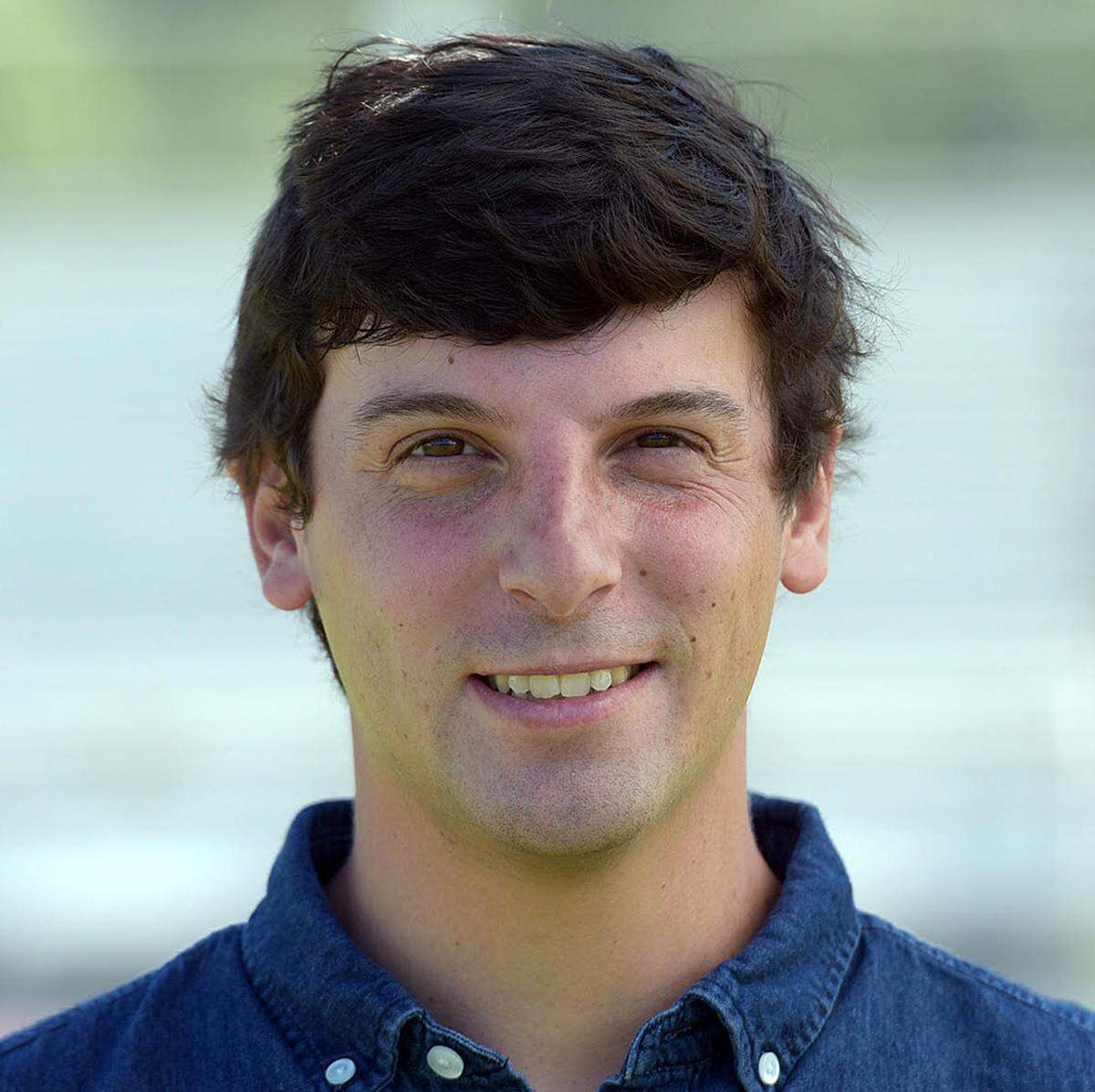
Athletic directors expect to face plenty of challenges when they sign on for their jobs. There are coaching negotiations to handle, potential compliance violations to monitor and frustrated donors to deal with. Dealing with a pandemic probably wasn’t on Blake James’ list of expectations when he took over as the Miami Hurricanes’ athletic director in 2012.
Last Monday, James and Miami dove headfirst into those challenges, welcoming 65 football players back to campus amid the COVID-19 pandemic to begin voluntary small-group workouts with supervision from athletic trainers and strength and conditioning coaches. Across the country, workouts have resumed and outbreaks have cropped up — notably, the Clemson Tigers and LSU Tigers currently both have dozens of players in isolation. While James declined to say whether any athletes have tested positive for the coronavirus, he does feel good about the Hurricanes’ current plan.
“We’re very blessed that we have a very good plan, and that we’ve been able to really stick to our plan and been able to keep our guys here working out,” James said. “With that said, we’re in Week 2 and we don’t know what the future’s going to look like. We’re going to continue to bring more and more kids back to campus. And as you bring more and more kids back to campus, obviously there’s the opportunity for them to go out and be in the community. And that’s why we just have to really emphasize the importance of social distancing, wearing masks, washing their hands or using hand sanitizer.
“I don’t think you can say you’re not going to have things happen. I think it’s you try to create a system that has as little impact as possible, and that’s my hope that we do that.”
Ray Lewis is providing another assist to Miami’s efforts. On Monday, he stopped by Coral Gables to make a donation of personal protective equipment to the athletic department. Teaming up with Toast Distillers, Lewis donated 386 gallons of hand sanitizer, 1,200 masks and 100 face shields to his alma mater.
For Lewis, the challenges schools are facing bringing athletes back to campus hits close to home. Rahsaan Lewis, the Pro Football Hall of Famer’s son, is a wide receiver for the FAU Owls and the two are trying to figure out when they feel comfortable with Lewis returning to Boca Raton.
“We don’t have the system yet, right?” Lewis said. “I think it’s everyday testing. I think we’re going to have to get very comfortable with that, always having a COVID-free environment. How do you dictate that? Everybody must be tested randomly and so when me and him was talking about it, I was like, ‘Baby ... you can’t beat that. You can’t defeat crowds.’ If one person has it, it spreads in five minutes, so I think it’s better to be safer. I think it’s better to understand the routes that we have to take to tackle these things and everybody just has to stay in their own lanes, so I told my son, I was like, ‘I think you should just stay out for a little bit.’”
For the Hurricanes, Lewis’ donation will help cover some of the new financial burden for the athletic department, which now has to provide hand-sanitizing stations throughout its facilities, and requires athletes and staff to wear masks whenever six feet of separation is not possible.
Colleges are quickly learning just how stark the challenges are with bringing athletes back to campus amid a pandemic. Clemson and LSU are just the two most extreme examples. Teams across the country are reporting caseloads of varying sizes and this is just for the first, smallest wave of athletes getting back into facilities. Later this summer, Miami will bring the other half of the football team back to campus, plus athletes in all other sports. Inevitably, the Hurricanes will deal with positive cases at some point, if they haven’t already.
“We don’t discuss individuals with tests,” James said, declining to answer whether there had been any positive tests yet.
On June 3, James said he still expected the season to start on time, albeit without any fans in attendance. This was before most teams started to formally welcome players back to campus, though, and before significant outbreaks started to pop up within teams.
James, like everyone around Miami’s athletic department, has been quick to note it’s impossible to predict anything with much certainty, but he remains optimistic even as the virus continues to spread. There’s a long way to go until the season starts, which can be good thing or bad depending on how everyone — the teams, the schools and even the surrounding communities — handle the pandemic.
“Last Friday we were 11 weeks away from the opening weekend and we were 13 weeks into this if you count March 13 as kind of the start, so we’re not at the halfway point — we’re beyond that — but I just think we’re still too early to say what it’s going to look like,” James said. “The optimist in me says, ‘Yeah, we’re still going to have football.’ Do I think there’s a lot of things we have to do to get to that point? Without a doubt. We just talked about some of those and some of it falls on us here on campus, but some of it falls on everyone in the community, I think, to really continue to follow the guidelines that our leadership puts in place and hopefully people will continue to that.”
This story was originally published June 22, 2020 at 3:54 PM.