
Heart Rhythm Disorders Affect Millions — and Waiting to Treat Them Can Have Serious Consequences
If you’ve ever felt your heart suddenly “flip-flop,” race or pound so hard you can’t ignore it, you’re not alone — and it’s not something to shrug off as stress, caffeine, or “just getting older.”
Heart rhythm disorders are on the rise as cardiovascular disease remains the leading cause of death in America. Studies show that irregular heartbeat conditions like atrial fibrillation (AFib), atrial flutter, and supraventricular tachycardia (SVT), are far more than an inconvenience, they can significantly increase the risk of stroke, heart failure and even cognitive decline if left untreated.
Yet a recent report from the American Heart Association found most people with AFib (62%) had no prior knowledge of the condition before being diagnosed.
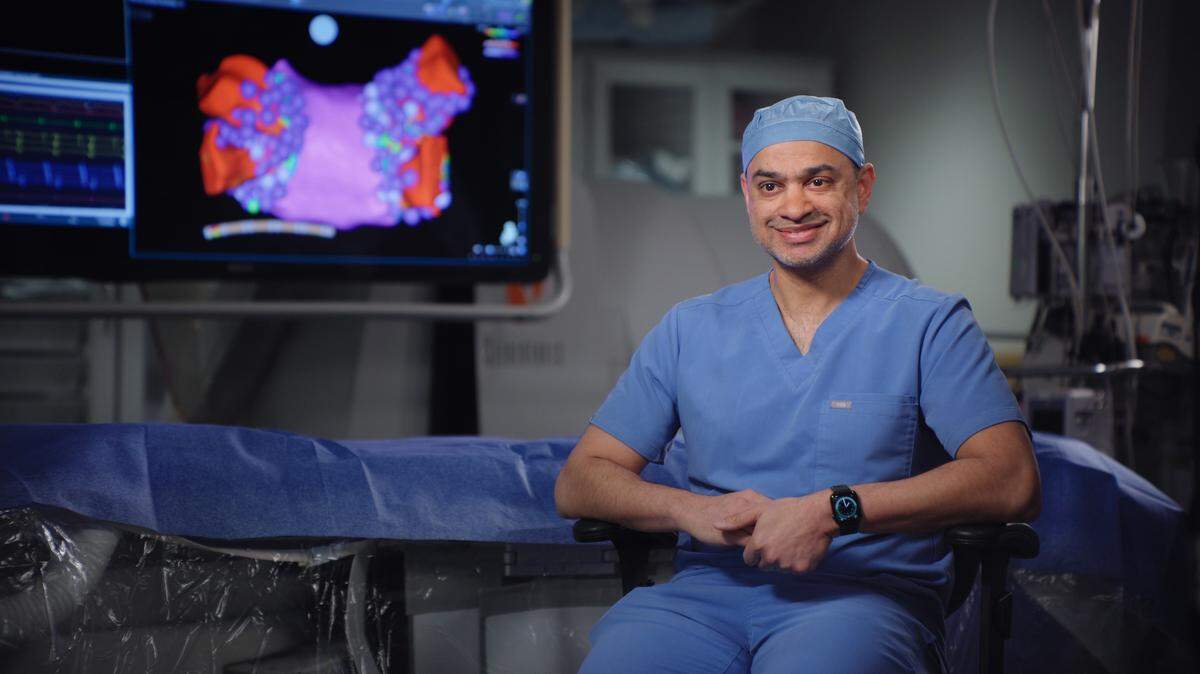
“AFib is a progressive condition,” says Dr. Arfaat Khan, a cardiologist specializing in cardiac electrophysiology, based in Detroit, Michigan. “The longer you wait, the less chance of success that you’ll have in managing and treating atrial fibrillation. Therefore, the earlier you intervene, the better chance of success, the better chance the patient’s going to feel better and have better outcomes.”
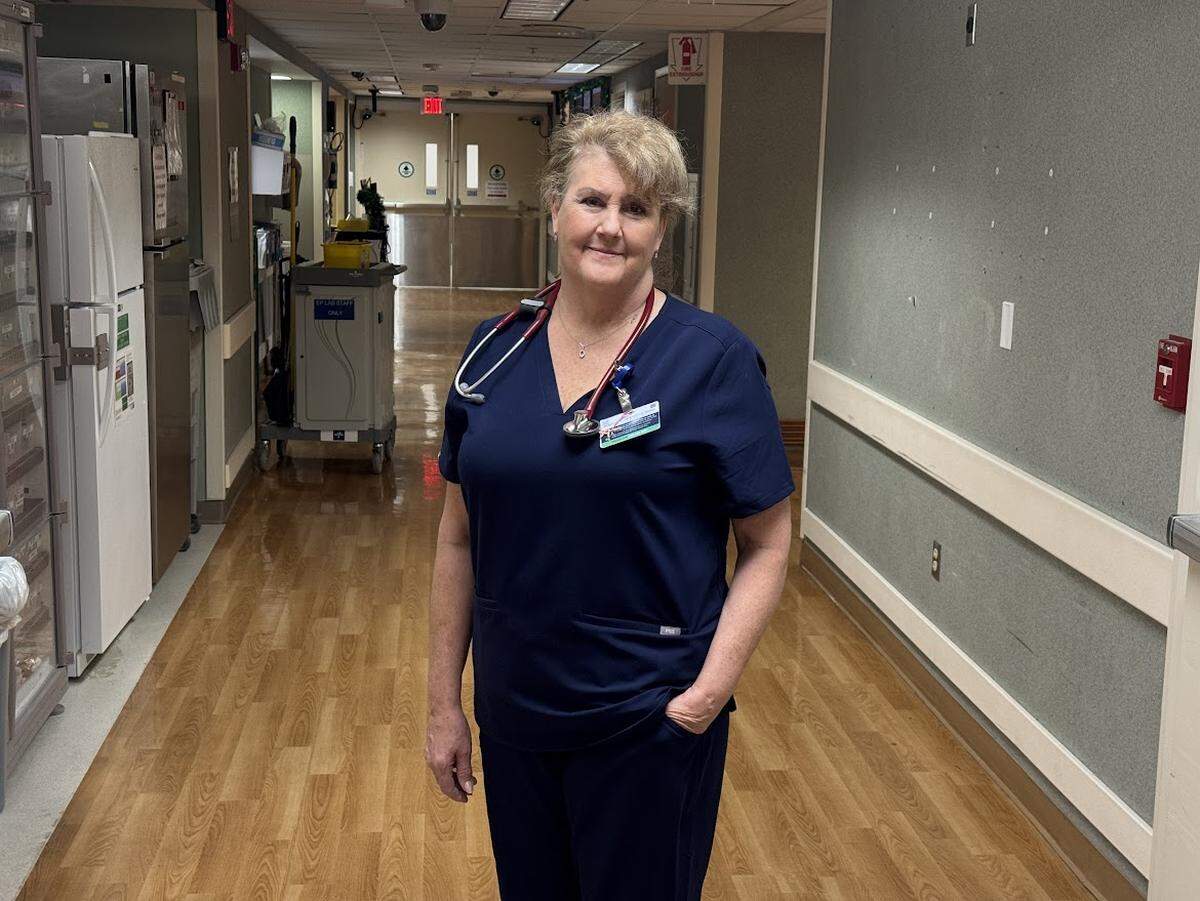
For Kimberly “Kym” Wegner, a retired cardiac ICU nurse, AFib didn’t feel abstract, it felt like something that hijacked her day-to-day life. “When you have AFib, it’s not something that goes away,” she says. “It’s something you have now, and it’s like this beast that lives inside you and it can just roar up and all of a sudden your heart rate is pounding, you’re feeling short of breath, you’re having some chest discomfort.”
Wegner was diagnosed a decade ago and managed her symptoms with medication — until, she says, her world steadily shrank. “My quality of life suffered greatly because I couldn’t tolerate much activity. … I stopped swimming, I stopped hiking,” she says, describing how even playing with her grandchildren became difficult. “It was horrible to live through this. … The thought that this is going to be my life was very disturbing to me.”
That’s the part many people don’t realize about AFib: the condition can be more than an inconvenient rhythm issue. Wegner says she understood the stakes from years in critical care.
“As a cardiac ICU nurse, I had worked with many patients with AFib,” she says. “I was rattled by it and disconcerted, but you also have to face it head on when you have this.”
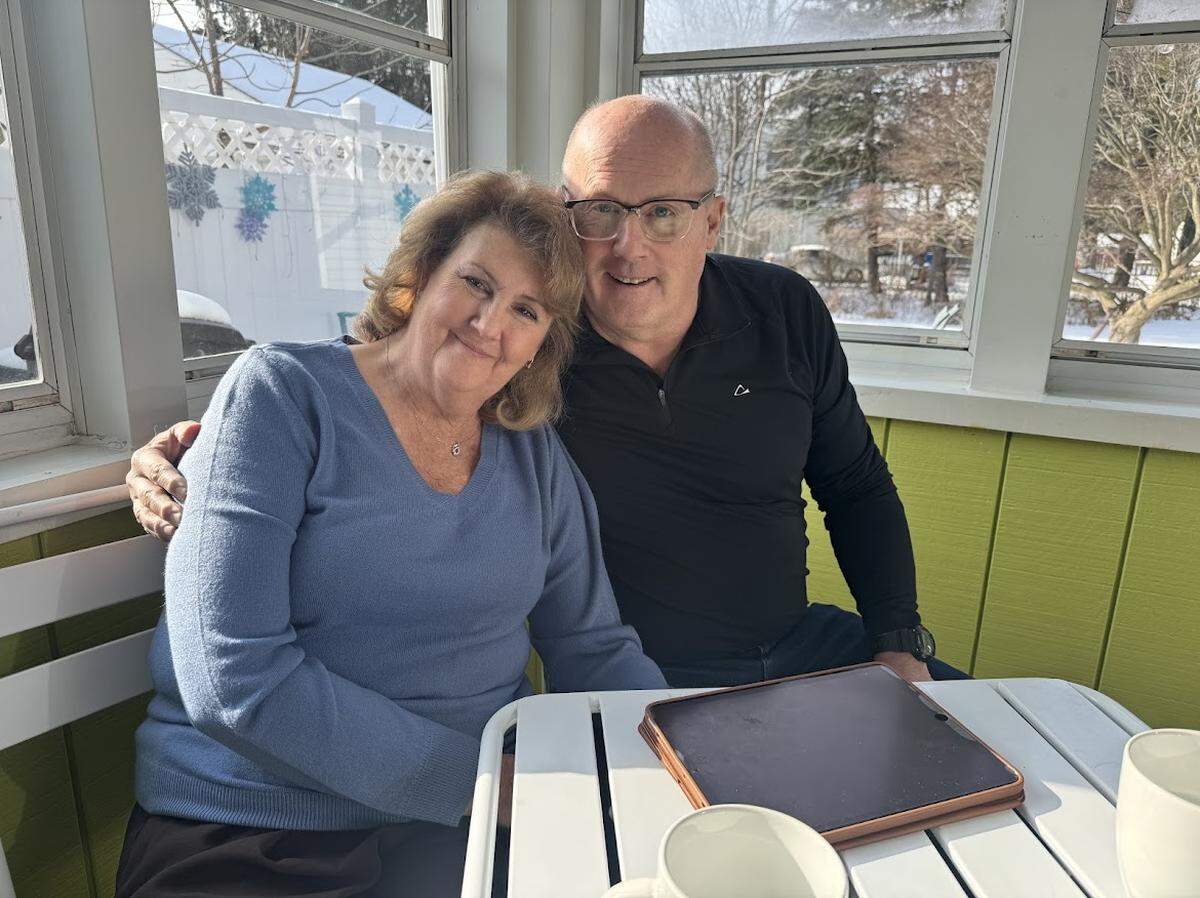
Wegner’s husband encouraged her to see an electrophysiologist — a cardiology specialist focused on heart rhythm. Wegner met with Dr. Khan and learned she was a candidate for catheter ablation, a minimally invasive procedure designed to target the source of AFib.
Although treatment options have advanced, fewer than 5% of AFib patients undergo catheter ablation, even though research suggests it can be more effective than medication alone at preventing recurrence when used early.
“It [the procedure] is not like open heart surgery where you have to crack the chest open,” Dr. Khan says. “It is done through catheters … placed in through the leg … takes about an hour to do. … And most patients are able to go home that same day.”
Ablation has been around for years, but technology continues to evolve, including tools within the Johnson & Johnson MedTech portfolio that doctors use to map the heart and deliver treatment with more precision. One of the best-known systems is the CARTO™ 3 System, which creates a 3D map of the heart’s electrical activity to help physicians pinpoint where misfiring signals are coming from.
“Using the CARTO™ 3D Mapping System, we’re able to create a 3D geometry of the patient’s heart,” Dr. Khan says, explaining that mapping is key because “each patient’s heart is a little different.”
In Wegner’s case, Dr. Khan says he used pulsed field ablation (PFA), delivered with the VARIPULSE™ Catheter and guided by CARTO™ mapping. The technology uses electrical pulses to directly treat the heart tissue that causes the irregular heartbeat. It’s designed to focus on the targeted tissue while reducing effects on the surrounding healthy areas. “With this therapy … the difference compared to the older therapies … is that it delivers high voltage electrical signals, and these signals really target cells that are specific for causing atrial fibrillation,” Dr. Khan says.
Wegner’s experience with PFA, she says, was almost hard to believe after years of living around her symptoms. “I woke up from the procedure, I felt immediately better because my heart was synchronized again. I didn’t feel that pounding in my chest anymore,” she says. “Since ablation, my quality of life has changed so much. I can run and play with my grandchildren again, do the fun things. … I feel like a new person, like I got my life back.”
Her message to anyone white-knuckling through symptoms is simple: Don’t wait. “As a nurse and an AFib patient myself … don’t be afraid to seek help,“ she says. “AFib won’t go away on its own, but the complications are catastrophic to you. So please seek help as soon as you can. You are worth every minute.”
To learn more about heart rhythm disorders, risks, and treatment options — you can visit GetSmartAboutAFib.com. Speak with your doctor about what care is best for you.
This story was originally published March 13, 2026 at 8:12 AM.
