In the wake of past catastrophes, Hurricane Andrew and ValuJet lessons have endured
It takes an awakening, in some cases a tragedy, to bring about change.
When a catastrophe such as the Surfside condominium collapse occurs, we form task forces to investigate the cause, and we rewrite rules. And we pray that these changes are enough to prevent such a tragedy from happening again.
South Florida’s memory of calamitous events is shaped by the indelible images they’ve left in our minds, but also by the reforms that followed.
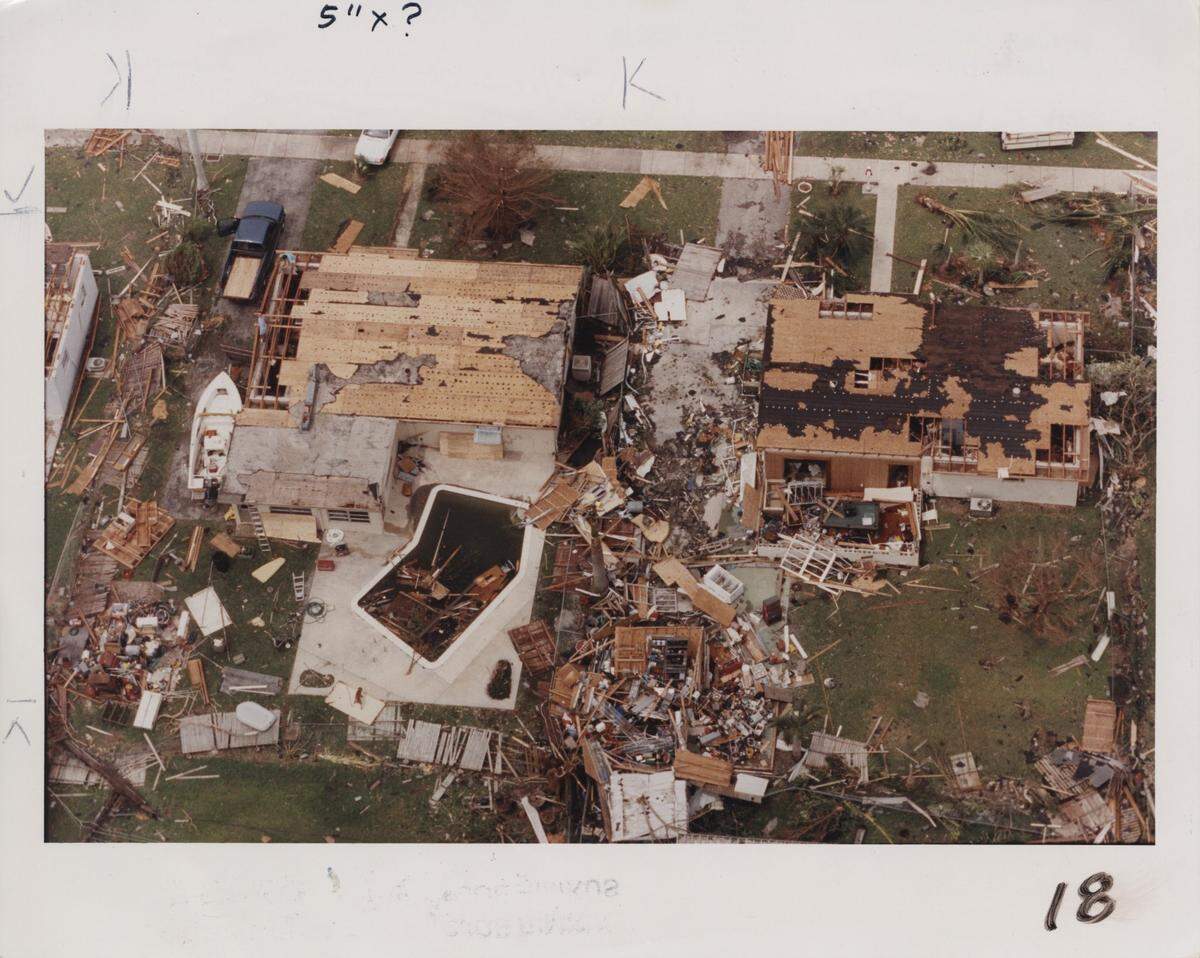
After Hurricane Andrew made landfall in South Miami-Dade just before 5 a.m. on Aug. 24, 1992 — its cataclysmic winds laying waste to thousands of homes and causing 44 deaths in Florida alone — we revamped the building code, set higher standards for construction techniques and materials and replaced the local oversight board.
When ValuJet Flight 592 plunged into the Everglades shortly after takeoff from Miami International Airport at 2:13 p.m. on May 11, 1996, killing all 110 people on board, we changed the rules for all commercial aircraft by banning hazardous cargo, mandating new safety systems for jetliners and increasing inspections.
The partial collapse of Champlain Towers South in Surfside at about 1:25 a.m. on June 24, the deadliest building failure in Florida history that led to the deaths of 98 people, may lead to significant reforms.
That’s what happened after Hurricane Andrew and the ValuJet crash.
Miami-Dade, Broward and Palm Beach counties scrutinized their building codes after Andrew. None had more problems than Miami-Dade’s code, as two county grand jury reports made clear.
Though South Florida’s building code had been written with hurricanes in mind, the grand juries found that the county’s oversight board had weakened the code, served the interests of the construction industry and contributed to Andrew’s destruction.
The grand juries recommended a reduced oversight role for the board and that a new committee of experts — made up of engineers, architects, a meteorologist — review the building code for fixes.
Seven months after Andrew and its 165 mph winds had killed dozens and racked up $25 billion in damage, the Miami-Dade commission adopted a stronger building code as recommended by the new committee.
The changes went beyond impact windows and shutters. They enacted tougher construction rules for roofing and walls, new quality standards for products, more inspections and storm-proof designs. Many of the changes in Miami-Dade’s code were also adopted in Broward.
In the decade that followed Andrew, as the building industry argued for less regulation due to the added expense, Miami-Dade and Broward fought to keep stricter standards than the rest of the state. They have succeeded, so far.
Today, the Florida Building Code designates Miami-Dade and Broward counties as so-called High Velocity Hurricane Zones that require stricter building codes than the other 65 counties in the state.
Similarly, the lessons learned from ValuJet Flight 592 can be found in Federal Aviation Administration regulations that still exist today, including a requirement that airplane cargo compartments be equipped with fire detection and suppression systems.
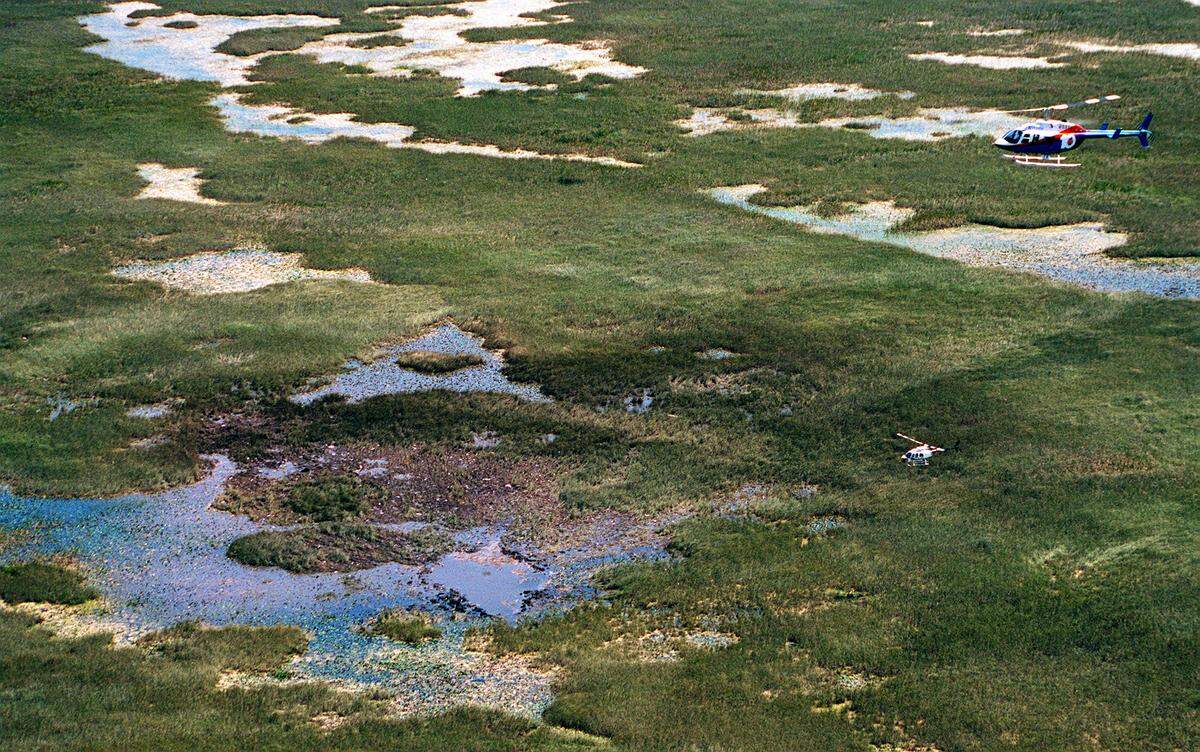
The airplane, a McDonnell Douglas DC-9, crashed while trying to return to Miami after pilots lost control of the aircraft due to a fire in the forward cargo compartment. The National Transportation Safety Board determined that the fire was started by the accidental activation of chemical oxygen generators improperly carried as cargo.
As a result of the NTSB investigation, the FAA mandated smoke detection and suppression systems in cargo holds for all U.S. commercial aircraft. All aircraft also must have the ability to shut down airflow to the cargo areas. Oxygen canisters were banned as cargo on passenger jets almost immediately after the crash.
ValuJet was grounded by the government for three months after the crash and resumed commercial flights later in 1996 under FAA oversight. The airline never fully recovered until one year after the crash, when ValuJet bought the airline AirTran and adopted its name. In 2010, Southwest Airlines acquired AirTran.
Hurricane Andrew and ValuJet Flight 592 will forever be painful memories for South Florida, but the events and the lessons they held also reshaped the future of home building and commercial flight.
This story was originally published July 25, 2021 at 6:00 AM.