The Kendall Parkway is dead — was South Dade bus rapid transit the right move? | Opinion
In 2018, while serving as a Coral Gables Commissioner and member of the Miami-Dade Country Transportation Planning Organization, I opposed two major projects — the Kendall Parkway and the South Dade Bus Rapid Transit — for the same reason: they were shortsighted.
Last month, the Greater Miami Expressway Agency (GMX) voted to abandon plans for the Kendall Parkway, a $3 billion, six-lane, 14-mile extension of State Road 836 across environmentally sensitive land. It was the right decision back then as it is today, but it is a decision that should have been made years ago.
Back then, I publicly opposed the extension and, with the support of the Coral Gables City Commission, sponsored a resolution urging Miami-Dade County to reject any expansion of SR-836 beyond the Urban Development Boundary (UDB). Taking that position came with criticism. I was personally targeted and even faced a frivolous ethics complaint simply for opposing the project.
A highway that would encourage urban sprawl, be built outside the UDB, destroy environmentally sensitive lands and impact one of our region’s most important sources of drinking water should never have advanced as far as it did. Fortunately, common sense finally prevailed.
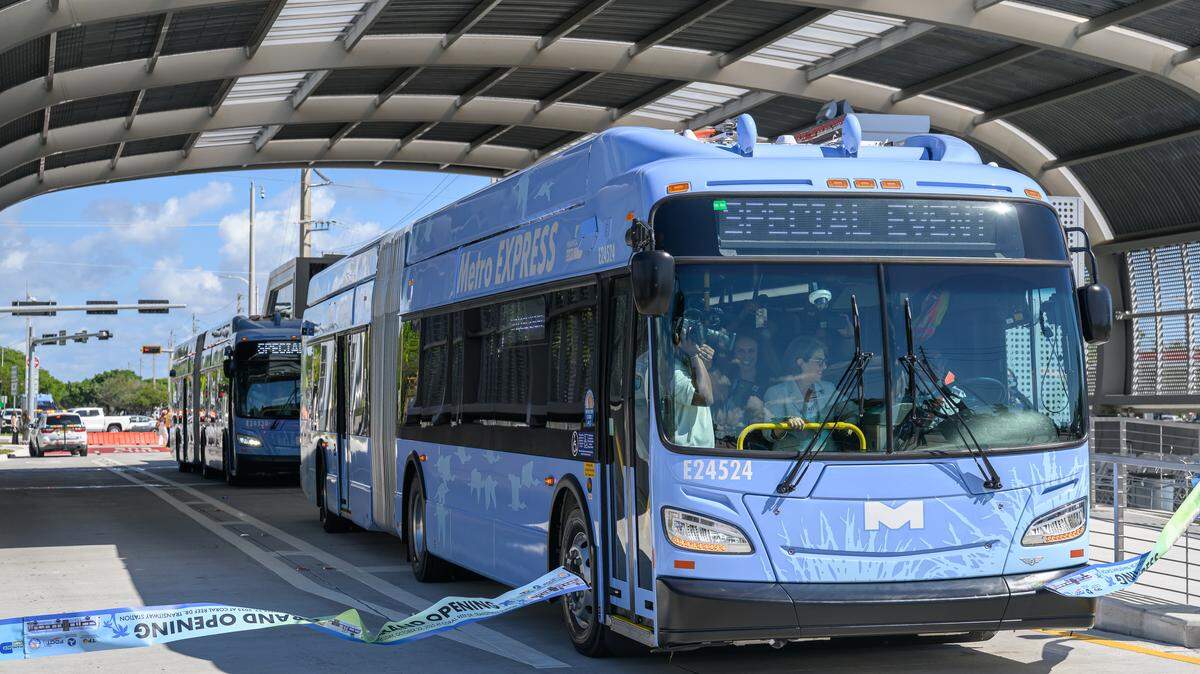
I took a similar position on another project that came in front of the TPO: the South Dade Bus Rapid Transit (BRT) project. With the BRT lanes now open, we should ask an important question: Was this the right choice?
The 20-mile BRT line connecting Dadeland South Metrorail Station to Florida City is not a substitute for the Metrorail extension voters were promised when they approved the half-cent transportation sales tax in 2002. Good transit is about ensuring that people can move quickly and efficiently through congested areas, ideally without adding to the congestion. Yet today’s riders traveling from Homestead to downtown Miami are not experiencing expediency or efficiency in this corridor and neither are the drivers who need to cross the intersections along the corridor. BRT was sold as the ideal alternative to Metrorail. However, we can see today that it is not how you build a transit system that attracts new riders.
Supporters argue the BRT can eventually be converted to rail if ridership justifies it. But that argument ignores a fundamental flaw: If the system is designed in a way that discourages riders from using it, the ridership needed to justify rail will never come.
There is also an equity issue that cannot be ignored. South Dade is home to large Hispanic and African American communities that have waited decades for the transportation improvements they were promised — and are paying for today. They deserve the same long-term infrastructure investment that other parts of Miami-Dade County have received.
The two votes I cast — and lost — almost a decade ago may seem unrelated, but they were guided by the same principle: Major infrastructure decisions should be driven by long-term planning, fiscal responsibility and the public interest, not political expediency.
One project was ultimately abandoned after years of wasted time and resources. The other is now serving as a reminder that settling for less than what our residents were promised can have lasting consequences. We must learn from both. As our community continues to grow, we owe future generations the courage to make thoughtful, forward-looking decisions that solve tomorrow’s challenges — not simply today’s political ones.
Vince Lago is mayor of Coral Gables.