
Young Cuban Americans’ political shift is real. It just hasn’t hit the ballot box yet | Opinion
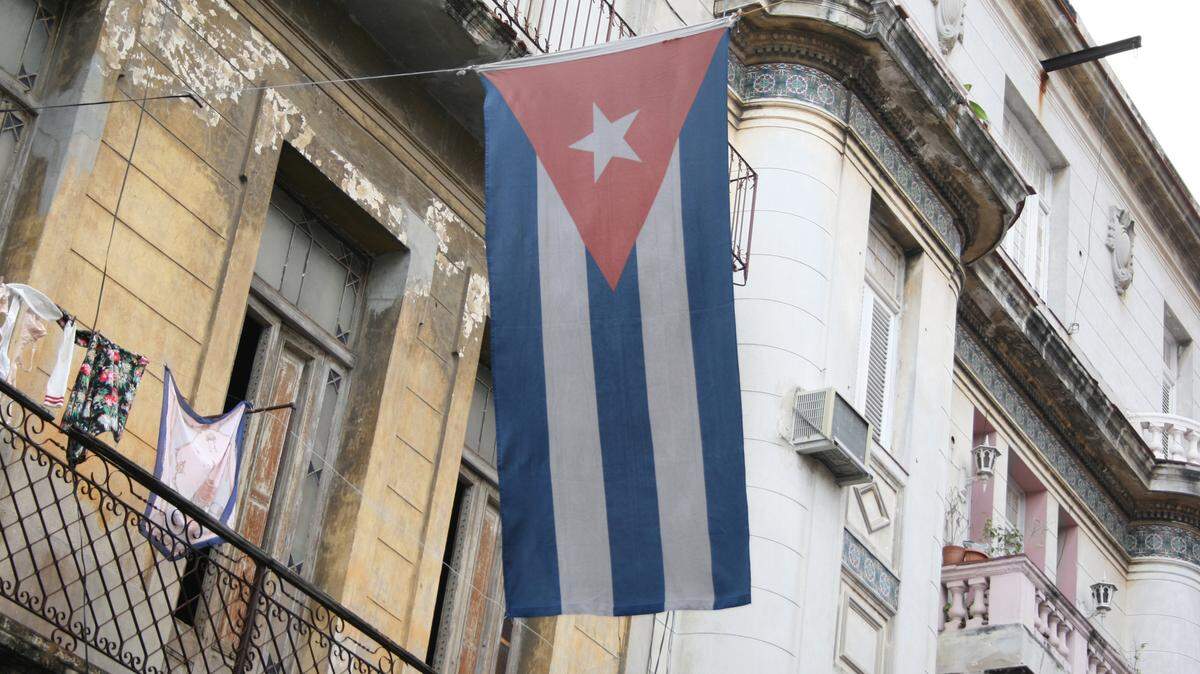
My grandfather never spoke of the raft. It was an old memory he was not fond of, maybe because it was traumatic or just because it was a reminder of a Cuba far from the one he knew later on.
He never told me how he and some friends scavenged enough materials to build a raft and escape the communist regime that had oppressed them. For many in Miami, these are classic trauma stories young Cubans born in the United States grow up with.
The stories don’t resonate with us in the same way, though. Young Cubans who never experienced Castro’s oppression have inherited only the memory and not the wound. Growing up, I was intrigued by these stories at Noche Buena gatherings because they seemed fantastic and far away. The separation between the exile mentality and the born-here identity runs deeper than nostalgia; it indicates an ideological shift.
For decades, the politics of Cuban Miami were built on a single question: Who is tougher on Castro? That alone secured the Cuban vote, overriding healthcare, housing, the economy. You could be wrong on every domestic issue and still win Little Havana if you said the right things about the regime.
For my grandparents’ generation, that was not ignorance. That was survival logic. When communism has taken everything from you, you vote to make sure it never follows you here.
Many Cuban Americans like me didn’t grow up fleeing anything. As time passes, we’ve become more Americanized and less Cuban in ideology. In school, the talk among young Cubans isn’t about Cuba policy but about college tuition, the job market, what this country will look like when it’s ours to run. The exile situation still matters, only now as part of a much larger set of concerns.
We think more like Americans because that’s who we’ve become. America is the only home we’ve ever known. Our diaspora has preserved its culture, something you can see driving down Calle Ocho, but our political ideology is something we’ve built for ourselves.
The catch: recent elections seem to prove this point blatantly wrong. In 2024, Miami-Dade went red in a presidential race for the first time since 1988, with Cuban American support for President Trump hitting a record high. If young Cubans are drifting away from traditional politics, why does a county so heavily populated with them keep voting the other way?
The answer is simple. The rightward surge is strongest among Cubans born on the island; those of us born on American soil are the exception. And the younger generation just doesn’t vote. The electorate that actually shows up is older and redder than the generation behind it. The shift is real, only it hasn’t reached the ballot box yet.
Politically, this means straight-ticket voting based on Cuba rhetoric is living on borrowed time. A candidate can still walk into Hialeah, say the right things about Castro or Maduro, and expect votes to follow, for now. But that strategy is aging out with the generation that wrote it. A new approach is required, yet neither party has figured this out.
For the first time, we have enough distance from the original wound to say this out loud without feeling like we are betraying our families. Even then, Cubans are still considered a monolith, but we are done accepting that. It is condescending to assume our votes are guaranteed the moment someone invokes the right names.
Young Cuban Americans are finally a voting bloc truly gettable by either party. We are changing while the parties that preach to us remain stagnant. The first to recognize that will have found something genuinely new in American politics: a community that spent decades voting from trauma and is now, slowly, beginning to vote from hope.
My grandfather never told me about the raft. But if he did, I believe he would have wanted me to understand why he did it — not to dictate how I vote, but to show me what was worth fighting for, worth risking his life for. This is something we haven’t forgotten. We’re just fighting for something different now.
Andres Plasencia is a 17-year-old rising senior from Belen Jesuit Preparatory School and a first-generation Cuban-American born in Miami.