
Miami-Dade’s Fisher Island eminent domain push threatens property rights | Opinion
The United States became the world’s largest economy because our system rewarded innovation, encouraged investment, protected property rights and empowered people to build. Preserving American dominance requires confidence in our institutions, confidence in the rule of law and confidence that the rules apply equally to everyone.
Our fundamental shared premise as Americans is that hard work matters, that ingenuity is rewarded and that property rights are fundamental to both economic mobility and personal freedom. Those principles are not abstract concepts. They are the foundation upon which our national prosperity was built.
That is why Miami-Dade County’s decision to pursue eminent domain against our Fisher Island property is so troubling — not simply because of its impact on one project, but because of what it says about the relationship between government, private enterprise and the rule of law.
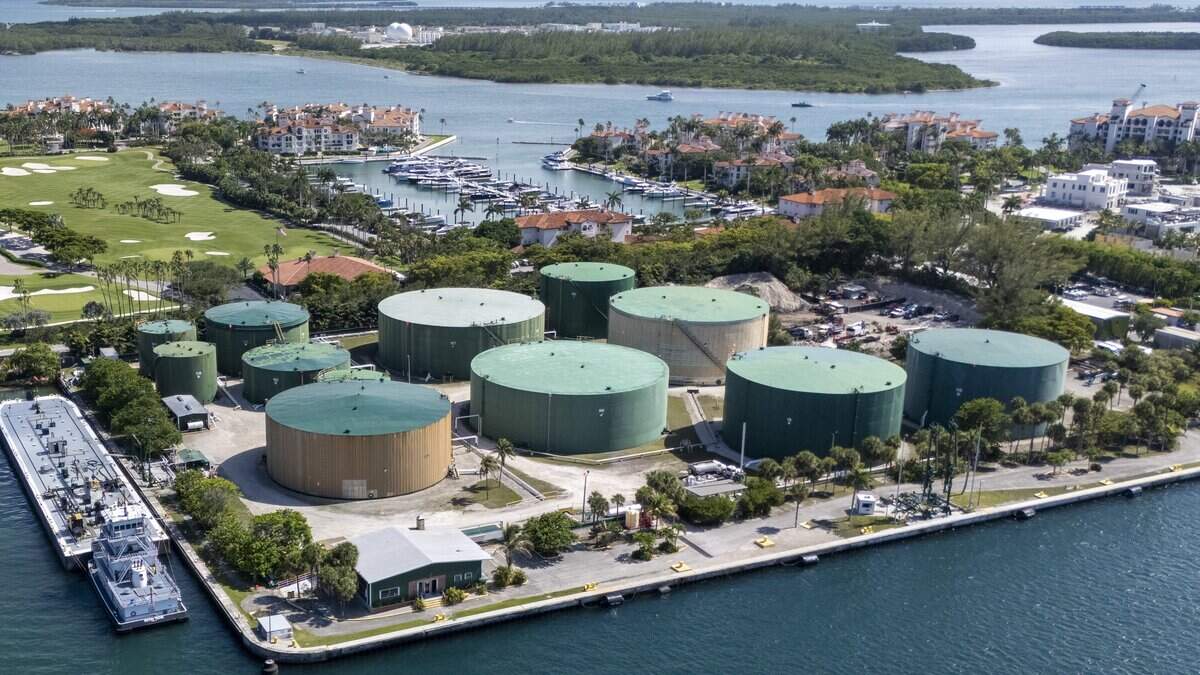
Let’s be clear about what happened. For decades, Miami-Dade County knew the 10-acre Fisher Island fuel terminal was owned by a private party who could stop selling fuel at any time. The county had many opportunities to buy it. They also had many decades to build their own fuel facility on their 520 acres at the Port of Miami or pursue other available options.
County officials were told the property would eventually be sold for redevelopment. They were approached directly before it was ever marketed publicly. Relocation options were proposed and rejected. Time and time again the county had the opportunity to acquire the property and declined.
Our company ultimately acquired the site through a lengthy, competitive and transparent public sale process and formed a world-class investment partnership to redevelop this generational asset. We did exactly what our country has encouraged private investors to do for 250 years: identify an opportunity, commit capital, overcome challenges and create value. That is not speculation. It is entrepreneurship.
HRP Group transforms obsolete industrial sites into productive assets that generate thousands of jobs, millions in tax revenue and become long-term economic catalysts. We redeveloped a 3,300-acre former steel mill in Baltimore into a leading intermodal logistics hub. We transformed more than 1,000 acres of former refinery land in Philadelphia into advanced manufacturing facilities. We turned a 250-acre shipyard in New Orleans into a global center of commerce. We have repurposed retired power plants and industrial facilities across the country. It’s in our DNA to see opportunity where others see complexity and challenge.
Our project at 1 Fisher Island Drive is no different. We have invested years of work and hundreds of millions of dollars of capital to unlock one of the most significant residential development opportunities on the East Coast, expected to generate billions of dollars in economic activity and create extraordinary value for Miami-Dade. This is our plan for this property; it has not changed.
Eminent domain is the harshest remedy in civil law, and for that reason it should be exercised sparingly and only after all reasonable alternatives have been exhausted, which has not occurred here. It should not be used as a sledgehammer for correcting planning failures. It should not become a mechanism for avoiding the consequences of decisions that public officials now regret. And it should never become a substitute for foresight.
I have spent enough time working alongside public officials to know that government is filled with dedicated people trying to solve difficult problems, including many in Miami-Dade. But good intentions do not eliminate the need for accountability. When government prioritizes political considerations and convenience over constitutional property rights, it should concern everyone, regardless of where they stand on this particular issue.
Government is often criticized for thinking too small and too short-term. This situation presents an opportunity to think differently — to develop a long-term infrastructure solution for the Port of Miami while unlocking one of the most valuable redevelopment opportunities in the country.
The answer to public-sector planning failures cannot be government seizure of private property that it had every opportunity to acquire through the free market. The answer is better planning. The answer is stronger leadership. The answer is confronting difficult challenges honestly and developing solutions that create value rather than destroy it.
Those principles are worth defending. Not just for one property on an island in Biscayne Bay, but for the kind of country we aspire to remain.
Roberto E. Perez is the CEO of HRP Group, a real estate investment firm specializing in complex redevelopment projects.