
Construction is a smart South Florida career path hiding in plain sight | Opinion
Graduation season is a moment of celebration across South Florida and a reminder that students begin weighing their futures long before they cross the stage. For seniors and younger students, those choices should include opportunities they may not yet see clearly.
The default answer for years was a four-year college degree. But that path can be uncertain and is not the only route to a meaningful career. In South Florida, one of the strongest opportunities is hiding in plain sight: construction.
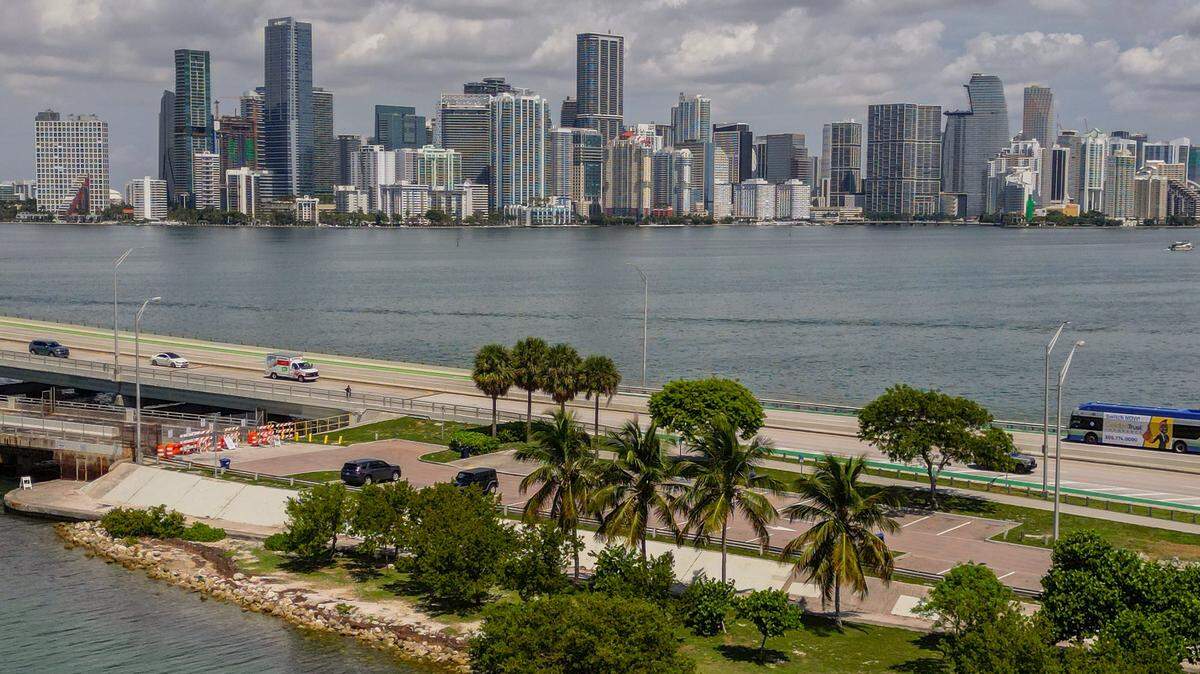
From Brickell to Edgewater to Wynwood, cranes have become a familiar part of the skyline, driven by demand for housing, infrastructure, healthcare, schools, hospitality, and mixed-use development.
Just as Miami’s skyline has evolved, so have the careers behind it. Today’s industry is highly coordinated, with specialized teams working in real time to deliver complex projects and bring a client’s vision to life. The best projects are built by teams that trust one another and stay focused on a shared goal. It is not just physical labor; it is collaboration, innovation and execution.
Construction involves much more than what happens on the jobsite. Projects begin months or years before shovels hit the ground. Virtual modeling helps teams identify potential issues. AI-enabled scheduling tools and data-driven approaches help coordinate trade partners around smarter, safer plans. Successful projects are built long before work begins in the field, when owners, architects, engineers, builders and trade partners align early and move forward as one team from concept through completion.
The industry is still proudly hands-on and always will be. But it also increasingly incorporates innovative technologies, opening up unique career opportunities at the intersection of craft, technology and operations.
This industry also offers a direct pathway into stable, high-growth work, often without the financial burden of a four-year degree. Apprenticeship programs can give young people structured advancement and long-term opportunity.
Importantly, these careers offer something increasingly rare: the ability to see the impact of your work in the real world. The buildings, hospitals, schools and public spaces rising throughout our region are the result of people bringing different skills together, solving problems in real time and building something that will serve communities for decades.
One of the most meaningful parts of this work is the people you build alongside. Relationships matter. Trust matters. Mentorship matters. After more than four decades in this business, I have found real purpose in helping young people grow. But the learning goes both ways. The next generation brings curiosity, openness and a natural comfort with technology. Drones, virtual modeling and new coordination tools are changing the way we build, and younger professionals are helping lead that shift. The exchange between experience and fresh perspective strengthens teams and shows young people that this industry offers room to learn, contribute and build careers.
Yet for many students, this reality remains largely invisible. The perception of construction has not kept pace with how much the industry has evolved. If Miami wants the next generation to help build its future, that needs to change. Students should have earlier, more meaningful exposure to what construction roles actually look like: not just cranes and hard hats, but AI tools, advanced planning, teamwork and the shared responsibility of delivering projects safely.
That exposure cannot fall on schools alone. Employers, educators, parents, mentors and civic leaders all have a role to play in making these pathways more visible and accessible. Students should see how classroom learning can lead to rewarding opportunities. That includes stronger alignment between education and industry, more hands-on exposure and opportunities for students to see jobsites up close.
Miami’s future will continue to be defined by its growth. But sustaining it will depend on whether the next generation understands who is building it, how roles have changed, and why construction is one of the most collaborative and consequential professions.
If Miami gets that right, it will not just build more. It will build smarter, safer and with teams ready to lead what comes next.
John Planz is Miami general manager at Suffolk Construction, a national construction firm with a major presence across South Florida.