
They call it school choice. For my daughter, there is no choice | Opinion
My daughter’s introduction to school was online, in the midst of the COVID-19 pandemic. She started pre-K meeting her teacher and classmates on a computer screen.
This was not fun for her or for me — but the alternative of sending her to school in the middle of a global pandemic was terrifying. Not just because we didn’t know what the virus would do to children’s bodies but because my elderly father-in-law lived with us, and we were deeply concerned for his health.
When Florida forced schools to reopen in 2021, my daughter struggled. There were none of the rituals that ease a child into school. The little girl who had watched her older brother get dropped off and couldn’t wait for her turn now started to hate it. She started misbehaving.
That August, she started kindergarten — at the height of Moms for Liberty protests against masking children, the demonization of teachers, and the beginning of Florida’s book bans. Her kindergarten teacher — a 28-year veteran — retired early, exhausted by the toxicity and a salary that was no longer livable. My daughter finished the year with a substitute because no replacement could be found.
First grade was harder. My daughter started coming home saying she had no friends, that nobody wanted to play with her. She has a fierce sense of right and wrong and tends to insert herself when she sees someone being wronged — an extraordinary trait, but not easy to manage as an impulsive 6-year-old. Her teacher couldn’t turn her back on her.
The teacher and administration requested that she be evaluated. I agreed and also arranged an independent evaluation, just to be sure. Both came back with the same findings: She is on the autism spectrum and has ADHD with impulsivity. If you talk to her, you cannot tell. She’s bright, she’s social, she reached every milestone — but she is easily overstimulated and emotionally intense. I had never considered she might be on the spectrum, but here we were.
What I know now is had she been in a charter or a private school, she would likely have simply been asked to leave. Her behavior would have been grounds for dismissal, not investigation. It was her public school — with its legal obligation to every child — that stopped and asked why. That question changed her life.
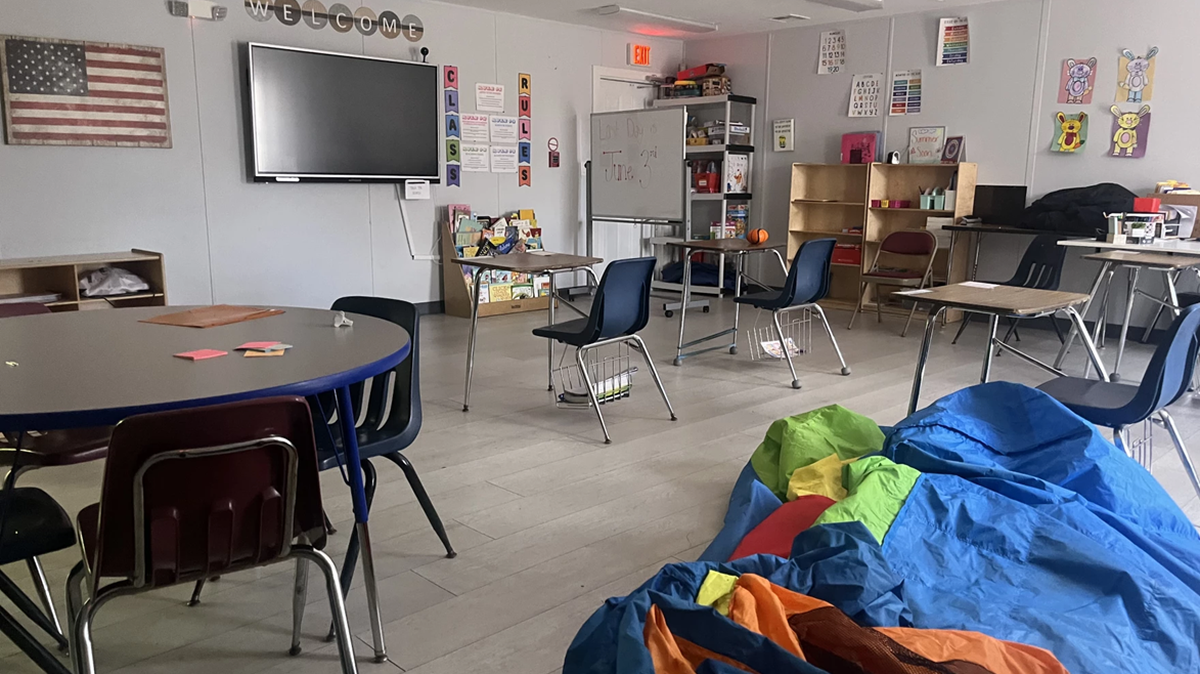
The administration recommended she be placed in a modified classroom — a smaller class that would still follow the same curriculum. I was hesitant, but I visited, I researched and I agreed to try it.
She started excelling. She was my happy girl again. She even found a best friend. Education, to me, is not just about academics. It’s about the whole child. The CDC, the American Psychological Association, and peer-reviewed neuroscience all agree: chronic stress impairs a child’s ability to concentrate, retain information and regulate their behavior. Schools must ensure every child has what they need to thrive. That is why public schools are, and must remain, a pillar of our community.
I’ve come to understand the Individualized Education Plan (IEP) process — the legally binding document that guarantees my daughter specific accommodations, at no cost to me, backed by federal law. That guarantee exists only in the public system. Florida’s voucher programs do not require private schools to honor an IEP. The moment I take that voucher, I stop being a parent with legal rights and become a customer hoping for the best.
Every dollar redirected to vouchers and charter expansion is a dollar pulled from the schools legally, structurally and morally required to serve every child — including mine.
We are not just defunding buildings. We are defunding the only system obligated to see my daughter, all of her, and meet her where she is.
Public school didn’t just educate my daughter. It became her village — the teachers, the specialists, the classmates, the structure — all of it working together with me in a way no private option is ever required to. And that village is worth every fight and every penny.
Lissette Fernandez lives in Miami with her two children. She is the co-founder of Moms for Libros and an advocate for public education.