
I’m a parent through surrogacy. Florida must protect families like mine | Opinion
Florida’s long-established surrogacy laws are currently facing legal and legislative scrutiny, raising questions about their future and potential implications for families who rely on them. Florida’s surrogacy laws remain a stable and well-crafted framework that provides important protections, but they are now being challenged in ways that could fundamentally alter how families are formed in our state.
In a recent Broward County case, a trial judge permitted Florida’s attorney general to intervene in what would typically be a private surrogacy proceeding. The attorney general has argued that surrogacy may conflict with the 13th Amendment’s prohibition on slavery. This theory relies on granting embryos full legal personhood and claims they cannot be the subject of contractual arrangements. If adopted broadly, this interpretation could have implications not only for surrogacy but also for other forms of assisted reproductive technology.
At the same time, the Florida Legislature enacted new restrictions through the Foreign Interference Restriction and Enforcement (FIRE) Act, barring individuals from designated “foreign countries of concern” from participating in surrogacy arrangements. The provision was added late in the legislative process and did not include extensive public discussion or expert testimony specific to surrogacy.
Collectively, these legal and legislative actions may influence where and how intended parents pursue surrogacy. These measures will not stop surrogacy in Florida; they will push intended parents working with Florida surrogates to other states that have jurisdiction, weakening Florida’s well-established legal system without improving safety.
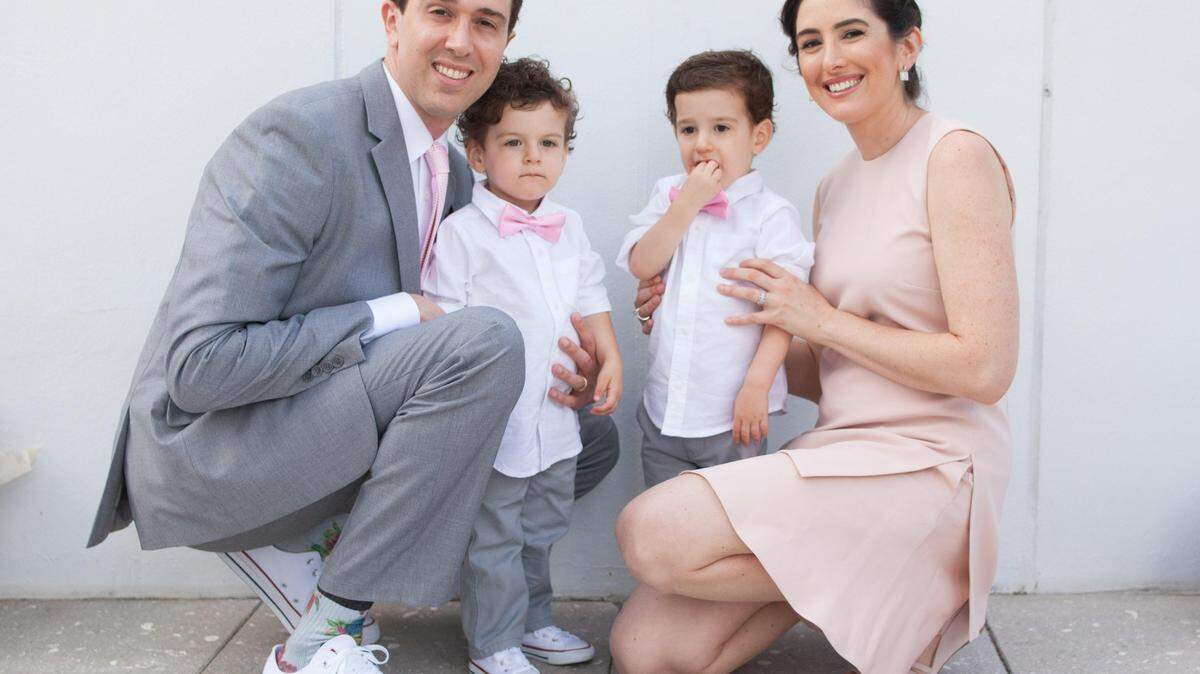
For me, this issue is deeply personal. I am a parent through surrogacy. It was not a choice made lightly or out of convenience. It was a path I turned to after facing the painful reality that I could not carry a pregnancy myself. Surrogacy offered hope where there had been none. It was a carefully considered, emotional journey built on trust, compassion and medical necessity.
My experience is not unique. Every year, individuals and couples considering surrogacy in Florida face the heartbreak of infertility, pregnancy loss or medical conditions that make pregnancy impossible or dangerous. For many, surrogacy is the only viable path to having a child. It is not a shortcut. It is often the final option after years of disappointment, medical treatments and emotional strain.
As a surrogacy attorney, I also see these challenges firsthand. I work with intended parents who have endured repeated losses, failed IVF cycles and difficult diagnoses. By the time they pursue surrogacy, they have already experienced profound hardship. What they seek is not convenience, but the opportunity to build a family despite those obstacles.
Surrogacy in Florida is not unregulated. It is a structured, legally guided process with safeguards that have been in place for 30 years designed to protect everyone involved — the surrogate, the intended parents and the child. These agreements are entered into voluntarily, with full informed consent and legal oversight.
The attorney general has characterized surrogacy as comparable to slavery in his pleadings. Historically, slavery involved coercion, dehumanization and the denial of personal autonomy and legal rights. In contrast, surrogacy operates within a regulated legal framework and is structured as a voluntary arrangement among consenting adults.
Policy discussions surrounding surrogacy raised by the AG and Florida Legislature focus on rare or extreme scenarios. If specific problems exist, they may be better addressed through targeted regulation or enforcement rather than broad restrictions that affect families who are following established legal processes.
At its core, this issue is about the right to build a family. Surrogacy allows people who cannot conceive or carry a pregnancy to experience parenthood. It represents resilience, hope and possibility in the face of deeply personal challenges.
Florida has long been a leader in providing a clear and ethical legal framework for surrogacy. That framework should be strengthened, not dismantled.
Families like mine have relied on that framework, and its future will shape how others are able to do the same.
Marla Neufeld is a partner at Greenspoon Marder in Fort Lauderdale.