
The truth about organ donation from a South Florida mom who knows | Opinion
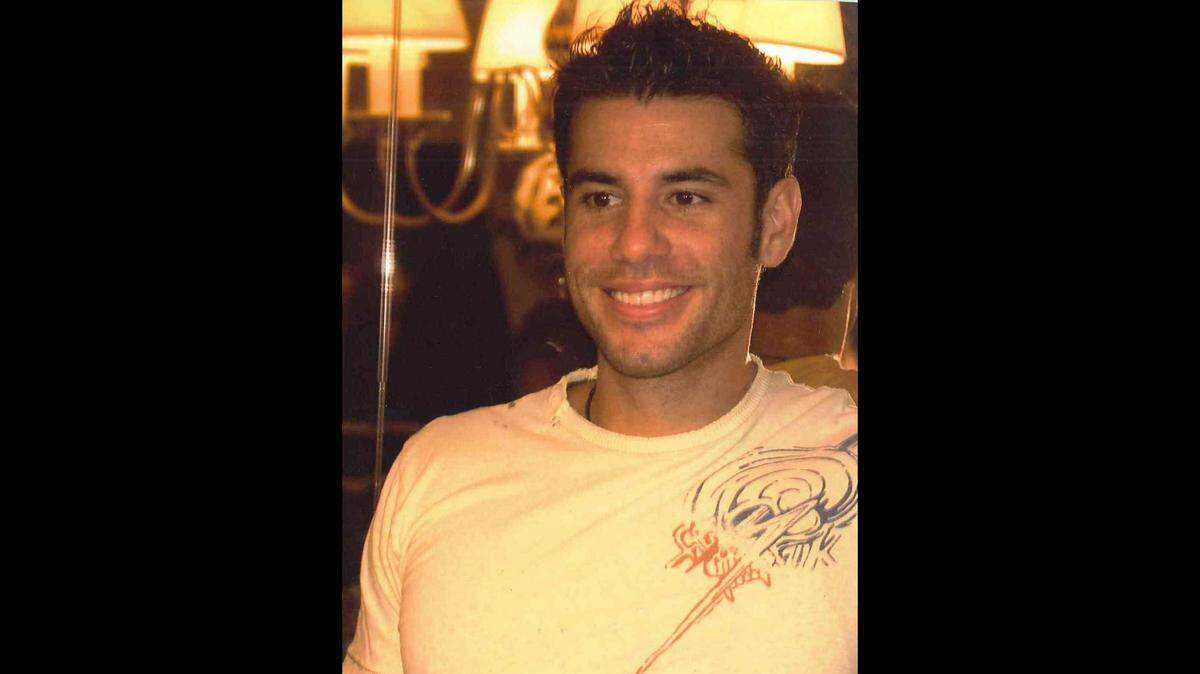
When I was filling out the paperwork after my son, Julio, passed away, one of the questions asked what countries he had visited. I had to flip the page over and call his friends because I couldn’t remember them all. We counted 25.
That was Julio — 30 years old, and he had already lived a full life. He was a high school athlete of the year, lifeguard, paramedic, firefighter and DJ who played house music in a group called Ontildawn.
I’ve worked for the Red Cross for nearly 40 years, so Julio grew up understanding that giving is how you take care of your community. When he became a pediatric ER nurse, he saw children come in waiting for transplants, and some who didn’t make it. He would come home heartbroken and say, “I sure hope they were able to donate his organs.”
In October 2010, four months after his daughter, Lucia, was born, Julio went to pick up friends who had been drinking and couldn’t drive home. They got food, then waited at the beach to sober up. At some point, Julio went for a swim. The surf was rough that night, and when he dove into the water in the dark, it was too shallow for him to notice, and he broke his neck.
The doctors worked hard to save him. They tried cold saline therapy, ran tests, waited. The neurologist told us the brain damage was too severe, and we knew Julio would not have wanted to live that way.
Here is what I want you to understand, because I was in that room. The doctors did everything they could to save my son before anyone talked to us about donation. That is how it works. Only when that is no longer possible does the conversation about organ donation begin.
On Dec. 13, 2010, Julio donated his kidneys, eyes and tissue at Broward General through Donation after Circulatory Death (DCD), a process following irreversible circulatory and respiratory damage. I was allowed to be with him until he passed.
Unbeknownst to us, Julio was the first DCD donor at the hospital. Today, most organ donations follow this process.
More than 100 people were helped by his gifts, and four lives were saved directly.
I also want you to know that our family was never charged for Julio’s donation. Donation costs nothing to the family. That process exists to protect and honor people who find themselves in the worst moment of their lives.
Every October, our family and Julio’s friends gather at the beach. We tell stories, laugh, cry. Then we take yellow rose petals and toss them into the ocean. Yellow was not only his favorite color, but also the color of hope, optimism and cheerfulness, a perfect reflection of Julio.
When Julio would head to the beach to play music after pulling a double shift, he would tell me, “Mom, I’ll rest later.” He may be resting now, but his legacy is as alive as it has ever been.
He lives on in his daughter, Lucia, who will be 16 in June. She has many of his characteristics, his love of music, and when she tilts her head a certain way, I see his eyes looking back at me. Lucia hit it out of the park when she sang the National Anthem at the St. Lucie Mets’ “Make the Save, Save a Life” baseball game this month.
Julio also lives on in the many people who are here today because of his generosity as a donor. I carry Julio with me everywhere I go, in this mission he left behind.
My message is simple: if you believe in saving lives through organ, eye and tissue donation, tell your family. Say it out loud. Don’t leave them guessing.
There is no better time to say it than right now, reflecting on National Donate Life Month.
Learn more and register at DonateLifeFlorida.org.
Angela Buenano is a Cooper City resident and organ donation advocate whose son, Julio, passed away in 2010 at age 30 after a beach accident.
This story was originally published May 13, 2026 at 8:05 AM.