
Developers are using Florida housing law to threaten communities. A fix is needed | Opinion
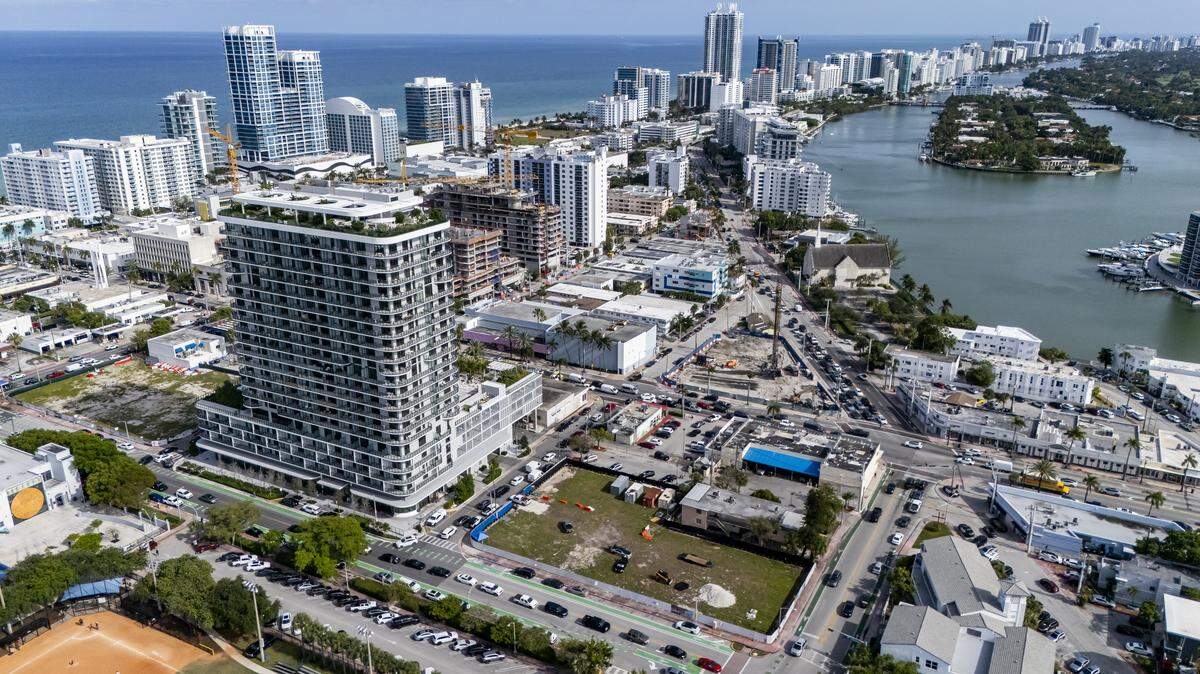
The growing challenge surrounding Florida’s Live Local Act is becoming clear in communities like mine, where local governments are increasingly struggling to withstand developer litigation pressure and apply the tools they still have.
The law was passed in 2023 in response to a housing affordability crisis and an increasingly inconsistent local approval system that, across Florida, had become unpredictable, politicized and difficult to navigate. Workforce housing projects were often delayed for years through shifting requirements, negotiated exceptions, selective approvals and local processes that varied from one municipality to another.
The intent of the law was to create a more uniform and predictable framework for housing development while preserving local protections related to infrastructure, resiliency, life safety and community character. The law allows developers, in certain cases, to bypass local limits on density and height if they build multifamily or mixed-use projects where 40% of units are designated for workforce housing for residents making up to 120% of the local area median income.
The goal was not to eliminate oversight. The goal was to prevent arbitrary processes that made housing production increasingly difficult across Florida. But what we are seeing in South Florida is a growing pattern where developers use the threat of lawsuits to pressure local governments into approving projects. Local officials too often negotiate, cave or apply the law inconsistently out of fear of legal exposure.
That was not the intent of the law. But it is the reality on the ground. Because of that, I plan to revisit aspects of Live Local next legislative session to clarify the law, close gaps and ensure it functions as originally intended. The principle is simple: Growth must pay for growth.
Florida once tied development to infrastructure capacity through concurrency standards. Over time, local governments were given more flexibility in how those standards were applied. That flexibility came with responsibility, and in too many cases local governments failed to use the tools they still possess.
During the legislative process, I pushed aggressively for modifications that recognized realities in districts like mine, which includes communities like Miami Beach that are built out, environmentally sensitive, historically significant and under real infrastructure strain. I fought for guardrails, exemptions and tools that preserved local oversight. Those protections were critical because South Florida is not monolithic, and legislation affecting growth cannot treat every community the same way.
Even under Live Local, projects still require government approval. Cities still control site plans, permitting, infrastructure reviews, drainage requirements, resiliency standards, inspections and public safety compliance. Impact fees still exist, and they matter. Impact fees are meant to ensure development contributes to the infrastructure it requires: roads, drainage, utilities, parks, police, and fire services. In many communities, those fees have not been updated in decades. Residents are increasingly frustrated because they feel they are subsidizing growth while infrastructure struggles to keep up.
Much of the overdevelopment people oppose today also predates Live Local entirely. That distinction matters. Governments approve projects, not developers. If projects are being approved without proper scrutiny, if infrastructure capacity is ignored or if long term impacts are ignored, that is not simply a developer issue. It is a governance issue.
At the same time, we also cannot ignore reality. Florida needs workforce housing. You cannot demand affordability while rejecting mechanisms that increase housing supply. What concerns me is the growing gap between the law’s intent and implementation. That gap creates confusion, inconsistent enforcement and increased litigation pressure on local governments. That is where reform is needed.
Next session, I will pursue targeted changes focused on three areas: reinforcing infrastructure accountability, clarifying how local governments can apply existing planning and resiliency standards and reducing the ambiguity fueling excessive litigation and backroom negotiation. The goal is responsible growth with transparency and infrastructure capacity.
Live Local’s intention and application should have been to help working families remain in Florida communities they can no longer afford. My goal is to reinforce that Florida can support housing affordability while demanding accountability from both developers and government, without placing the burden of subsidizing growth on residents, renters and businesses.
Fabián Basabe, a Republican, represents Florida House District 106, which includes Miami Beach and several coastal communities in northeastern Miami-Dade County.
This story was originally published May 7, 2026 at 2:47 PM.