
Want a resilient South Florida? Start with the Everglades, then your front yard | Opinion
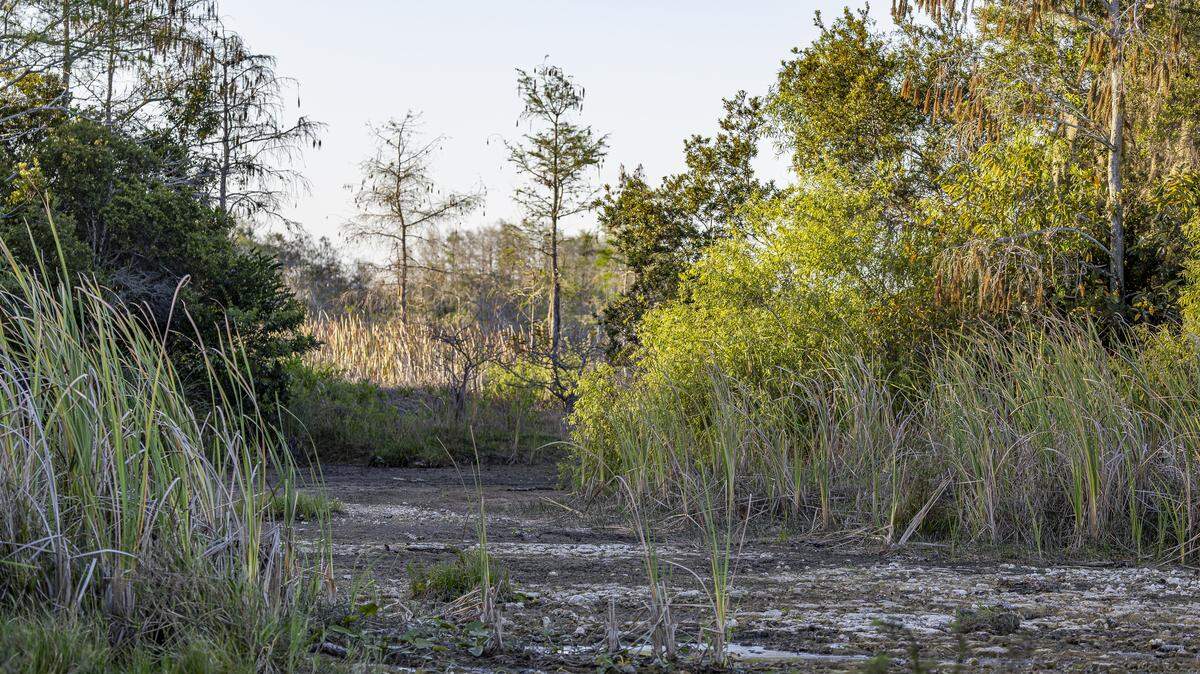
I love a bright bluebird day. The kind of day we welcome in South Florida’s dry season, when we get a reprieve from the summer’s rolling thunderstorms. But this year, as we near the end of the dry season, I find myself hoping to open the curtains and be greeted by clouds dark with the promise of much-needed rain.
Florida is in a serious drought. Why?
The 2025-2026 drought is not solely the result of a drier-than-average dry season. It’s a warning sign about the limits of how we’ve managed water in South Florida for decades. Our system was designed with a presumption of abundance, prioritizing draining of the landscape to enable development and protect that development from flooding.
That approach can work well in wet years but leaves us vulnerable when the rains fail like this year. The Everglades, once a vast, slow-moving river that stored, filtered, and distributed water across the region, has been fragmented and diminished, further reducing our ability to appropriately manage water.
To better weather droughts like this one in the future, we must act on two fronts: large-scale wetland restoration to hold onto more water, losing less to tide, and smarter water use to be better stewards of the water we have.
Projects under the Comprehensive Everglades Restoration Plan, including new reservoirs in the Everglades Agricultural Area, offer real hope for large-scale wetland restoration. These initiatives capture and store water during the wet season so it can be released during dry periods. Accelerating these efforts and protecting remaining wetlands must remain a top priority at every level of government.
Yet systematic solutions will fall short without changes at the community level. The biggest opportunity for immediate savings lies in our own yards. South Floridians use enormous amounts of water to maintain lush green lawns — as outdated a standard as the “drain the Everglades” practice of the early 1900’s.
Sod is often the single largest use of household water, reaching 40% to 60% of total residential water use in many Florida communities. Much of this water demand is driven by our landscape choices, particularly the widespread use of turf grasses and other high-water-use plants that require consistent irrigation to survive. That water is pulled from the same aquifers that supply our drinking water and help sustain natural systems. This practice is unsustainable.
How can we fix it?
Replacing thirsty turf grass with native vegetation is one of the simplest steps we can take to protect the Everglades and guard our water supply. Native vegetation is built for drought and once established, can survive without supplemental irrigation. For what sod remains, we must normalize the use of soil-moisture sensing irrigation controllers that skip watering during rain events or peak evaporation times to help us more appropriately manage our individual water use.
We also need regulators to modernize Florida’s policies to incentivize these choices. Florida’s consumptive use permitting system still often assumes high irrigation demand in new developments, effectively locking in excessive water use for decades. Updating these permits to reflect lower, more realistic irrigation needs, along with incentivizing native and drought-tolerant landscaping, would be a game changer. Give new developments less water to start with, base their needs on realistic landscaping instead of thirsty lawns, and reward designs that use less water — so we avoid creating unnecessary demand in the first place.
When thousands of households conserve, meaningful volumes of water stay in the aquifer and can reach the Everglades.
The rains will eventually return. The real question is whether we will meet them with better infrastructure and wiser habits. By thinking creatively about water, from regional restoration to backyard choices, we can build a more resilient South Florida. Until then, I will keep a watchful eye trained on the horizon, waiting for the first storms to roll in welcoming the start of the rainy season.
McKee Gray is senior manager for Everglades policy with Audubon Florida. Prior to joining Audubon Florida, McKee was the chief of the natural resources division for Miami-Dade County’s Department of Regulatory and Economic Resources.