
Dancing and raving for 20 more years: City should extend Ultra’s Miami contract | Opinion
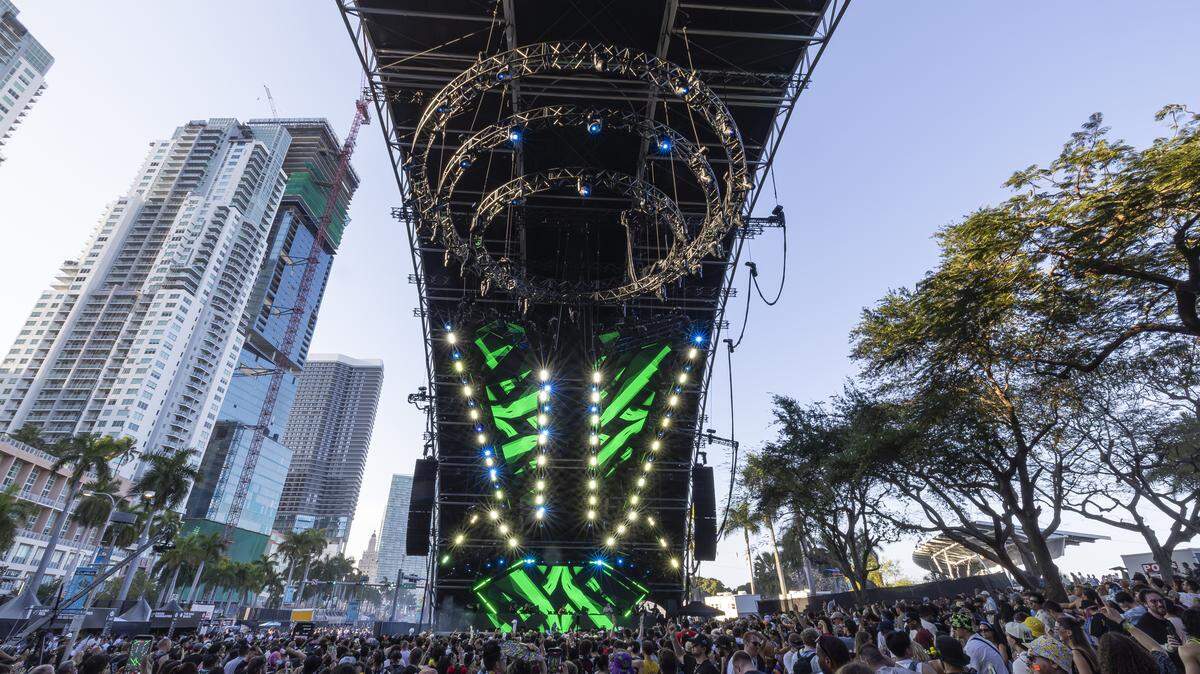
The proposed 20-year extension of the contract between the city of Miami and the Ultra Music Festival’s organizers would mean the three-day festival stays at Bayfront Park in downtown Miami when the current contract ends next year.
Twenty years sounds like a long time on paper, but the new contract, which is up for a vote at the Miami commission meeting on April 23, is really a year-to-year contract. Why? Because it contains a termination-for-convenience clause.
Terminating for convenience would require a super-majority vote by the commission. If that happened, Ultra would have one year left on the contract after termination. The city also can terminate for cause if Ultra fails to comply with the terms of the new contract.
I recently spoke in favor of Ultra at a well-attended community meeting organized by Commissioners Miguel Gabela and Damian Pardo on April 2 at Miami-Dade College, a few blocks from Bayfront Park, Ultra’s home since 2001.
The auditorium was filled with local residents who generally seemed in favor of Ultra’s continued presence in Miami. The handful of objectors spoke about issues that can be easily addressed by the city and Ultra’s organizers. The biggest concern was noise followed by the length of time the park was closed to accommodate the festival.
Ultra, which features electronic dance music, or EDM, has worldwide value. Locally, Ultra’s organizers say they commissioned a 2024 economic impact study that shows their three-day festival has over $207 million in direct local economic impact.
Ask any resident from South Beach to Fort Lauderdale and you will hear that Ultra and its sibling Miami Music Week bring heavy spending tourists to South Florida.
The most directly impacted residents near Bayfront Park who spoke on April 2 talked about noise levels improving over the years, safety improvements, traffic improvements and Bayfront Park access issues.
While I do not live in Miami, the city’s decisions about Ultra impact me and every other South Florida resident. Ultra reaches around the world. The three-day festival’s impact can be seen through all the posts on social media platforms like Instagram, TikTok and YouTube — free advertising for the festival and Miami.
It’s important to note that Ultra pays a license fee to the city of Miami every year. The new contract starts at $2.3 million a year for a three-day festival.
It’s also worth noting that Ultra’s neighbor one block north on Biscayne Boulevard, the Kaseya Center, which is operated by the Miami Heat year-round, receives millions of dollars from Miami-Dade County’s taxpayers to run the county-owned arena. The Miami Heat’s arrangement with the county has drawn intense criticism over the years related to a county-paid subsidy to the Heat of at least $6.4 million a year, though the team donates $1 million of that to the county parks department.
So we have Ultra contributing over $2.3 million annually to the city for a three-day event — but its year-round neighbor to the north receives over $5 million annually from the county.
Based on that math alone, the city has a great deal with Ultra’s organizers. I encourage the city commission to approve the Ultra contract for the benefit of the city and the entire county for years to come.
Rafael A. Yániz is the Founder of Invisible Dots Legal PA. He is a healthcare, technology and entertainment attorney and a fan of electronic dance music.