
From scarcity to strength: How Latin America is building its own vaccine supply | Opinion
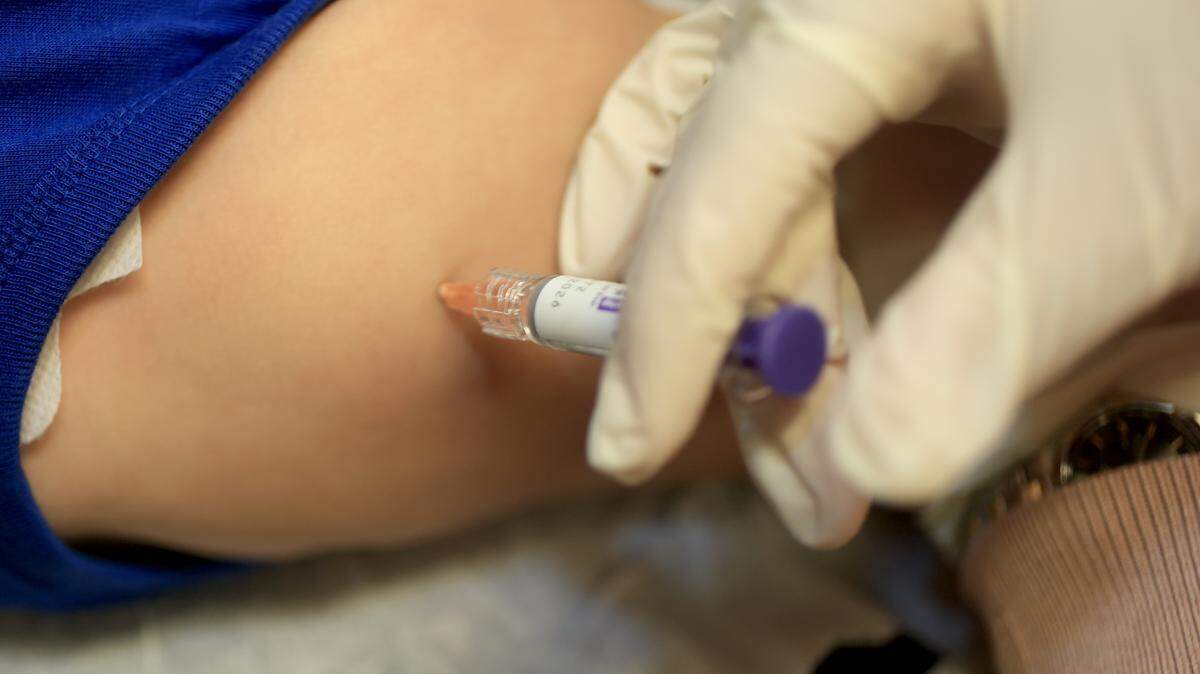
The images from 2021 remain vivid: long lines of people across Latin America waiting for COVID-19 vaccines that arrived slowly and unpredictably, while wealthier nations secured abundant supplies.
The pandemic not only took millions of lives, it also exposed a stark vulnerability: our region’s dependence on external manufacturers and our limited leverage when global competition favors greater purchasing power.
As director of the Pan American Health Organization (PAHO), I have championed a practical response to close this gap: expanding vaccine and health-technology production in the Americas. This is not about every country producing everything. Rather, it is about building strategic capacity where it matters most, so we can respond faster, reduce costs and strengthen health security in a region where threats cross borders.
And progress is real. In 2020, only 1.5% of vaccines purchased through PAHO’s pooled procurement mechanism — the Regional Revolving Funds (RRFs) — came from regional suppliers. By 2025, new agreements ensured that at least 23% of demand was met by producers in the Americas, with negotiations underway to surpass 40%. We are shifting from vulnerability to resilience.
Producing in the Americas means predictability: shorter delivery times, less exposure to global disruptions and faster responses to emerging threats. It builds specialized knowledge, drives innovation, creates jobs, strengthens value chains and reduces environmental impact. Most importantly, it enhances health security. In a crisis, those who control part of the supply chain are better positioned to protect their people without waiting behind the rest of the world.
This transformation is possible in large part because of PAHO’s RRFs, which pool demand from 33 countries and nine territories, provide certainty to manufacturers, facilitate technology transfer and ensure efficient use of resources.
A major milestone is the 20-valent pneumococcal conjugate vaccine (PCV-20). Through an agreement between PAHO, Pfizer and Argentina’s Sinergium Biotech, this complex vaccine will be produced in Argentina and available to the region by 2026, giving middle-income countries earlier access to cutting-edge technology.
The shift in influenza vaccines is even more striking. Until 2025, only about 10% of RRF influenza purchases came from regional producers. By 2026, that figure will reach 65%, thanks to Sinergium Biotech and Brazil’s Butantan Institute. Argentina alone increased its share of regional supply from 8% to 50% while reducing unit prices by 15%.
In March, PAHO also signed an agreement with CSL Seqirus and Sinergium to transfer cell-culture technology for influenza vaccines, a leap that offers greater flexibility, scalability and speed in responding to new strains. By 2028, this platform will be operational, positioning Argentina as a regional producer with export potential of up to $250 million annually.
None of this is possible without a strong ecosystem: robust regulatory authorities, coherent industrial policies, specialized human capital and stable incentives that attract long-term investment, areas where PAHO continues to play a pivotal role.
The evidence is clear. Countries that invested in these capabilities built lasting biotechnological strength. In 2025 alone, the RRFs delivered 234 million doses of vaccines and other strategic supplies benefiting 85 million people. Prices were, on average, 50% lower for vaccines and 60–90% more affordable for high-cost medicines, including cancer therapies.
In just two years, PAHO has shown that this model works. We began with vaccines because they are essential in health emergencies and because regional demand allows us to scale quickly. But imagine applying the same commitment to advanced diagnostics, strategic medicines and essential medical devices. The Americas already have the market size, expertise and institutional frameworks to become a world-class production hub.
That is why I call on governments, industry and development partners to bolster collaboration through technology transfer, co-development, and shared investment. This approach will allow the region to engage with the world from a position of strength, sovereignty and mutual benefit.
Jarbas Barbosa is a public health expert from Brazil currently serving as the director of the Pan American Health Organization and regional director for the Americas of the World Health Organization.