
The equality that was achieved in Cuba — and the inequality that returned | Opinion
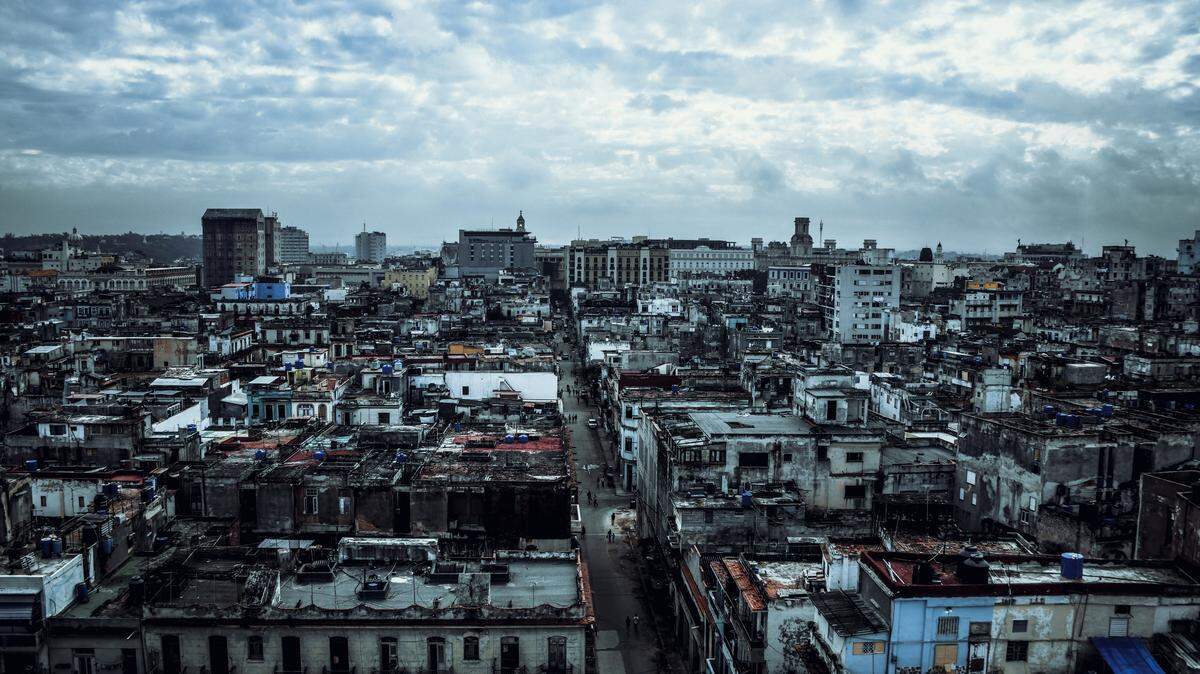
In Cuba, the promise of racial equality after the 1959 revolution has, over time, given way to a new inequality shaped not by law, but by access to capital, migration and the weight of the diaspora.
Before 1959, racism in Cuba was real and visible. Black and mixed-race Cubans faced concrete social and economic barriers, with fewer opportunities and limited upward mobility. That is part of the country’s history.
The Cuban Revolution changed much of that. It dismantled legal discrimination and expanded access to education, healthcare and professional life. Many Afro-descendant Cubans became doctors, teachers, scientists and public officials. For a time, there was real progress, and it would be dishonest to deny it.
But history does not stand still. Over the decades, it became clear that while formal barriers had been removed, deeper inequalities had not fully disappeared. Then migration reshaped the country in ways that still define it today.
The first major wave of Cubans leaving after the revolution was largely composed of the upper class, people with property, capital and the ability to leave quickly. Later came the middle class, including those who departed through Boca de Camarioca in 1965. In both waves, migration was disproportionately white.
That fact now carries economic consequences.
Much of the capital driving Cuba’s emerging private sector comes from the diaspora. Remittances, family financing and external support have become essential for economic mobility. But access to those networks is not evenly distributed.
According to official Cuban census data, Afro-descendant Cubans represent a significant portion of the population, likely more than official figures suggest. Yet access to capital does not reflect that reality.
Today, a pattern is visible. Those with access to capital tend to own, invest and expand. Those without it are more often employees, frequently in lower-paying roles. Afro-descendant Cubans remain underrepresented in ownership and wealth formation and overrepresented in more vulnerable positions.
This is not the result of policy. It is the result of unequal starting conditions.
The legal barriers of the past have been replaced by a new one: access to capital. And in today’s Cuba, capital often flows through diaspora connections shaped by migration history.
This reality becomes critical as discussions about Cuba’s future intensify. If the country moves toward a transition, inequality will not correct itself. It will deepen.
Afro-descendant Cubans, who once saw meaningful social mobility, risk being left behind again, this time through the silent mechanics of capital, ownership and opportunity.
Recognizing the problem is not enough. We must build the instruments to address it.
That means creating a structured national and diaspora-backed fund designed to expand access to capital for historically disadvantaged sectors, particularly Afro-descendant Cubans. It must be real, professionally managed and built with scale.
Such a fund could combine private investment, diaspora contributions and international partnerships. It could provide microcredit, low-interest loans, seed capital and growth financing, along with credit guarantees, matching funds and equity participation.
The goal is not just survival. It is ownership.
Without access to capital, participation remains limited. Without ownership, inclusion is fragile. Any serious effort must also include training, financial literacy and technical support to ensure that access to capital leads to sustainability and long-term wealth creation. Otherwise, the market will continue to reproduce inequality, concentrating opportunity in the hands of those who already start ahead.
This is not about blame. It is about reality. If Cuba is to move toward a more open future, it cannot assume that the market alone will correct inherited inequalities. It will not.
Equality is not a permanent achievement. It is a balance that must be protected and rebuilt.
In Cuba today, that balance is breaking again. And if those shaping the country’s future fail to take this into account, one of the most important communities in the nation will once again be left behind at the moment when the future is being decided.
Hugo Cancio is an entrepreneur and investor focused on building platforms that connect the Cuban diaspora with the island’s emerging economy. He is the founder and CEO of Katapulk Marketplace, a company that facilitates the delivery of goods to families in Cuba.
EDITOR’S NOTE: A license held by Katapulk Marketplace to export vehicles to Cuba was revoked last year for exceeding volume thresholds, after the company disclosed the information to the U.S. government. The company was not subject to any penalty or enforcement action, continues to operate under other licenses and has been permitted to reapply for vehicle export authorization, Hugo Cancio said.