
Miami Beach finally turned the page on Spring Break chaos. This is how | Opinion
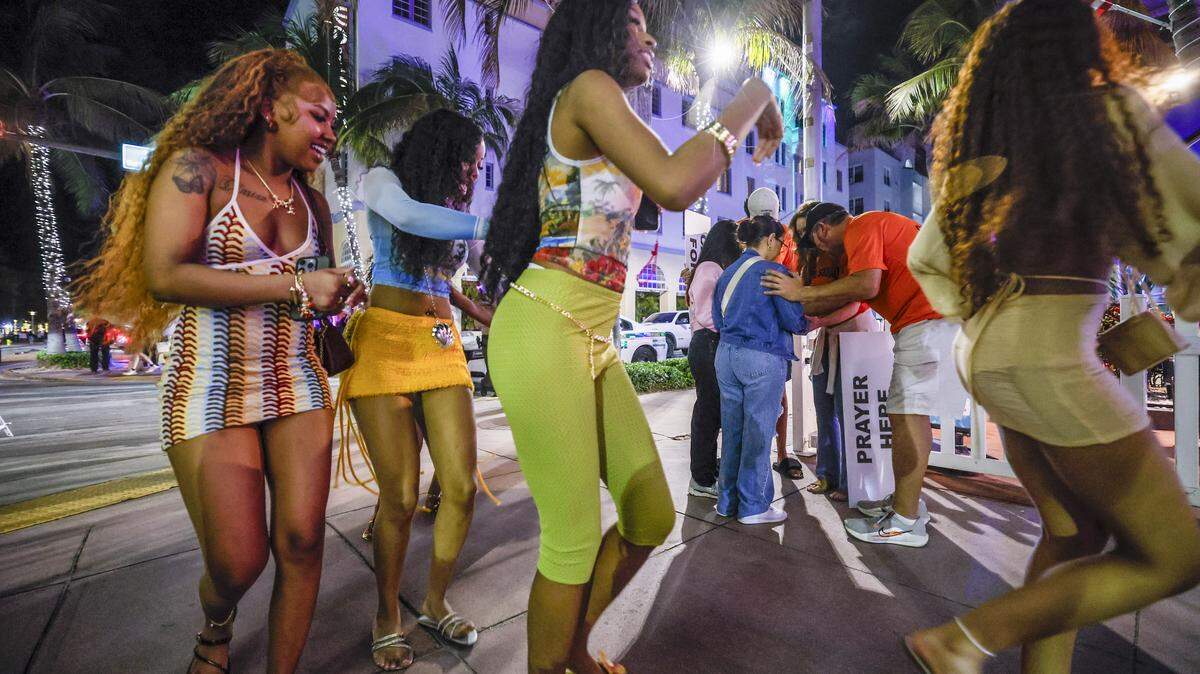
The Miami Herald recently asked whether Miami Beach spring break has finally become “a thing of the past.” After three years of calm, orderly crowds, strong hotel performance and no major incidents, the question is understandable. But it misses the real story — how Miami Beach turned the page, together.
By 2023, Miami Beach had reached a breaking point.
Spring break had become synonymous with chaos — 16 stampedes and 33 shootings since 2012. Businesses were struggling, employees were afraid to come to work and residents were losing their sense of safety.
Traditional approaches had failed. The city was spending more than $3 million on programming, with little effect. A proposed 2 a.m. alcohol curfew in South Beach was struck down in court. Defiant crowds outnumbered police officers working Alpha/Bravo shifts.
Something had to change — and quickly.
In the immediate aftermath of the 2023 season, I worked to bring the business community together with a shared understanding that continuing on the same path was not sustainable.
For many, it was the first time they were truly engaged as partners in shaping solutions — and from those conversations came the idea of proactively endorsing curfews a year ahead of spring break. I brought that proposal forward to the City Commission and led its approval.
That early consensus laid the groundwork for broader measures — including $100 parking fees and an early communication strategy to deter dangerous behavior.
From the public sector, it took political courage to adopt unpopular restrictions — with a commitment they would not become permanent. From the business community, it required a leap of faith to support stricter policies despite short-term uncertainty, in order to restore long-term stability.
That trust and diplomacy became the foundation for everything that followed — and from there, we built a strategy that worked.
Building on that foundation, Mayor Steven Meiner introduced a comprehensive 14-point plan that built on the marketing campaign, parking measures and endorsed curfews previously approved by the Commission — while coordinating with the governor’s office, Florida Highway Patrol and neighboring agencies.
In 2024 and 2025, the results were clear — the city felt safer, but also more shut down. Access to parking was limited, streets were barricaded, sidewalk cafés were closed and access to the city was challenging.
As progress became evident, we acted on our promises — because success was never meant to be measured by restrictions and closures.
After two years of improvement, I convened a Public Safety Committee sunshine meeting to propose recommendations adopted by the City Commission that eased parking restrictions, removed barricades, kept sidewalk cafés open and adjusted causeway lane reduction hours — while preserving the full set of public safety tools if needed.
At the same time, the focus expanded beyond nighttime enforcement to daytime activation.
Commissioners Joseph Magazine and David Suarez led daytime programming, including major events centered on fitness and financial services — reshaping the city’s energy and bringing a renewed focus on healthy, daytime experiences.
Equally important, Commissioner Laura Dominguez’s spring break citizen advisory subcommittee and Commissioner Tanya K. Bhatt’s engagement with the Black Affairs Committee and Goodwill Ambassadors strengthened trust and diplomacy across the community.
That work mattered.
By the end of the fourth spring break weekend this year, nearly 3.91 million vehicles had crossed our causeways, including a 5.8% increase on the MacArthur Causeway according to the city’s Transportation and Mobility Department. Hotel occupancy averaged 86%, peaking near 90%, with daily rates up each week, topping out at roughly 24%, based on data from the Miami Beach Visitors and Convention Authority.
Most importantly, public safety outcomes improved significantly. By the end of spring break this Sunday, citywide arrests declined 14%, firearms recovered decreased 8%, and spring break zone arrests dropped 24%, according to Miami Beach Police.
But there is still work to be done — guided by listening.
Each year since 2023, I’ve convened community hearings to evaluate what worked, what didn’t and how to improve. That feedback continues to guide the path forward.
Miami Beach’s turnaround was not the result of any one policy, but of collaboration and the discipline to keep our word. Trust and diplomacy made that possible.
This is the beginning of something better.
Miami Beach Commissioner Alex Fernandez is chair of the city’s Public Safety and Neighborhood Quality of Life Committee.