
This Passover, we ask: Who else in South Florida needs a place to belong? | Opinion
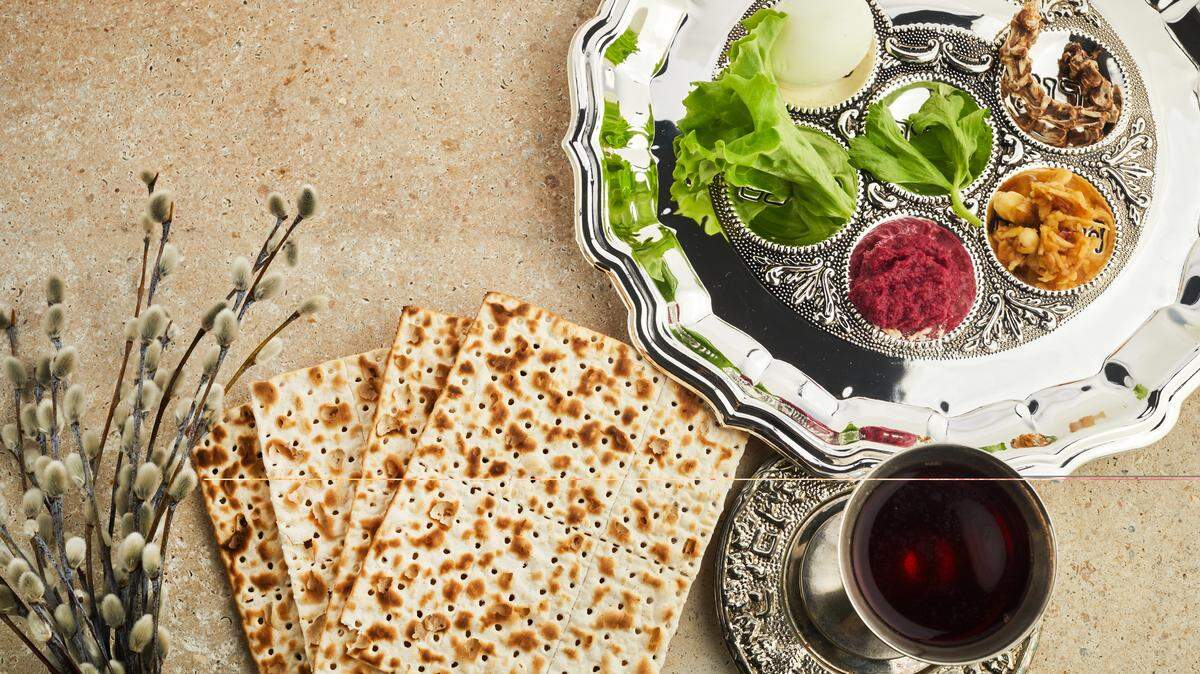
The Passover Seder begins with questions — questions about why this night is different, why we do what we do and what it all means. Often, it is the child who asks them. But the power of the Seder is not only in the questions recited, it’s in the ones it leaves us to confront.
Passover, which runs April 1-9, tells the story of a people who endured deep collective trauma and refused to accept suffering as the end of the story. It’s a story of moving from fear to freedom, from instability to belonging. It reminds us that even in the darkest moments, there is a path forward.
I have the privilege of working at JAFCO’s Jewish Children’s Village, where children who have experienced abuse and neglect are cared for within a community grounded in values, tradition and belonging.
At JAFCO, the story of Passover is not just remembered. It is lived.
As families gather around their Seder tables, we must recognize not every child is sitting in a place of safety, surrounded by love. This Passover, at our Village, children who have experienced abuse and neglect will sit down for a Seder.
They will ask the Four Questions. They will taste the bitterness of maror and sweetness of charoset. They will take part in a tradition telling them something essential: Hardship is not the end of their story, and there is a future beyond what they have known. Perhaps without saying it out loud, they begin to ask a deeper question: What might be possible from here?
The Haggadah sounds different here. When a child feels safe and cared for at that table, when siblings who have been through more than most adults will ever know sit side-by-side, when they can connect their own story to an ancient one, when freedom becomes something they can feel, not just recite, something shifts in the room. They are not just remembering a story, they are finding the place they belong.
For every child we can reach, there are others we have not yet found. Children in our own communities living with fear, instability and neglect, often hidden in plain sight. Their stories are quieter, less visible and often go unnoticed until it is too late.
The question is not whether these children exist. It is whether we are willing to see them and what we are prepared to do when we do. It is far easier to believe these situations exist somewhere else, in someone else’s community. But they do not.
The Haggadah opens with an invitation: “Let all who are in need come and join us.” It is easy to read that line as symbolic. But it is more than symbolic. It is a directive. A call to widen our tables, to expand our definition of family and to take responsibility not only for our own children, but for all children who need us.
Because the responsibility to protect children does not belong to one organization, one system or one group alone. It belongs to all of us. It does not matter which faith, which level of observance or which holidays we call “special.” The protection of children is a shared responsibility transcending all of it.
Freedom, as we celebrate it on Passover, is not just something we remember. It’s something we are responsible for creating. That responsibility can take many forms: paying closer attention, speaking up when something feels wrong, supporting systems and organizations that step in when families cannot do it alone. It means recognizing a strong community is not defined by what it celebrates, but by how it protects its most vulnerable.
This Passover, as we sit around our tables and retell the Passover story, we might consider adding one more question: Who else needs a place to belong?
At JAFCO, we work to answer that question every day. As a community, we can ensure more children find their way to safety, belonging and a future that feels possible.
Justin Kohlhagen is the CEO of JAFCO, a non-profit organization in South Florida dedicated to providing care, safety, and support to children and families impacted by abuse, neglect, trauma or developmental disabilities. Learn more at jafco.org.