
International Women’s Day: Support for Haiti must focus on the security of women | Opinion
March 8, which is International Women’s Day, calls us to reflect on the historical debts of equality and dignity in our region. In this context, looking toward Haiti is inescapable.
The Haitian Revolution was a pioneer in asserting the universality of human dignity. By defining slavery as a crime and abolishing it, Haiti’s Declaration of Independence in 1804 made the nation the first in the world to legislate democratic freedom for all human beings. However, today that promise is fading for millions of women, girls and adolescents facing an unprecedented multidimensional crisis.
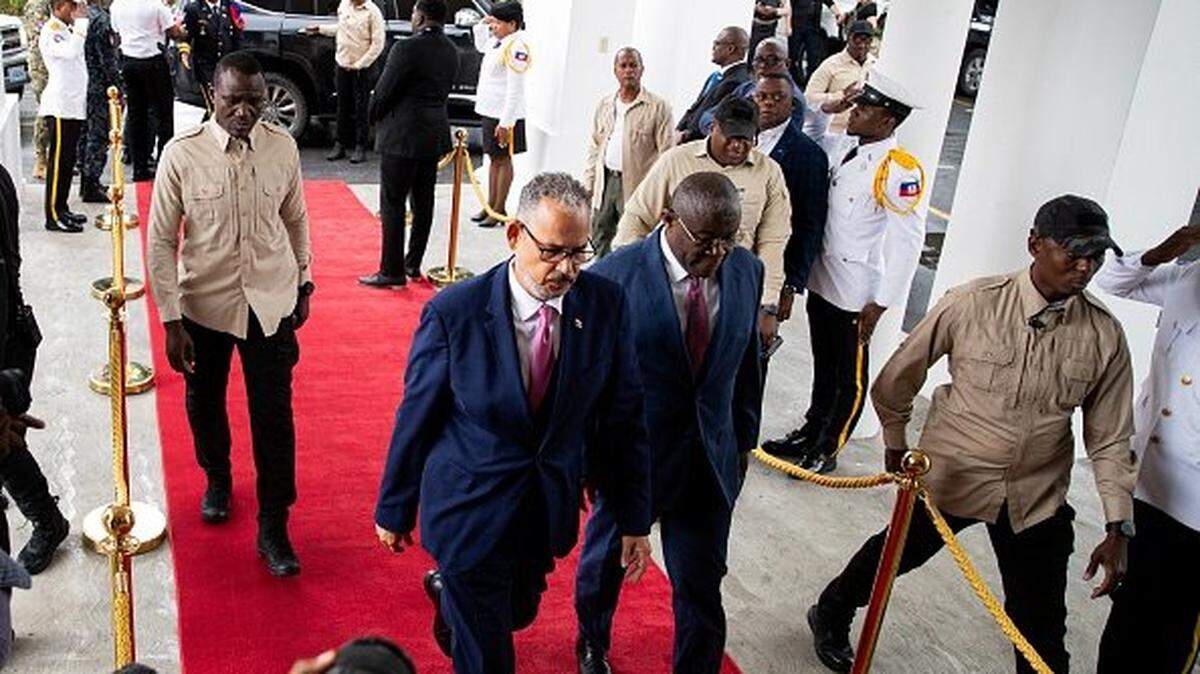
Haiti is traversing a period of critical institutional fragility. The Transitional Presidential Council concluded its mandate Feb. 7 without holding elections, transferring executive authority to the cabinet of ministers under the leadership of Prime Minister Alix Didier Fils-Aimé. While efforts have been made toward institutional normalization, persistent insecurity and limited state presence have directly impacted the population’s fundamental rights. In this scenario of collapse, women are the ones paying the highest price.
Gender-based violence in Haiti is not a side effect of the crisis, but a tool for territorial control. Recent reports account for profound alarm over the use of collective rape and sexual slavery by armed groups, acts that frequently occur in broad daylight. This violence is fueled by systemic impunity within a justice system lacking resources and security, which cannot offer protection or reparation to victims.
Added to physical insecurity is a humanitarian and climate emergency. Haiti’s vulnerability to climate change is extreme due to its geographic location, deforestation and soil degradation, factors aggravated by high poverty rates and political instability. These effects manifest in natural disasters and displacements affecting more than 1.4 million people, while 5.7 million face acute hunger.
READ MORE: Haiti’s Lost Generation
In this environment, women, girls and adolescents face enormous barriers to accessing basic services, such as medical care and reproductive health services, further worsening their context of vulnerability.
This March 8, the call from the Inter-American Commission on Human Rights (IACHR) is clear: Support for Haiti must not be seen solely as an act of humanitarian assistance, but as an imperative of justice. The international community has the responsibility to consider the historical causes of this inequality and collaborate in rebuilding a democratic governance that places the security of women at the center.
Haiti’s history is one of resilience and courage. Honoring that legacy today means ensuring that Haitian women, girls and adolescents can exercise their right to live without fear, to participate in political life and to lead the future of their nation.
Marion Bethel is a commissioner and Rapporteur on the Rights of Women at the Inter-American Commission on Human Rights. She served as an expert member of the UN Committee on the Elimination of Discrimination against Women from 2017 to 2024.