
Florida’s lawmakers want to ban more books. Here’s why they should stop | Opinion
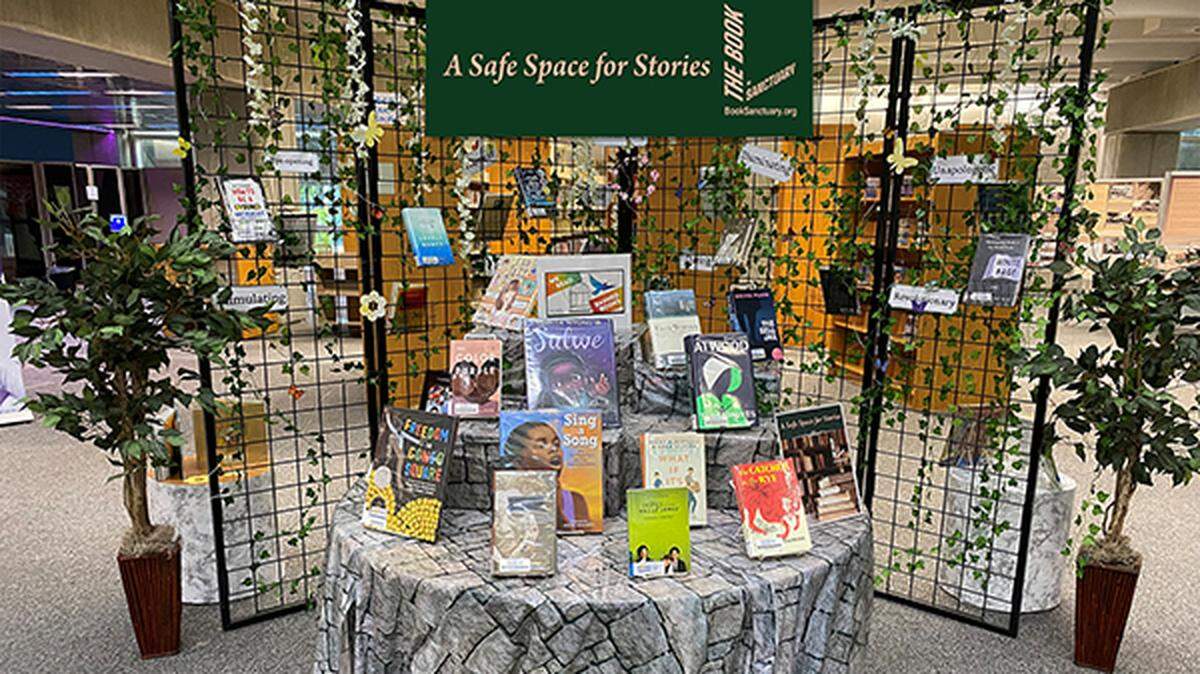
Once again, Florida lawmakers have decided that books are the enemy.
This legislative session, two bills moving through Tallahassee, HB 1119 and HB 1071, aim to ramp up Florida’s already disastrous book bans. If passed, they will make it easier to remove books from public schools, but a lot harder for educators to defend the freedom to read. Instead of nurturing young minds, these bills will undermine important growth.
Florida leads the nation in school book bans. Nearly 9,000 titles have vanished from classrooms and libraries since 2021, according to PEN America. That number should alarm anyone who believes in the value of a good education. At this point, so many books have been removed that Florida students might soon need permission slips to read the backs of cereal boxes. If kids can’t read, how can we expect them to learn anything?
As an author myself, I’m proud that I grew up in Florida and had teachers who nurtured my love of literature. But HB 1119 could prevent school districts from considering a book’s literary, artistic or historical value when deciding whether it belongs in a school library.
Essentially, lawmakers want educators to judge books without considering their cultural impact. The kind of enrichment I found in books will be lacking for future generations, likely putting their intellectual development at risk.
This change would also gut long-standing First Amendment standards that require courts and schools to consider the whole of the work. Districts could face pressure to ban items based on passages that are pulled out of context. Books that stimulate minds will instead become props and weapons, waved around at school board meetings, with clips later posted on social media for maximum outrage.
School districts already remove books preemptively to avoid lawsuits. These bills could turn that fear-mongering into official state policy. HB 1071 goes further by allowing the state to remove all of a publisher’s materials if even a single book is found to violate the state’s rules on what’s “allowed.” That means a single challenged novel could clear out thousands of other books.
As a lifelong Florida resident and a fervent reader, I understand how stories shape the world around us. Access to books allowed me to cultivate empathy and curiosity. They showed me the importance of resilience and helped me navigate difficult times. Even when I was at my loneliest, libraries were there for me. It’s safe to say that without access to books, I wouldn’t be here today.
We already know what happens when Florida passes vague censorship laws. When a federal judge struck down parts of a book-banning statute in 2023 for violating the First Amendment, the ruling did not slow lawmakers down. And this new slate of proposed legislation pushes even harder.
According to PEN America’s latest report on national book bans, the books most often removed from Florida schools feature LGBTQ people, communities of color, immigrants and any group that challenges the status quo. Lawmakers don’t target books because they harm children; they target books because they complicate easy narratives. These works encourage readers to have an open mind so they can learn about people who are different from them. They teach young people to treat others with care and respect.
Proponents of these bills say they want to protect kids. Most parents want that, too. But protection does not mean isolating or shielding them from conflict, difference and complexity. Children will inevitably be confused when the world around them does not cater to the false narratives they’ve been fed. Florida is a blooming, beautiful, wild and wonderful place. We contain multitudes; our access to literature should mimic that diversity.
Florida lawmakers face a choice. They can escalate censorship, drain schools of resources and divide communities. Or they can champion educators, trust parents and let students have access to books. They can nurture positive development that benefits children’s growth.
Isn’t that what we all want for Florida?
Kristen Arnett is the New York Times bestselling author of three novels. She studied library and information science at Florida State University and is a lifelong Floridian.
.