
During World Cup, other big events in Miami-Dade, unite to fight human trafficking | Opinion
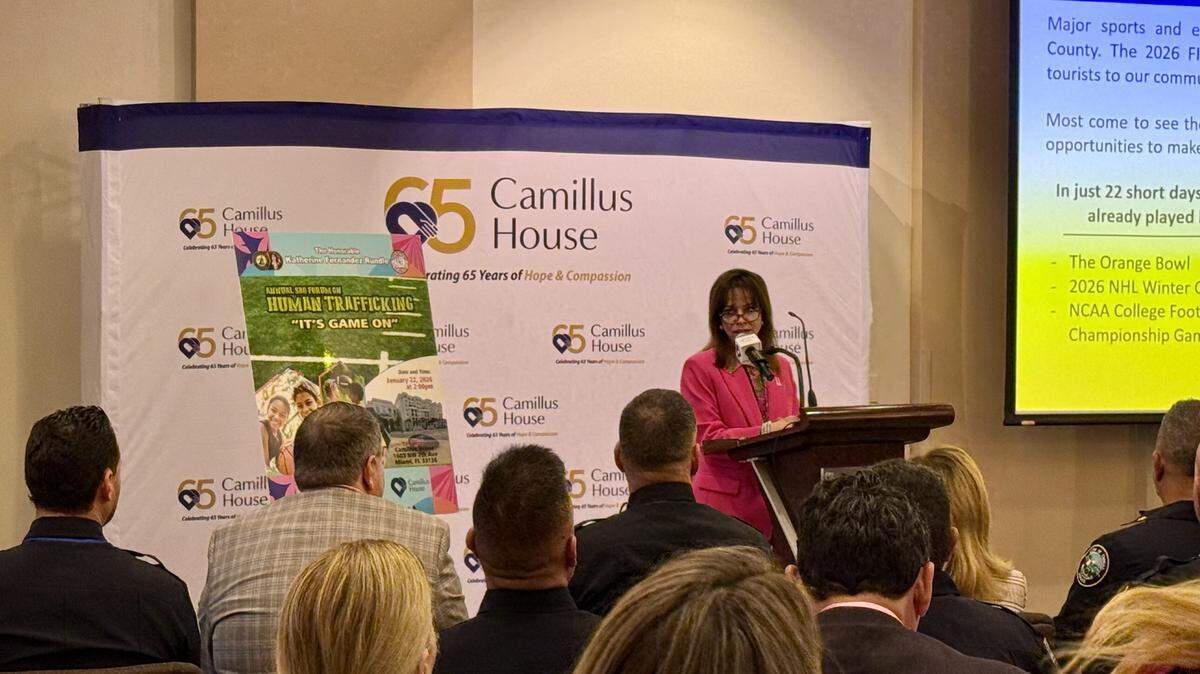
Human trafficking is a grave crime against human dignity and a reality that affects communities around the world, including our county. As the commissioner for Miami-Dade’s District 13 and a former Florida state senator, I have dedicated years to fostering institutional partnerships and securing resources to strengthen our community’s response and protect victims.
During my time in the Florida Senate, I was among the first lawmakers to create and champion pioneering programs in coordination with Miami-Dade State Attorney Katherine Fernández Rundle and organizations such as Camillus House. These initiatives directed funding toward victim care and recovery, establishing the foundation for a comprehensive, compassionate and effective approach to combat this terrible crime.
It is crucial to understand that human trafficking, whether sexual or labor-related, is not confined to kidnappings, taking victims across borders or organized networks. It also occurs close to home in our community: individuals misled by false job or modeling opportunities, minors coerced into producing sexual content and others subjected to labor or sexual exploitation through threats, debt or psychological coercion. Recognizing these forms and reporting them to authorities is essential.
With major international events approaching, including the FIFA World Cup in Miami starting in June, collaboration between residents and authorities becomes even more important. Large events bring increased visitors and economic activity, which can heighten the vulnerability of at-risk individuals if proactive, coordinated action is not taken.
Warning signs may include people appearing under someone else’s control, showing fear, anxiety or submissiveness, or exhibiting evidence of physical abuse, confinement or labor exploitation.
It is vital that young people and their families discuss these risks and prioritize safety. They should carefully vet any offers of transportation, housing or employment, keep friends or family informed of their plans and whereabouts, and trust their instincts when situations feel unsafe.
Additionally, it is important to know that authorities and the National Human Trafficking Hotline (1-888-373-7888) are always available to provide assistance or report suspicious activity. More information and resources can also be found at humantraffickinghotline.org.
If you encounter a suspicious situation, report it immediately to a local law enforcement agency or the hotline. Community engagement is key to saving lives and protecting those who cannot ask for help themselves.
Recently, I met with the Human Trafficking Coalition, representatives from Miami-Dade Public Schools and the Share Your Heart Foundation to strengthen prevention, education and inter-institutional coordination. These efforts aim to expand awareness programs in schools, improve early detection mechanisms and reinforce support networks for victims, a collaborative approach that underscores our unwavering commitment to the dignity and safety of everyone who lives, works or visits our county.
I encourage residents and visitors alike to stay informed, report suspicious activity and support local initiatives that combat human trafficking. The safety of Miami-Dade County relies on a vigilant, compassionate and committed community.
René García is the Miami-Dade County commissioner for District 13.