
This Chanukah, South Florida’s Holocaust survivors need support, not silence | Opinion
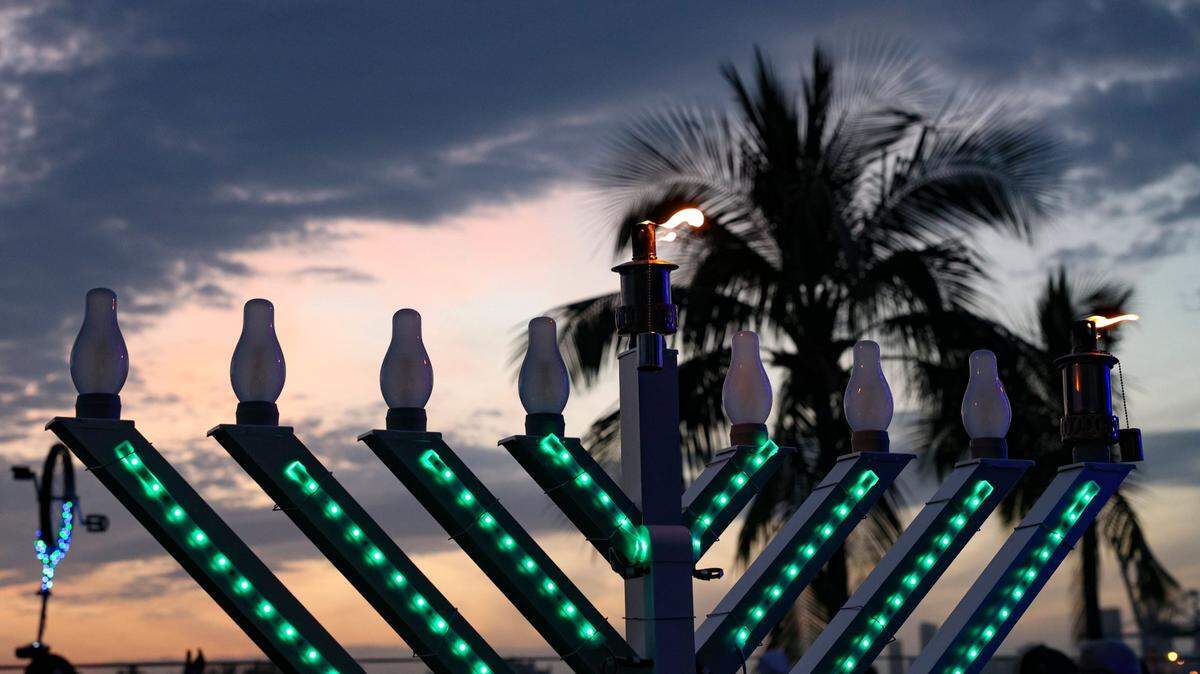
As families across South Florida gather for Chanukah this month, hundreds of Holocaust survivors in Miami and Broward counties are quietly struggling with food, rent and medical bills. Their needs are urgent, and their voices are often unheard.
Approximately 400 Holocaust survivor households are in the Miami–Broward area, most with survivors now in their eighties and nineties. Many are widowed. Many live alone. Many face the long-term physical effects of starvation, forced labor and illness that have grown more severe with age. A global analysis shows that close to 40% of Holocaust survivors live in or near poverty, a reality that often magnifies these challenges.
Their needs show up in daily, practical ways.
The eight candles of the menorah will soon shine a light throughout Jewish homes. Light will shatter the darkness of many people’s lives, providing a sense of joy and hope for those who are suffering.
Survivors in South Florida require assistance with groceries, medication, rent, utilities and transportation to medical appointments. Many rely on home care to cook, bathe, clean or manage mobility. Others cannot afford dental work, hearing aids or medical equipment that would drastically improve their quality of life. Rising living costs in the region make these difficulties even more severe, especially for those living on fixed incomes.
Isolation is another painful burden. Some survivors go days without speaking to anyone. Others have no remaining family at all. The holiday season, which brings memories of loved ones who never returned after the war, can deepen this loneliness. Social visits, holiday deliveries and companionship can be life-changing.
The emotional needs are equally profound. Trauma often resurfaces in later years. Nightmares, anxiety, depression and fear can intensify. Supportive check-ins and consistent care provide stability and reassurance.
While many South Floridians give generously during the holidays, the needs of Holocaust survivors do not end with the last candle of Chanukah. The same challenges remain: groceries they cannot afford, medication they cannot skip, bills they cannot cover and isolation that does not lift on its own.
Chanukah, Dec. 14-22 this year, is marked by adding one candle each night, increasing the light among darkness. For Holocaust survivors in South Florida, that light is not symbolic. It is practical and immediate: help with food, medical care, home assistance and the simple reassurance that their community has not forgotten them.
South Florida has the ability to change the picture. Support can come in many forms, from contributing to programs that provide food, rent and home care to volunteering or visiting a survivor in person. Even one act of kindness can ease the emotional weight survivors carry.
The generation that endured the darkest chapter in history is now in its final years. They rebuilt their lives in this country, raised families, opened businesses and became part of the fabric of Miami and Broward County. They deserve comfort, safety and dignity.
This Chanukah, South Florida has an opportunity to bring real light into their lives. For those who survived the unimaginable, community support can turn a difficult winter into a reminder that they are still seen, valued and cared for.
Masha Pearl is the executive director of The Blue Card, a nonprofit that supports Holocaust survivors, many of whom live under the poverty line.
This story was originally published December 5, 2025 at 6:00 AM.